
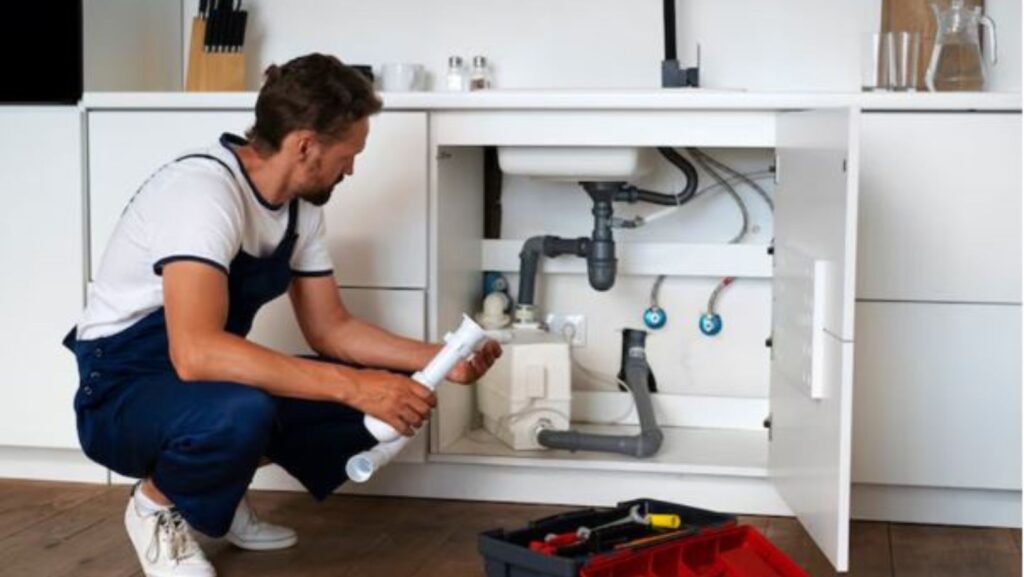
Every commercial building depends on pipes, valves, and fixtures that rarely receive much thought—until a leak shuts down a restaurant’s kitchen or a clogged drain floods an office lobby. Unlike residential properties, commercial sites serve dozens or even thousands of users daily, so even a brief plumbing failure can mean lost revenue, safety hazards, and reputational damage.
The most reliable safeguard is routine service performed by a contractor who specializes in commercial plumbing. Below are three practical reasons this partnership matters for owners and facility managers, followed by a concise takeaway on how preventive care protects both budgets and peace of mind.
Prevent Unplanned Downtime
Hidden corrosion, hairline cracks, or a loose gasket can release hundreds of gallons of water in minutes. In a warehouse, that might halt forklift traffic and damage inventory; in a healthcare clinic, it could interrupt patient care; in a data center, it risks equipment worth millions
. Contractors who focus on commercial systems structure maintenance around predictable intervals—monthly, quarterly, or semiannual visits—so small defects are caught long before they become emergencies:
- Pressure testing reveals failing valves and weak solder joints.
- Camera scoping drains spots early, grease buildup, scale, or invading roots.
- Water heater flushing removes mineral deposits that shorten tank life and spike energy bills.
- Backflow device inspections ensure potable lines remain uncontaminated.
Technicians document every test and repair, building a timeline of system health. That record lets managers schedule targeted pipe replacement during low-occupancy windows instead of scrambling after a sudden rupture. The cost of fixing a minor leak on a quiet Tuesday night is minimal compared with shutting down operations on a busy Friday morning to mop up a flood and replace the damaged drywall.
Click here to learn more about how to prevent frozen pipes
Maintain Compliance and Reduce Liability
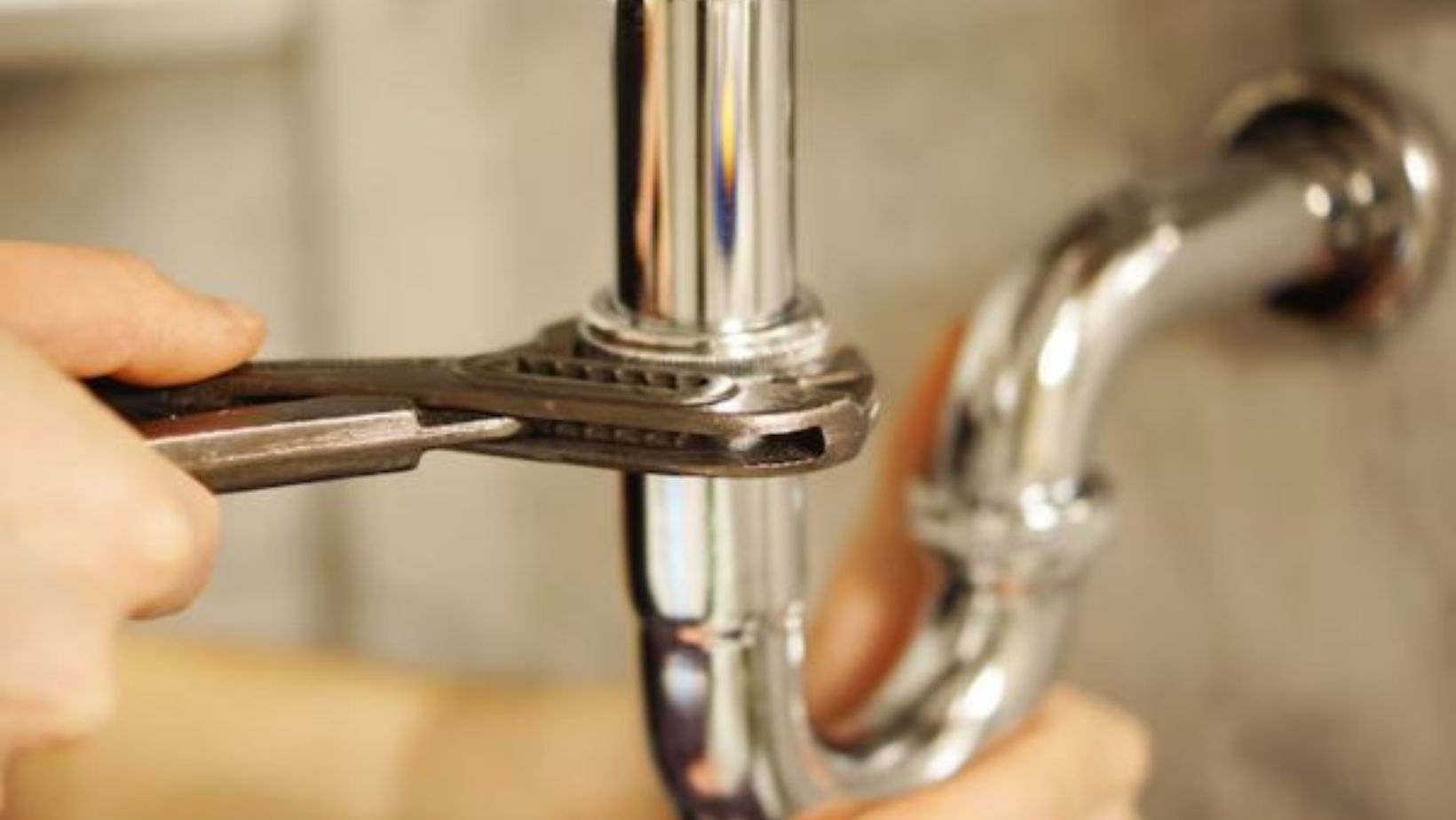
Plumbing codes change as cities adopt new editions of the International Plumbing Code or tighten backflow-prevention rules. Fines for noncompliance arrive fast, and a single failed inspection can trigger daily penalties until corrections are complete. Licensed commercial contractors track these updates for a living. Before any work begins, they:
- Pull the right permits and verify that pipe sizing, fixture counts, and drain slopes meet current regulations.
- Archive inspection reports, digital or paper—so owners have proof of compliance for municipal inspectors or insurance adjusters.
- Test and certify devices such as reduced-pressure zone assemblies and grease interceptors.
Insurance carriers increasingly demand evidence that critical systems receive professional attention. If a claim arises and documentation is missing, coverage may be reduced or denied. A standing maintenance agreement keeps the paperwork current, protecting both occupants and the bottom line.
Visit here: https://en.wikipedia.org/wiki/Plumbing_code to learn more about a plumbing code.
Access Specialized Tools and Expertise
Commercial plumbing is not just residential plumbing on a larger scale—it involves higher pressures, longer runs, and complex equipment:
- Hydro jetting rigs propel water at up to 4,000 psi, scouring grease and scale without chemicals.
- Thermal imaging cameras spot hidden leaks by detecting temperature differences behind walls or under concrete slabs.
- Electronic pipe locators trace buried lines, preventing costly exploratory demolition.
- Pressfit systems create secure joints in copper or stainless pipe within seconds, eliminating firewatch requirements tied to soldering or welding.
Beyond tools, commercial plumbers understand system hydraulics, venting dynamics, and load calculations across multiple floors. When a roof drain backs up during a storm, they track the blockage through vertical stacks to the municipal tie-in, solving the root cause and avoiding repeat callbacks.

Key Takeaway
Routine service by a qualified commercial plumbing contractor shifts building management from reaction to prevention. It reduces surprise shutdowns, keeps properties fully code-compliant, and taps equipment most in-house crews never purchase. Those advantages translate into smaller repair bills, steadier insurance premiums, and uninterrupted day-to-day operations.
As a practical first step, schedule a tailored assessment of your building’s commercial plumbing needs. During a typical walkthrough, technicians log fixture count, record water pressure readings, capture camera footage of drain lines, and draft a maintenance calendar, giving facility managers a clear, data driven roadmap to fewer emergencies and longer lasting infrastructure.
Conclusion
Commercial plumbing systems may be largely invisible, but when they fail, the consequences are nothing but preventive maintenance carried out by a specialized contractor uncovers small issues before they become headline problems, keeps compliance records audit-ready, and applies professional tools that speed repairs and extend system life. In environments where uptime equals revenue and reputation, partnering with an expert is not an extra cost—it is the simplest form of risk management available.