
Table of Contents
ToggleSome of the most expensive water problems originate in places you cannot easily see. A small leak behind a wall can continue for weeks (or even months) before anyone realizes it. By the time visible signs appear, moisture may have already affected drywall, insulation, paint, flooring, and even structural materials.
Water stains, peeling paint, musty odors, and unexplained mold growth can all point to hidden moisture problems, and applying waterproofing paints to properly prepared surfaces can help provide an extra layer of protection against future water intrusion.
Fortunately, homes often provide warning signs before serious damage occurs. Knowing what to look for can help you catch problems early and potentially avoid larger repairs later.
1. A Persistent Musty Smell
If strange odors keep returning despite efforts to eliminate them, moisture may be hiding behind the walls. Water trapped in wall cavities creates an environment where mold and mildew can begin to grow. Even before visible mold appears, those materials can produce odors that spread throughout a room.
Smells often appear long before obvious physical damage becomes visible. This means that if a room consistently smells damp while the source remains difficult to identify, it may be worth investigating further.
2. Paint Begins to Change Appearance
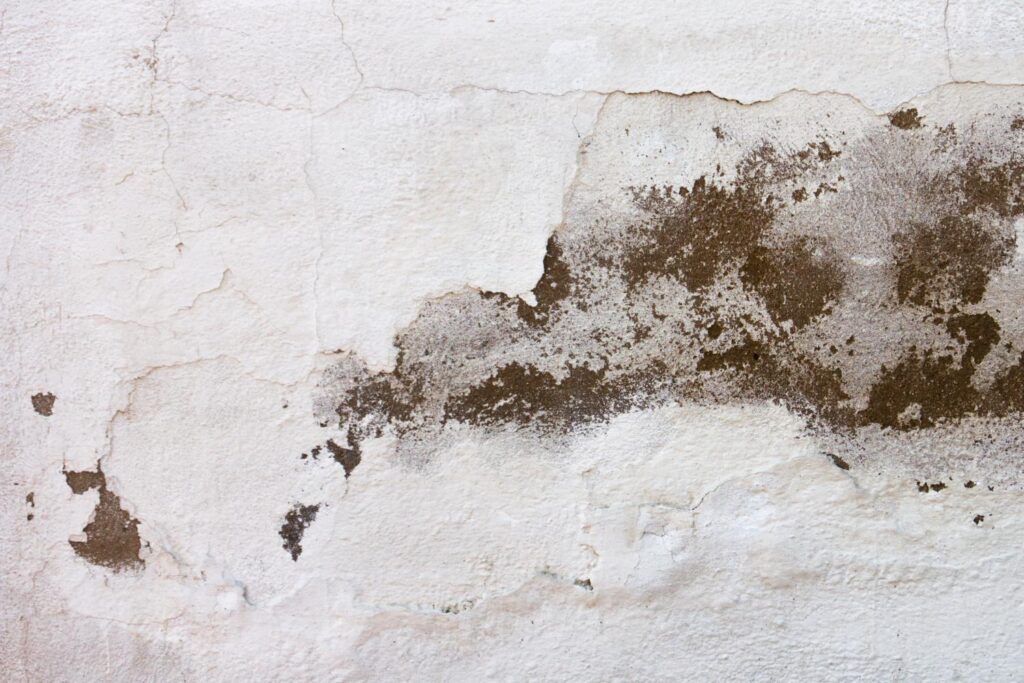
Moisture buildup behind drywall can gradually affect the surface materials you see every day. Sometimes, paint may begin to crack, peel, or develop unusual discoloration, and many people initially blame these changes on age or normal wear and tear. While that is sometimes true, moisture is another common cause that should not be ignored.
Homeowners dealing with recurring moisture concerns often discover that visible cosmetic damage is only a symptom of a deeper issue. For instance, water damage Kansas City often shows that minor wall imperfections can be early indicators of more significant moisture problems. Pay attention to sudden rapid changes rather than isolated cosmetic flaws that have remained unchanged for years.
3. Increased Allergy Symptoms
Excess moisture can contribute to mold growth, which may affect indoor air quality. As a result, you could experience symptoms such as:
- Persistent congestion
- Coughing
- Headaches
- Irritation that seems worse at home.
If health concerns appear alongside other warning signs, such as musty odors, stains, or wall damage, it may be worth considering whether moisture is playing a role.
4. Unexplained Stains or Discolouration
Yellowish, brownish, or dark stains that appear on walls without an obvious explanation often indicate moisture movement somewhere within the structure. These stains don’t always appear where the leak is located. Water often follows the path of least resistance, meaning the visible stain could be several feet away from the actual source.
Some homeowners choose to paint over the discoloration, hoping the issue will disappear. Unfortunately, if moisture remains present, the stains usually return and may become more noticeable.
5. Walls Feel Soft or Unusually Cold
When moisture becomes trapped behind drywall for extended periods, materials can begin absorbing water and losing their original strength. As a result, certain sections may feel soft when lightly pressed. In more advanced situations, walls can bulge, or develop subtle distortions that become visible when viewed from different angles.
Another clue homeowners sometimes notice is temperature differences, and this mostly happens when a damp section of a wall feels noticeably cooler than surrounding areas, because moisture affects how building materials retain and transfer heat.
These physical changes are often signs that water has been present for longer than expected. Rather than waiting for more obvious damage to appear, addressing the issue early can help prevent further deterioration.
Endnote
Hidden water damage often reveals itself through small changes that are easy to overlook during busy daily routines. Catching a problem early is often far easier than dealing with the consequences of discovering it too late.