
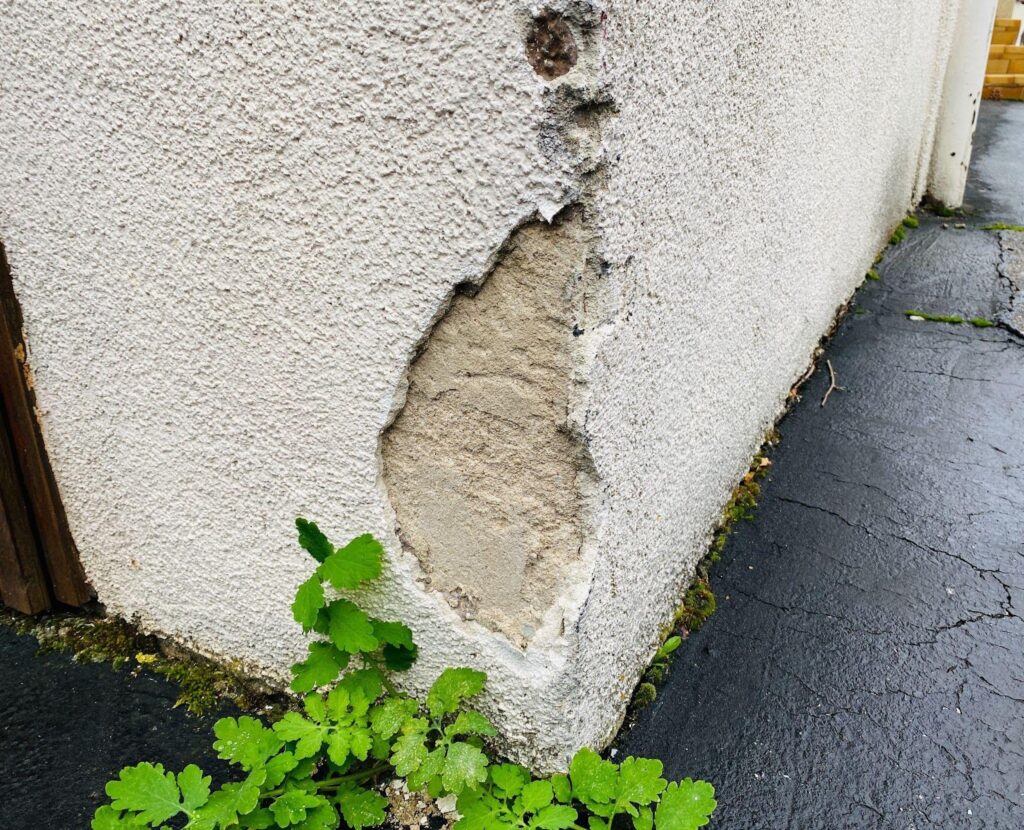
If you notice visible cracks, discoloration, or moisture build-up on your exterior walls, it may signal the need for a stucco inspection. Other signs include unusual energy bills or seasonal wear and tear that worsens over time. Addressing these issues early with professional expertise can prevent costly repairs and maintain your home’s structural integrity. Regular stucco maintenance ensures long-term protection and enhances energy efficiency.
Table of Contents
- Why Stucco Inspections Are Essential for Exterior Wall Protection
- 5 Signs You Need Stucco Experts for Exterior Wall Inspection
- Final Thoughts on Safeguarding Your Home with Stucco Maintenance
Your home’s exterior walls are its first line of defense against the elements, and stucco is a popular choice for its durability and aesthetic appeal. However, even the most resilient materials can show signs of wear over time. Cracks, discoloration, or moisture issues may seem minor at first, but they often indicate deeper problems that require professional attention.
Ignoring these warning signs can lead to costly repairs or even compromise your home’s structural integrity. By consulting Calgary stucco specialists, you gain access to expertise that can identify and address issues before they escalate. Understanding the early indicators of stucco damage empowers homeowners to act promptly, protecting both their property and peace of mind.
Why Stucco Inspections Are Essential for Exterior Wall Protection
Stucco is a durable and attractive material, but like any exterior finish, it requires regular attention to maintain its integrity. Over time, exposure to weather, temperature fluctuations, and other environmental factors can compromise its condition. A professional stucco inspection is essential to identify issues before they escalate into costly repairs or structural damage.
The Role of Stucco in Your Home’s Protection
Stucco serves as more than just an aesthetic feature; it plays a critical role in safeguarding your home’s building envelope. This outer layer helps regulate moisture levels, insulate against temperature extremes, and protect the underlying structure from water infiltration. When stucco begins to fail, it can lead to:

- Increased moisture penetration, causing mold or rot.
- Compromised energy efficiency, resulting in higher utility bills.
- Deterioration of the wall’s structural components.
Why DIY Assessments Fall Short
While some homeowners may attempt to inspect their stucco themselves, certain issues are not always visible to the untrained eye. For instance:
- Hairline cracks may indicate deeper foundational shifts.
- Subtle discoloration could signal hidden moisture problems behind the surface.
- Seasonal changes can mask or exaggerate symptoms, making accurate diagnosis challenging.
Professional inspectors bring expertise and tools to detect these subtle signs early, offering solutions that align with industry standards. By addressing minor issues promptly, you can avoid more extensive – and expensive – repairs down the line.
5 Signs You Need Stucco Experts for Exterior Wall Inspection
Stucco is a durable and attractive material, but like any exterior finish, it requires regular attention to maintain its integrity. Over time, environmental factors and wear can lead to issues that compromise your home’s structure and energy efficiency. Recognizing the warning signs early can save you from costly repairs and ensure your stucco remains in top condition. Here are five key indicators that it’s time to consult stucco experts for an inspection.
Visible Cracks and Gaps: Early Warning Signs of Stucco Damage
One of the most obvious signs of stucco trouble is the presence of cracks or gaps. These imperfections may seem minor at first, but they can allow moisture, air, and pests to penetrate your walls, leading to more significant problems.
- Hairline Cracks: Often caused by natural settling or temperature changes, these should still be sealed promptly to prevent water intrusion.
- Diagonal or Jagged Cracks: May indicate structural movement or poor installation practices.
- Horizontal Cracks: A serious concern, often linked to foundation stress or water damage behind the surface.
Addressing these cracks early with professional expertise prevents further damage and secures your stucco remains structurally sound.
Discoloration and Moisture Build-Up: Hidden Risks in Stucco Walls
Changes in your stucco’s appearance, such as unusual stains or streaks, can signal underlying moisture issues. Discoloration is not just an aesthetic problem – it’s often a symptom of deeper damage.
- Water Intrusion: Persistent damp spots or dark streaks suggest water seeping through cracks or improperly sealed joints.
- Efflorescence: A chalky white residue caused by mineral deposits left behind when water evaporates.
- Mold or Mildew Growth: Green, black, or brown patches indicate prolonged moisture exposure.
Moisture infiltration can lead to rot, mold growth, and even structural damage if left unchecked. Professional inspectors use tools like thermal imaging to identify hidden water pockets and recommend effective solutions.
Unusual Energy Bills: A Signal of Stucco-Related Issues
If your energy bills have unexpectedly risen, your stucco could be to blame. Cracks, gaps, or moisture damage can compromise your home’s insulation, forcing HVAC systems to work harder.
- Drafts near windows, doors, or exterior walls.
- Cold spots or inconsistent heating in certain rooms.
- Visible cracks or gaps in the stucco surface.
By addressing these inefficiencies, you can restore your home’s energy performance and reduce utility costs. Stucco specialists can identify areas where air infiltration occurs and recommend sealing or repair solutions.
Seasonal Wear and Tear: When to Consult Stucco Inspection Experts
Stucco is designed to withstand seasonal changes, but extreme weather can take a toll over time. Freeze-thaw cycles, heavy rain, and intense sunlight can cause gradual deterioration.
- Freeze-Thaw Cycles: Repeated freezing and thawing can widen existing cracks or create new ones.
- Rain and Humidity: Excessive moisture can saturate the stucco layers, leading to efflorescence or mold.
- UV Exposure: Prolonged sun exposure can fade or weaken the stucco surface.
Scheduling seasonal inspections helps catch minor issues before they escalate into major repairs. Professionals can assess whether your stucco is holding up well or needs maintenance to prepare for future weather challenges.
Pest Infestations or Strange Odors: Indicators of Compromised Stucco
If you notice pest activity or strange odors inside your home, compromised stucco could be the culprit. Cracks and gaps in the stucco provide entry points for insects, rodents, and other pests.
- Signs of Pest Activity: Droppings, nests, or unusual sounds in wall cavities.
- Musty or Moldy Smells: Indicate moisture trapped behind the stucco.
- Drafts or Unexplained Airflow: Suggest air leaks caused by structural gaps.
These issues not only affect your home’s comfort but also pose health risks. Stucco experts can locate and seal entry points, preventing further infestations and restoring your home’s integrity.
Final Thoughts on Safeguarding Your Home with Stucco Maintenance
Regular attention to your home’s stucco is more than just a matter of aesthetics – it’s a critical step in safeguarding your property’s long-term durability. From visible cracks and discoloration to hidden moisture issues, early detection of problems can save you from costly repairs and structural damage. By acting promptly and consulting skilled professionals, homeowners can address these concerns effectively while maintaining their home’s value and comfort.
Staying proactive with stucco inspection ensures your exterior walls remain resilient against the elements, providing lasting protection for years to come.