
Concrete slabs are great in providing a stable base for a home but it’s challenging to locate plumbing issues underneath them. Water lines may run beneath and when the pipe starts to deteriorate, the damage may not always be visible until it begins to affect other areas of the property.
Various factors can contribute to an underground pipe failure including poor installation. When a small leak releases continuous water, homeowners should take this problem seriously and get the repairs needed before it worsens.
It’s important not to delay inspection when these happen because they can turn a relatively contained plumbing issue into a complex restoration project when left alone for a long period of time. Find more info about leak facts when you go here. Some of the warning signs that they should look for are the following:
1. Your Water Bill Increases Unexpectedly
Paying more on utilities can happen when there’s a leak in the system. It can result in a drastically increased water usage and a sharp rise without any clear reason deserves further assessment.
Compare the amount from the recent bills and see if there are unusual patterns that are worth checking out. This can be an indication that somewhere along the pipes, there are issues that need to be fixed, or they will just continue to drain the home’s resources.
A simple meter check can be a good starting point. This is done by turning off the fixtures and recording the meter reading. Homeowners should wait for at least an hour to see if the numbers change during this period because it’s an indication of a problem. When this happens, calling a professional plumber can be a wiser choice and should be the next step because they can often find the root cause of the leak.
2. Flooring Becomes Stained
Water can spread through porous materials and if it continuous for a time, it can actually damage the carpets above the flooring. They can feel unusually soft and the changes can occur even if there’s no spilled water in the area.
Wooden boards may warp, and this can also happen to laminate planks that can swell up and separate at the edges. Homeowners may also notice loose tiles near the affected section, and when these can no longer be ignored, it’s best for them to get help from the professionals as soon as possible. There’s a possibility that the entire floor can collapse when it can no longer contain the leak and this is what many people should avoid. An expert can get this repaired as soon as possible so it’s important to call them.
3. Water Pressure Suddenly Drops
Residents might notice that faucets produce a weaker flow and it takes more time to take a bath and just do daily house chores in the home.
Still, low pressure does not always mean there is a leak beneath the foundation because it can be caused by sediment build up or it can be the municipality limiting the pressure because of maintenance. Ruling out these causes first can help them isolate the issue and get the right solutions without needing to spend unnecessarily.
Professional testing can distinguish between a concealed water loss and the supply problems so homeowners can avoid dismantling their entire plumbing system (https://home.howstuffworks.com/home-improvement/plumbing/plumbing-basics-ga.htm). Incorrect changes may place additional strain on the already weakened pipes, and it may only get repaired with the help of the licensed professionals.
4. You Hear Running Water When Everything Is Off
Generally, the plumbing should remain quiet when there are no appliances that are operating. A faint dripping sound may suggest that the water is continuing to move even if it’s not immediately visible.
Turn off the faucets and see if there are noticeable sounds when one walks inside the rooms. These noises shouldn’t be ignored, especially if everyone can hear them at night when the household is still. It’s not advisable to break through the floor, but instead, call the experts so they can use the right equipment to narrow down the source while minimizing the disruptions in the home.
5. Noticing Musty Odors and Cracks that Slowly Appear
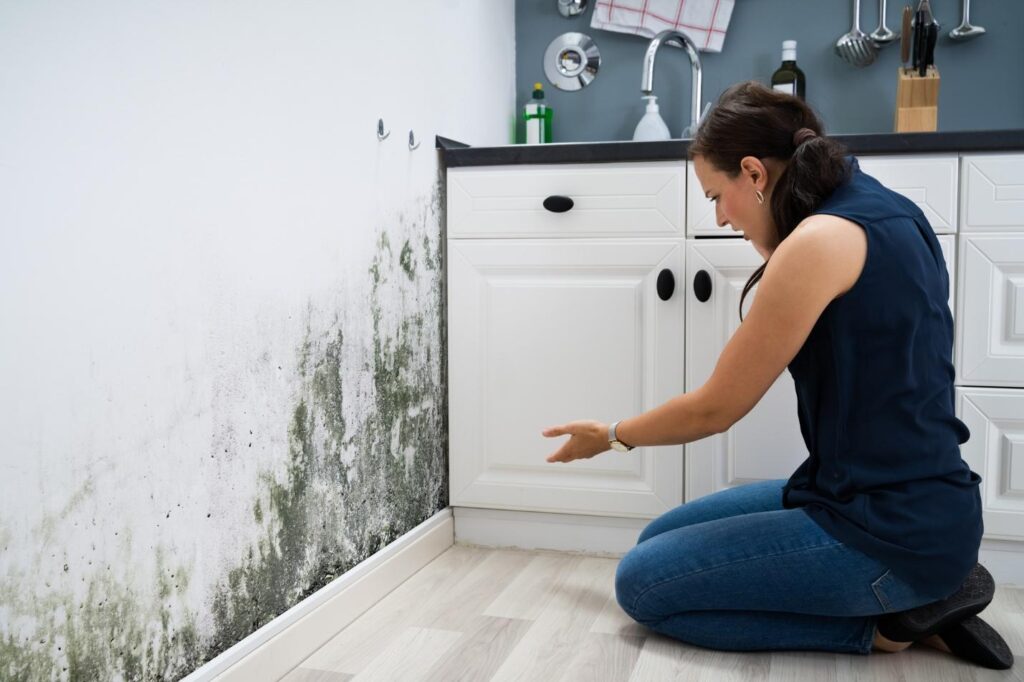
Not every crack in a wall indicates plumbing trouble, but when one notices a rapidly widening crack that’s accompanied by mold, then it’s time to pay close attention. Water beneath a slab can affect the soil that supports the foundation, and when the ground starts to expand because of the leak, this can place uneven pressure on the home’s structure. Residents may notice cracks near their windows and this often the best time for them to act.
An earthy smell can mean that mildew is growing beneath the carpet or is becoming visible on the walls. Cleaning the surface may not resolve this problem if the underground pipe continues to release water. Homeowners should consider arranging professional house slab leak detection because they can do specialized testing and determine which lines are affected. They can help recommend the most suitable approach based on the leak’s location, which is beneficial for homeowners.
What Happens During Professional Plumbing Leak Detection?
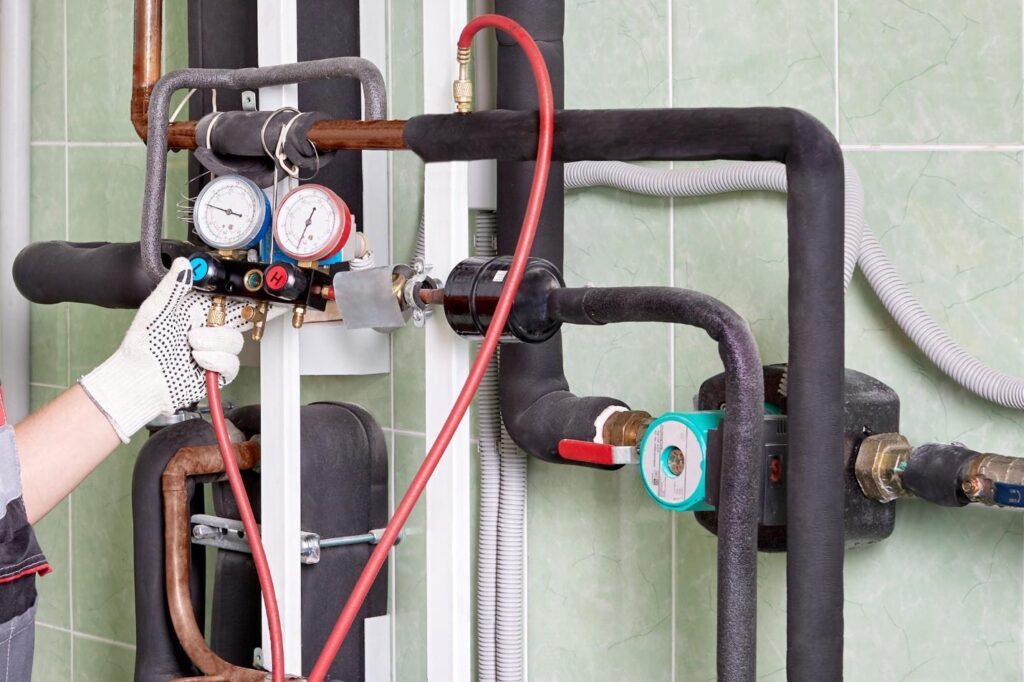
Technicians will conduct a thorough assessment of the home before providing a quote. Many will check the appliances to rule out other sources of leaks. When the initial assessment reveal that the slab is the problem, they’ll use acoustic listening devices to detect water escaping from the pipes. They may use thermal imaging for hot-water leaks so they can narrow down the affected areas without the need to open large sections of the floor.
Direct repairs can be done when the affected area is accessible, and they can easily get the pipes replaced without demolition. Rerouting the line through the walls may require extensive foundation work, and pipes might need replacement if there’s too much deterioration. Homeowners can compare their options and decide if they’re going to do what the plumber recommends or choose something that limits the disruption in their homes.