
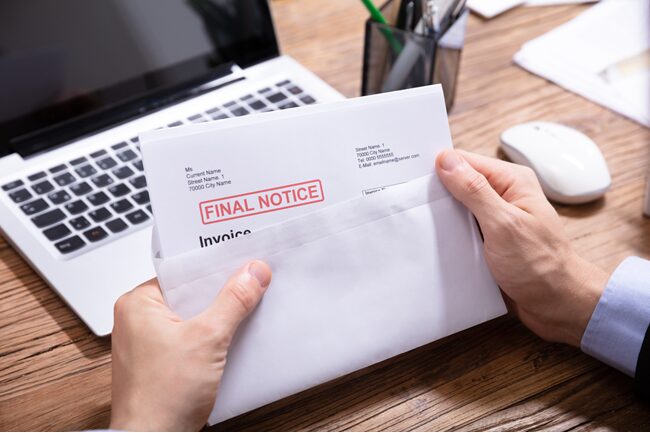
One of the most important aspects of the rental property market is the interaction between landlords and tenants. Tenants are responsible for meeting their end of the bargain, which includes paying rent and utilities. However, there may be instances in which renters leave the property without paying their unpaid utility bills.
When renters terminate a lease, this situation is one of the main issues some landlords face and poses both financial and legal difficulties. You can be the one in jeopardy if your tenant doesn’t make payments. When your next tenant tries to obtain the unpaid utility bills in their name, it can also cause problems. Read along as this article breaks down how to navigate unpaid utilities before it turns into a big problem.
Navigating Unpaid Utilities from the Previous Tenant
- Tenants Vacate the Property Without Notice
It’s difficult enough when a tenant leaves your property abruptly, but finding out that there are unpaid power bills on top of that can be really upsetting. After managing an empty property and dealing with turnover, you suddenly find yourself looking at bills that aren’t even yours. The first question that usually comes to mind is: Am I responsible for this?
The answer is contingent upon the utility setup. Tenants should be contacted directly by the utility company if the account is in their name. However, if the account was in your name and you were billing tenants, you might be held accountable. For this reason, it’s important that your utility and leasing agreements are clear. Having a proactive Philadelphia property manager can remind tenants about move-out procedures to prevent unpaid utility bills. However, with the right lease clauses, move-in procedures, and a proactive approach, you can protect yourself from being stuck with another tenant’s debt while keeping your rental business running smoothly.
- Tenant Skips Payment
As a landlord, utilities are also a way to protect your investment and not just about keeping the lights on. When your tenant skips payment, it can make you feel like you’re cleaning up someone else’s mess. “The good news?” You don’t have to take the hit.

Setting up utilities in your tenant’s name, explicitly defining payment obligations in your lease, and regularly checking that accounts are current are some ways to stop this from happening again. Think of it as a way of protecting yourself before issues happen. Utilities included in rent should be indicated in the lease to set clear expectations with tenants. You may stop chasing down old invoices and concentrate on finding fantastic tenants if you have the proper procedures in place. After all, your time is better spent growing your rental business instead of paying overdue balances.
How Can Landlords Prevent Future Utility Concerns?
- Requiring Tenant to Submit Final Utility Receipt
The final utility receipt indicates that the tenant has paid all outstanding invoices and closed their accounts, meaning they won’t incur additional charges under their name. If a utility bill remains unpaid and stays in the tenant’s name, the landlord would have difficulty demonstrating the debt isn’t theirs, certainly if the tenants do not register utilities and take off. The final receipt is strong evidence demonstrating the tenant’s responsibility up to the termination of their tenancy.
Landlords might ask for final utility receipts prior to returning the security deposit to guarantee that unpaid utility bills are cleared up. In disputes related to deposits or debts to the landlord, the final receipts can be used by deposit adjudicators or courts as proof that a tenant has complied with utility obligations. If the previous tenant simply leaves their account open, both supply and service to the incoming tenant or the landlord could be interrupted or delayed, but with final readings and the receipt, things are more seamless.
- Remind Tenants of Other Move-Out Procedures
Advise tenants to notify their utility providers (electricity, water, gas, internet, etc.) to cancel or transfer services as of their moving-out date. It’s optimal for tenants to request service to be cancelled or transferred at least one week before they move out, to avoid surprise charges and lapses in service.
Take the opportunity to remind tenants to be certain to pay final utility bills, settle their deposit accounts once they vacate the unit. You want to ensure none of the unpaid bills remain tied to your property.
You may also want to remind tenants to call in their final meter readings on their last day of occupancy, whatever date they move out. This will ensure accuracy on their final closing bill and nothing to dispute about any charges, if there are any, after they have vacated.
Final Thoughts

When renters vacate with unpaid utility bills, landlords are faced with a number of difficulties. Landlords have several ways to recoup the unpaid sums, despite the fact that the situation can be upsetting and costly. The first steps are open dialogue and negotiation, which are followed by legal activities like hiring a collection agency or going to small claims court.
Landlords can also steer clear of such situations in the future by taking preventive steps like having clear leasing agreements and doing routine inspections. You can safeguard their interests and preserve a positive landlord-tenant relationship by being aware of their alternatives and acting proactively.