
Introduction
Windows are often called the “eyes of your home.” They bring in sunlight, fresh air, and even give you a clear view of the outside world. But just like any other part of your house, they need regular care to stay in good shape. Think about it—would you wear the same pair of glasses for years without cleaning them? Probably not. The same goes for your windows.
Whether you live in a small apartment or a big house, knowing how to maintain your windows can save you money, improve energy efficiency, and make your space more beautiful. In this guide, we’ll walk through everything you need to know about window maintenance, from cleaning and repairs to hiring expert window cleaners when the job gets too tough.
1. Why Window Maintenance Matters
Windows aren’t just for looks. They affect the comfort, safety, and value of your home. Dirty or damaged windows can:
- Block natural light.
- Reduce energy efficiency.
- Lower your home’s curb appeal.
- Lead to costly repairs later.
Regular maintenance keeps them sparkling and working properly, which means a healthier, happier home.
2. Signs Your Windows Need Attention
How do you know when your windows are crying out for help? Look for these signs:
- Fog or condensation between glass panes.
- Difficulty opening or closing windows.
- Drafts coming through cracks.
- Stains, scratches, or visible dirt buildup.
If you notice any of these, it’s time for a cleaning or repair session.
3. Tools and Supplies You’ll Need
Before you start cleaning, gather the right tools. You don’t need anything fancy:
- Squeegee (for streak-free cleaning)
- Microfiber cloths
- Mild soap or vinegar solution
- Bucket of warm water
- Soft-bristled brush
- Rubber gloves
Pro tip: Avoid harsh chemicals that can damage the glass or frame.
4. Step-by-Step Window Cleaning Guide

Here’s a simple method to get spotless windows:
- Dust and clear debris – Remove cobwebs, dirt, or leaves around the frame.
- Wash with solution – Use a mix of warm water and vinegar or mild soap.
- Wipe with squeegee – Start from the top and pull downward for a streak-free finish.
- Dry the edges – Use a microfiber cloth to catch any drips.
Think of it like washing your car—attention to detail makes all the difference.
5. How Often Should You Clean Windows?
The frequency depends on your environment:
- Urban areas – Clean every 2-3 months due to pollution.
- Rural areas – Every 4-6 months is usually fine.
- Coastal homes – Monthly cleaning helps prevent salt buildup.
6. DIY vs Professional Cleaning
You can clean windows yourself, but sometimes hiring pros makes more sense. For small jobs, DIY is great. But if you have tall windows, stubborn stains, or limited time, professionals can get the job done faster and safer.
7. Benefits of Hiring Expert Window Cleaners
Why hire expert window cleaners instead of doing it yourself?
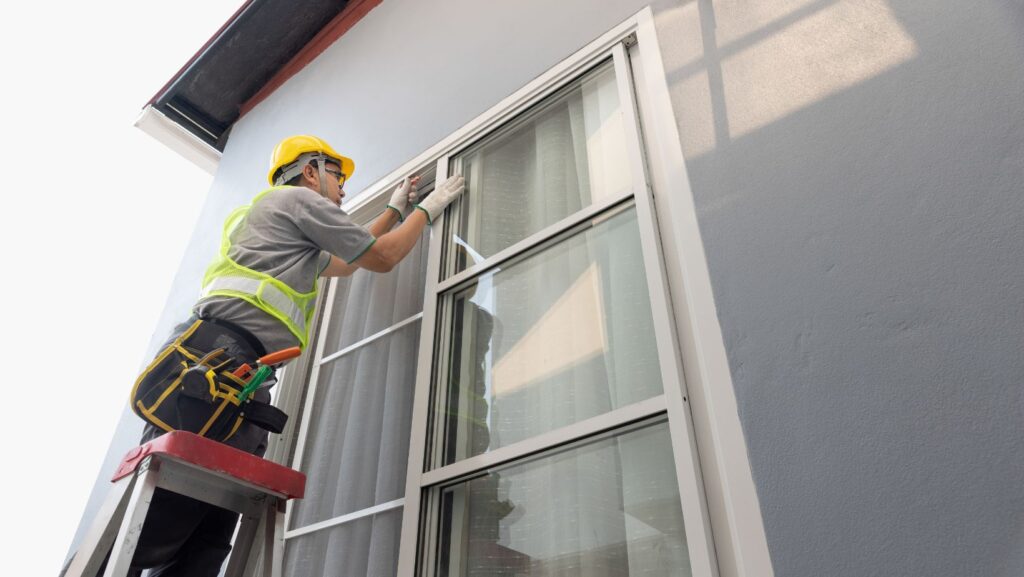
- Safety: No need to climb dangerous ladders.
- Quality: They use professional-grade tools and solutions.
- Time-saving: Free yourself for other tasks.
- Longevity: Proper cleaning extends the life of your windows.
It’s like going to the dentist—you can brush your teeth at home, but deep cleaning by a professional makes a world of difference.
8. Preventing Window Damage
Prevention is always better than cure. To keep your windows in top shape:
- Avoid slamming them shut.
- Regularly check for leaks or cracks.
- Clean tracks and hinges to prevent rust.
- Apply protective coatings if recommended.
9. Seasonal Window Care Tips
Windows face different challenges each season:
- Spring: Wash away pollen and dust.
- Summer: Check for cracks from heat expansion.
- Fall: Clear leaves and prepare for colder weather.
- Winter: Watch for condensation and frost.
10. How to Maintain Window Frames
Frames are just as important as glass. Depending on the material:
- Wood: Repaint or reseal every 2-3 years to avoid rot.
- Aluminum: Clean with mild detergent; check for rust.
- Vinyl: Simple soap and water are enough.
11. Glass Care: Avoiding Scratches and Stains
Glass may look tough, but it’s easy to damage. Avoid:
- Using paper towels (they leave scratches).
- Harsh scrubbers or blades.
- Letting bird droppings or hard water stains sit for too long.
Instead, use gentle cleaners and microfiber cloths.
12. Energy Efficiency and Insulation
Well-maintained windows can cut energy bills. Sealed windows keep heat inside during winter and outside during summer. Regular maintenance ensures no air leaks, helping your HVAC system work less.
13. Common Mistakes to Avoid
Some homeowners accidentally harm their windows. Avoid these mistakes:
- Cleaning in direct sunlight (causes streaks).
- Using ammonia-based cleaners (they damage glass).
- Ignoring small cracks (they get worse over time).
14. Long-Term Window Maintenance Checklist
Here’s a quick yearly checklist:
- Clean windows inside and out.
- Inspect frames and seals.
- Check for drafts.
- Lubricate moving parts.
- Replace damaged screens.
15. Conclusion
Your windows deserve more than just a quick wipe now and then. Regular care not only keeps your home looking fresh but also protects your investment. And when the task feels overwhelming, remember that expert window cleaners are just a call away to bring back the shine.
FAQs
1. How do I prevent streaks when cleaning windows?
Use a squeegee and clean on a cloudy day to avoid streaks caused by quick drying in the sun.
2. Can I use vinegar to clean my windows?
Yes! A vinegar and water mix is eco-friendly and works great for removing dirt and grime.
3. How often should I hire professional window cleaners?
For most homes, once or twice a year is enough, but coastal or urban areas may require more frequent cleaning.
4. Are dirty windows bad for my health?
Yes, buildup of mold, dust, or pollen around windows can trigger allergies and breathing issues.
5. What’s the best way to maintain wooden window frames?
Regularly sand, seal, and repaint them to prevent rot and water damage.