
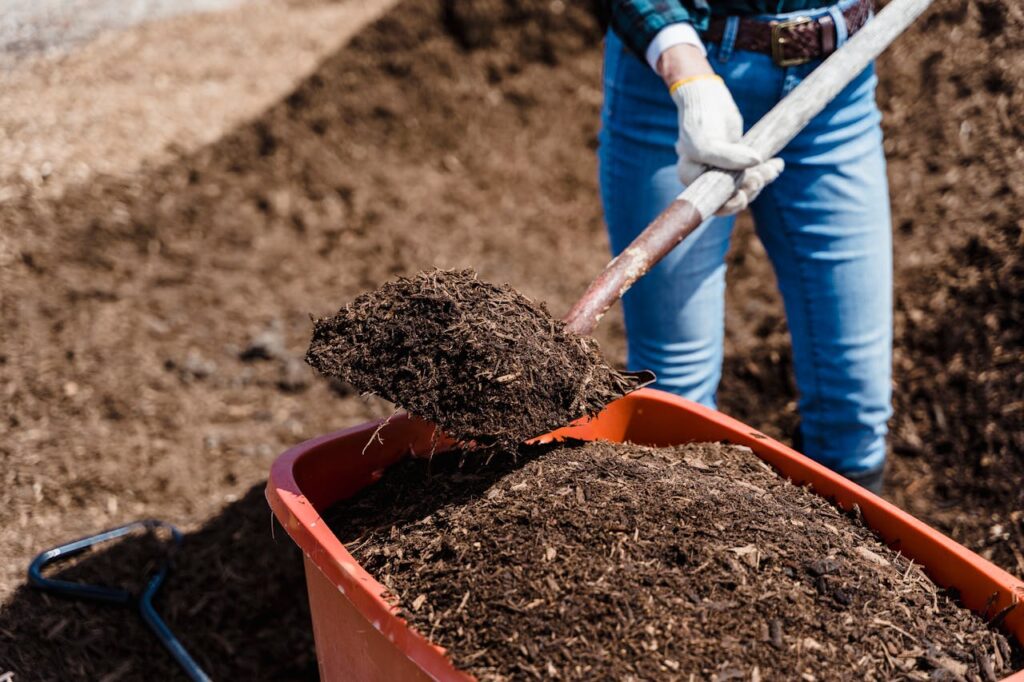
Mulch is often seen as the ultimate solution for protecting plants during winter. Homeowners carefully spread mulch around newly planted evergreens, confident that this single step will carry their shrubs safely through freezing temperatures, harsh winds, and snow. While mulch is undeniably important, it’s only part of the equation.
New evergreen shrubs face unique challenges in winter, especially during their first year after planting. To ensure they survive and thrive, it’s essential to understand what mulch can—and cannot—do, and what additional care new evergreens truly need when winter arrives.
Why New Evergreens Are Vulnerable in Winter
Unlike deciduous plants, evergreens retain their needles or leaves year-round. This means they continue to lose moisture through transpiration even when the ground is frozen. Newly planted evergreens are particularly at risk because their root systems haven’t fully established yet, limiting their ability to absorb water.
Add cold winds, fluctuating temperatures, frozen soil, and winter sun exposure, and it becomes clear why many new evergreens struggle or show browning by spring.
What Mulch Does Well
Mulch is an essential winter tool—but it’s not a cure-all.
1. Insulates the Soil
A 2–4 inch layer of organic mulch helps regulate soil temperature by reducing extreme fluctuations. This insulation protects roots from freeze-thaw cycles that can damage or expose them.
2. Retains Soil Moisture
Mulch slows evaporation, helping soil retain moisture longer into winter. This is especially helpful after late-fall watering.
3. Prevents Frost Heaving
Repeated freezing and thawing can push shallow-rooted plants upward, exposing roots to cold air. Mulch acts as a buffer, keeping soil stable.
Bottom line: Mulch protects the roots—but it doesn’t protect the entire plant.
What Mulch Doesn’t Do
Despite its benefits, mulch alone cannot fully protect new evergreens from winter stress.
- It does not prevent moisture loss from needles
- It does not block drying winter winds
- It does not protect foliage from sunscald
- It does not correct poor soil conditions
That’s why additional winter care strategies are critical.
What New Evergreens Really Need in Winter
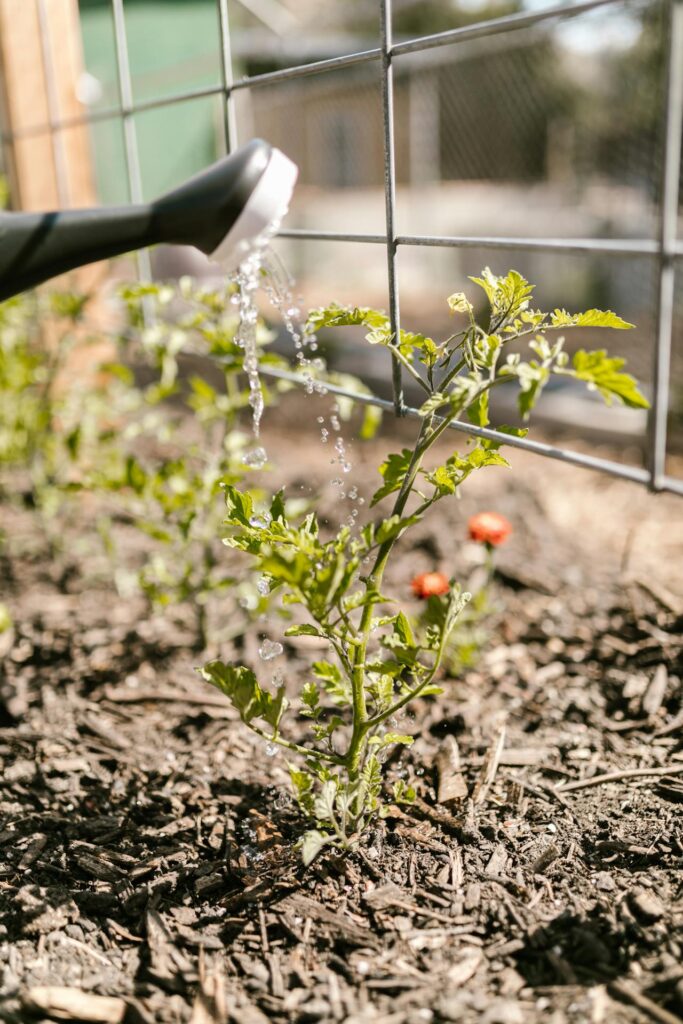
1. Deep Watering Before the Ground Freezes
One of the most important steps happens before winter even begins. New evergreens should be watered deeply in late fall, after temperatures cool but before the soil freezes.
Well-hydrated plants are better equipped to handle winter desiccation. Dry soil freezes faster and increases stress on already vulnerable roots.
2. Wind Protection Is Just as Important as Mulch
Cold winter winds rapidly pull moisture from evergreen needles. Without protection, shrubs may suffer from browning, needle drop, or branch dieback.
Effective wind protection options include:
- Burlap screens on the windward side
- Snow fencing
- Temporary garden fabric barriers
Avoid plastic coverings, which trap moisture and create damaging temperature swings.
3. Protection from Winter Sun
Bright winter sun, especially on south- and west-facing exposures, can warm foliage during the day and cause rapid freezing at night. This cycle leads to sunscald and tissue damage.
Burlap screens also help reduce sun exposure, making them a dual-purpose solution.
4. Healthy Soil Beneath the Surface
Even the best mulch won’t help if soil beneath it is compacted or poorly draining. Healthy soil allows roots to grow deeper and absorb nutrients more efficiently before winter dormancy.
Core aeration improves soil structure, reduces compaction, and supports deeper root development—benefits that directly impact winter survival. Investing in professional lawn aeration services in boston ma can significantly improve soil conditions, helping evergreens establish stronger roots before winter stress sets in.
5. Proper Planting Depth Matters
Evergreens planted too deep may experience root rot, while those planted too shallow are exposed to cold and drying conditions. The root flare should always be visible above the soil line.
Mulch should never be piled against the trunk, as this traps moisture and encourages disease and pests.
6. Skip Late-Season Fertilizing
It’s a common misconception that fertilizing before winter strengthens plants. In reality, late fertilization encourages new growth that won’t harden off before freezing temperatures arrive.
For new evergreens, focus on soil health and watering instead. Fertilizing is best done in early fall or spring, depending on the plant species.
Winter Maintenance Tips Many Homeowners Miss
Even after proper preparation, winter care isn’t completely hands-off.
- Gently brush heavy snow off branches to prevent breakage
- Check burlap screens after storms
- Watch for animal damage near the base of shrubs
Avoid shaking frozen branches, as they snap easily when brittle.
Is Mulch Enough? The Final Answer
Mulch is essential—but it’s not enough on its own.
For new evergreens to survive winter successfully, they need:
- Proper hydration before freeze-up
- Wind and sun protection above ground
- Healthy, aerated soil below ground
- Correct planting depth and spacing
When these elements work together, mulch becomes part of a complete winter protection strategy rather than a standalone solution.
Conclusion
New evergreen shrubs bring lasting beauty to landscapes, but winter can be unforgiving—especially during their first year. While mulch plays a crucial role in insulating roots and conserving moisture, it cannot protect foliage from wind, sun, or dehydration on its own.
By combining mulching with deep watering, wind barriers, soil improvement, and professional care such as lawn aeration services in Boston MA, homeowners can give new evergreens exactly what they need to withstand winter and emerge healthy in spring.
A little extra preparation now can save months of frustration—and replacement costs—later.