
Bed bugs have a talent for turning small problems into long, expensive ordeals. They hitchhike in luggage, move through wall voids, and settle into the seams and cracks you’d never think to check until you’re losing sleep. In many cities, infestations are also harder to eliminate than they were a decade ago—partly because bed bugs have developed resistance to several commonly used insecticides, and partly because modern buildings offer plenty of hiding spots.
Heat treatment has become one of the most practical answers to that reality. It’s not a gimmick or a “quick fix” in the lazy sense; done properly, it’s a controlled, technical process that uses lethal temperatures to wipe out bed bugs throughout a room (or an entire property). If you’re weighing options—especially for a stubborn infestation—here are five clear benefits of using heat, along with what to keep in mind so the approach actually delivers.
1) Heat reaches the hiding places sprays often miss
Penetration matters more than people think
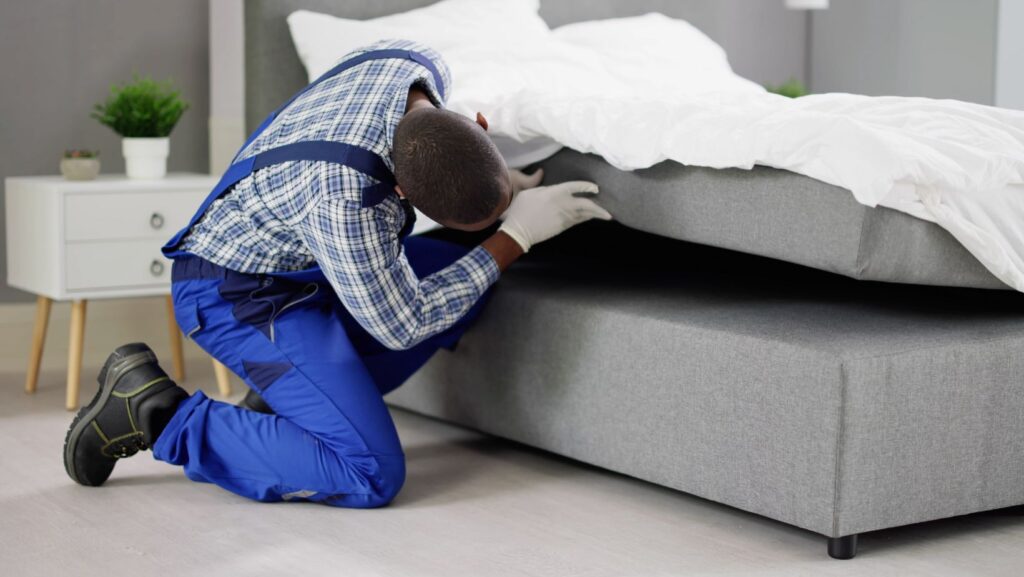
Bed bugs don’t live on the mattress surface the way many people imagine. They wedge themselves into screw holes, behind skirting boards, inside bed frames, under carpet edges, and even within clutter. That’s why “I sprayed everything I could see” often fails: the bugs you can’t see are the ones that keep the infestation going.
A professional heat setup is designed to warm the entire treatment zone—not just the air, but the contents and the hard-to-reach crevices where bed bugs shelter. With the right equipment and airflow management, heat can push into places that are difficult to saturate with liquid products, and it does so without relying on direct contact the way many sprays do.
2) It can kill all life stages, including eggs
Breaking the cycle in one coordinated effort
One of the most frustrating features of bed bugs is their life cycle. Even if you kill active bugs today, overlooked eggs can hatch later and restart the problem. Many conventional approaches deal with this by spacing treatments out over weeks, aiming to catch newly hatched bugs before they reproduce.
Heat changes the equation because bed bugs are vulnerable to sustained high temperatures. When temperatures are elevated into the lethal range and held long enough (commonly above ~50°C in target areas, though protocols vary), it can eliminate adults, nymphs, and eggs during a single, well-executed treatment. That’s why heat is frequently discussed as a form of chemical-free bed bug removal—not because it’s “gentle,” but because it’s thorough when properly controlled and verified.
The key word there is verified. Reputable operators don’t guess; they use sensors to confirm temperatures in multiple locations, including the places bed bugs are most likely to hide.
3) Less reliance on insecticides (and fewer resistance headaches)
A practical response to resistance trends
Insecticide resistance isn’t abstract; it shows up as repeated call-outs, lingering low-level infestations, and frustrated residents who feel like nothing works. Heat sidesteps that problem because it doesn’t depend on a bug’s susceptibility to a specific active ingredient. A bed bug can be resistant to a chemical class, but it can’t “resist” physics.
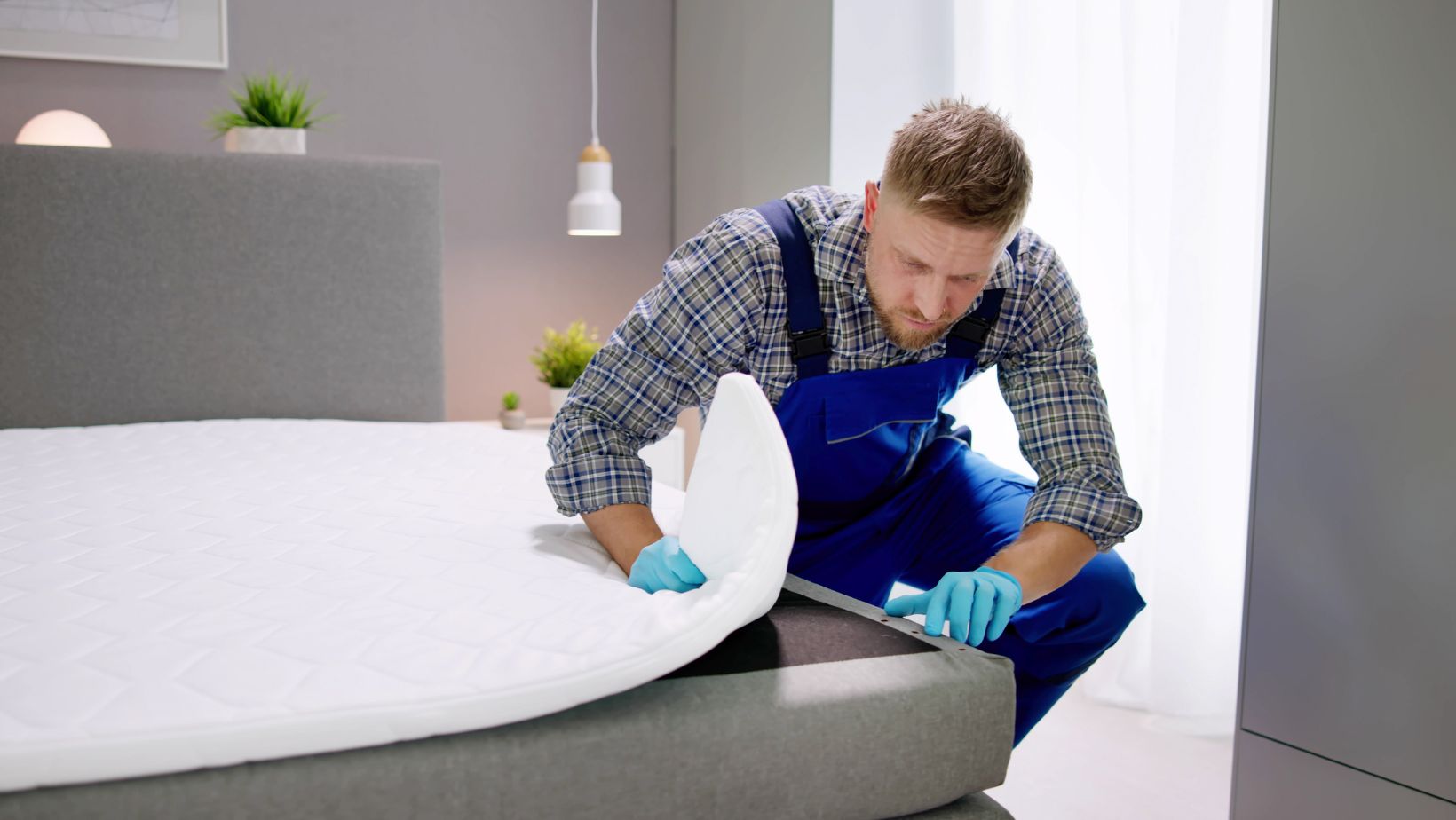
That matters in settings where chemical use is complicated or undesirable—homes with small children, people with sensitivities, or facilities where odours and residues are a concern. It also matters operationally: reducing chemical reliance can simplify treatment planning and avoid overusing products that may be losing effectiveness in your area.
To be clear, heat isn’t automatically “better” than every chemical approach in every scenario. Some infestations respond well to targeted insecticides, and many pros use integrated methods. The advantage is that heat gives you a robust non-chemical tool that doesn’t weaken as resistance grows.
4) Faster resolution and less disruption to daily life
Speed isn’t just convenience; it’s containment
The longer an infestation drags on, the more likely it is to spread—into adjacent rooms, neighbouring flats, or the next guest’s suitcase. Heat treatment is often attractive because it compresses the timeline. Instead of multiple visits spread over weeks, a heat job is commonly completed in a day (property size and prep requirements will influence this), followed by monitoring and any targeted follow-up if needed.
This is especially valuable for:
- Hospitality: getting rooms back into service quickly while reducing the chance of ongoing spread.
- Landlords and property managers: limiting vacancy time and helping residents return to normal routines sooner.
- Busy households: reducing the “treatment fatigue” that leads people to stop following protocols halfway through.
That said, “fast” doesn’t mean “no effort.” Heat works best when the space is prepared properly and the treatment plan accounts for the entire problem area, not just the bed.
5) Strong fit with long-term prevention and monitoring
Heat solves the current infestation—habits prevent the next one
A successful heat treatment is often a turning point, but it’s not the end of the story. Post-treatment monitoring and sensible prevention steps are what keep a cleared space from becoming re-infested—particularly in multi-unit buildings or frequent-travel households.
If you want heat to be a lasting solution, focus on the basics that reduce reintroduction risk and make future inspections easier. Here’s a practical (and realistic) set of actions to pair with treatment:
- Before treatment: reduce clutter near sleeping areas, launder and dry textiles on high heat where safe, and follow guidance on what items must be removed or treated separately.
- After treatment: use mattress and box-spring encasements, install interception devices under bed legs if recommended, and schedule follow-up checks to confirm activity stays at zero.
- Ongoing: be cautious with second-hand furniture, inspect luggage after travel, and report bites or spotting early rather than “waiting to see.”
Heat also integrates well with targeted interventions when necessary. If technicians identify a particular harbourage that needs physical removal, sealing, or a minimal residual application, they can address it strategically rather than blanketing a room out of uncertainty.
Final thoughts: heat is powerful, but precision is what makes it work
Heat treatment earns its reputation because it aligns with how bed bugs actually behave: hidden, persistent, and capable of rebounding from incomplete efforts. The biggest benefits—full-structure reach, egg-level lethality, reduced chemical dependence, faster turnaround, and long-term compatibility—show up when the job is measured, not improvised.
If you’re considering heat, ask how temperatures will be monitored, what prep is required, and what follow-up looks like. When those pieces are in place, heat isn’t just an alternative—it’s one of the most decisive ways to reset a space back to bug-free living.