
Have you ever opened a closet and felt like your house was quietly judging you? Across the country, people are spending more time at home while also ordering more online, which means stuff piles up fast. Between remote work, home gyms, and holiday decorations, space disappears quickly. In this blog, we will share smart storage ideas that help you create a more organized home without knocking down walls or losing your mind.
Start by Rethinking What “Storage” Really Means
Most people think storage means buying more bins. In reality, storage is about managing flow. Items come into your home every week. Groceries, packages, seasonal gear, work supplies, kids’ toys, and random purchases made at midnight all compete for space. If you do not manage where things go, your house becomes a holding area instead of a home.
The first step is auditing what you own. Walk through each room with a notepad. Write down what you use daily, weekly, monthly, and rarely. The rarely used items are the ones that create clutter. Holiday décor, camping gear, sports equipment, and bulky tools often sit untouched for months but still take prime space in closets and garages.
Once you know what you actually use, group items by purpose instead of location. Keep work items together. Keep cleaning supplies in one place. Store hobby materials in one defined area. When items have clear zones, they are easier to put back.
Another key shift is thinking vertically. Most homes have unused wall space. Install shelves above desks, inside closets, and even in laundry rooms. Use tall bookcases instead of wide ones. Add hooks to walls for bags, jackets, and hats. You are not adding square footage, but you are maximizing what already exists.
Smart storage is less about buying new containers and more about designing a system that makes daily life easier.
Move Large or Seasonal Items Out of the Way
Some items simply do not belong inside your living space year-round. RVs, boats, trailers, and even large lawn equipment can overwhelm garages and driveways. With outdoor travel growing again and more families investing in recreational vehicles, storage pressure has increased in many neighborhoods.
If you own a recreational vehicle or other oversized equipment, using an RV storage facility can free up significant space at home. A well-maintained facility keeps your vehicle secure while allowing you to reclaim your garage for practical use, whether that means parking your car, creating a workshop, or simply walking through without squeezing sideways.
Even if you do not own an RV, the principle still applies. Move items that are used only a few times a year into a separate storage solution. Seasonal décor, extra furniture, or sports gear can be stored off-site so your daily environment feels lighter and more functional.
Within the home, rotate seasonal items. Store winter coats and boots in sealed bins during summer. Switch them out when the weather changes. Label containers clearly so you are not digging through ten boxes to find one scarf.
This approach reflects a broader shift happening right now. As more people work from home, every square foot matters. The home is now an office, gym, classroom, and living space combined. That means keeping only what you truly need in sight makes the environment more peaceful.
Upgrade Closet Systems Without Major Renovations
Closets are often underused because they were built with one rod and a single shelf. That design does not match modern storage needs.
Start by installing a second hanging rod in larger closets. This doubles your hanging space instantly for shirts, jackets, and shorter items. Add adjustable shelves for folded clothes and storage bins.
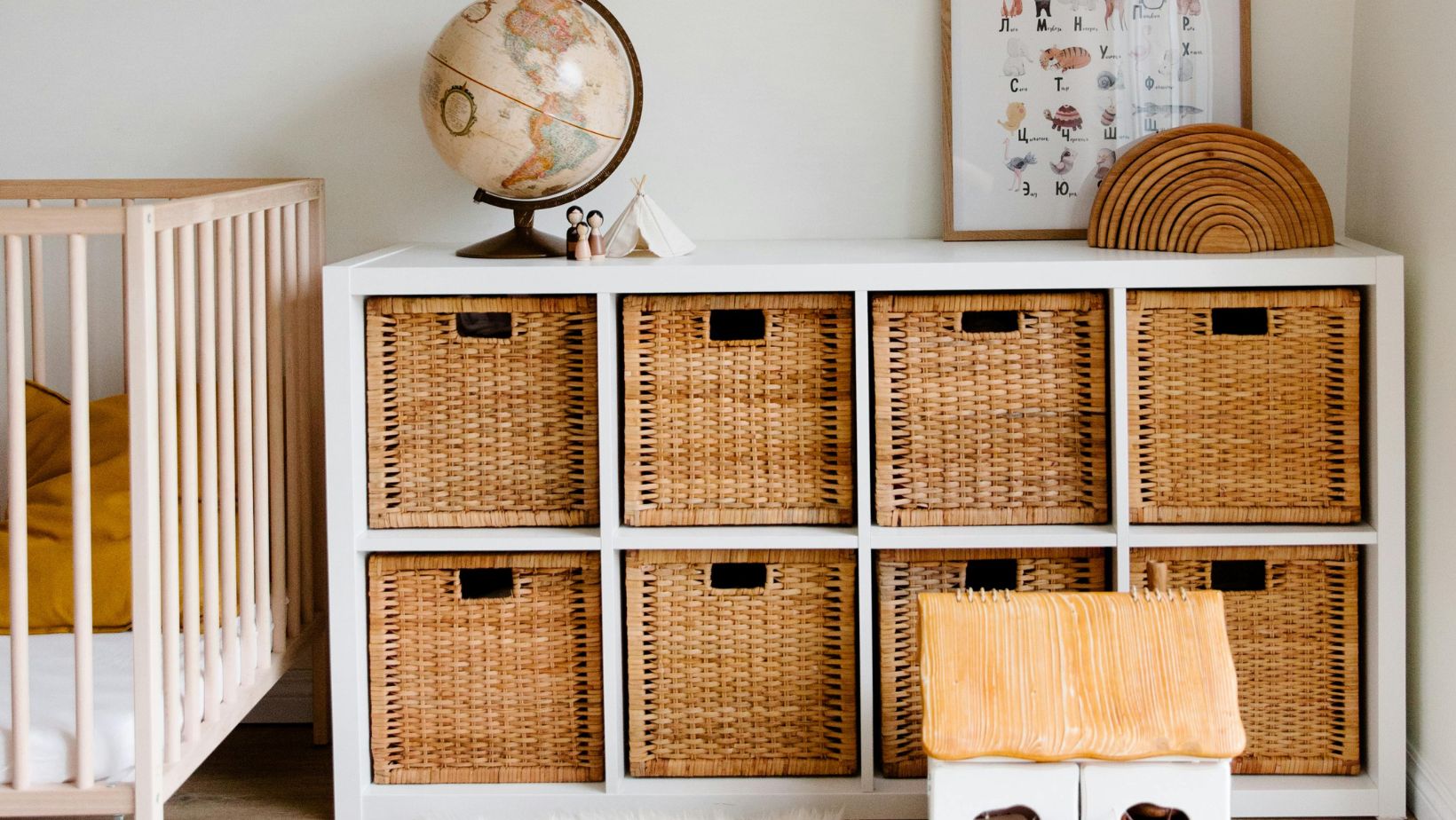
Use clear containers for items you want to see easily, such as accessories or seasonal wear. Opaque bins work better for items you rarely use. Label everything clearly. The label saves you time later and keeps others in your household from creating chaos.
Shoe racks and over-the-door organizers can also transform small closets. Many people stack shoes on the floor until they create a pile that falls over daily. A simple vertical rack solves this problem without requiring more space.
If you share a closet, define zones. One side belongs to one person. The other side belongs to someone else. Mixing everything together increases clutter and confusion.
A well-organized closet reduces stress in the morning. Instead of searching for a missing item, you move through your routine smoothly.
Turn Furniture Into Hidden Storage
Modern furniture often doubles as storage, and using it wisely can reduce visible clutter.
Consider beds with built-in drawers underneath. If you already have a standard bed, use low-profile bins to store off-season clothing or extra linens. Keep the bins labeled and organized so you are not stuffing random items under there.
Ottomans with storage compartments are useful in living rooms. They hold blankets, board games, or kids’ toys while still serving as seating or a footrest. In children’s rooms specifically, bunk beds for kids are one of the most effective space-saving furniture choices available — elevating the sleeping area frees up floor space for play, storage, or a desk without requiring a larger room.
Coffee tables with shelves or drawers provide a home for remote controls, magazines, and chargers. Instead of letting items spread across surfaces, store them neatly inside furniture designed for that purpose.
Entryway benches with cubbies also help control clutter near the door. Shoes, bags, and sports gear can go directly into their assigned space instead of forming a pile.
This approach keeps everyday items accessible while reducing visual mess. When surfaces stay clear, the entire room feels calmer.
Balance Minimalism With Practical Living
Minimalism became popular in recent years, partly because clutter makes people feel overwhelmed. However, extreme minimalism is not practical for everyone.
The goal is not to own nothing. The goal is to own what supports your life without crowding it.
If you love hobbies, keep the tools you use regularly. If you travel often, keep luggage accessible. If you host family gatherings, store extra chairs neatly instead of eliminating them.
Smart storage supports real life. It does not demand unrealistic standards.
An organized home reflects intention. It shows that you chose what stays and where it belongs. In a world where consumer habits and online shopping make accumulation easy, building a thoughtful storage system protects both your space and your peace of mind.
When you design storage that matches your lifestyle, your home stops feeling cramped and starts feeling functional. The changes do not require construction. They require clarity, planning, and a willingness to let go of what no longer serves you.