
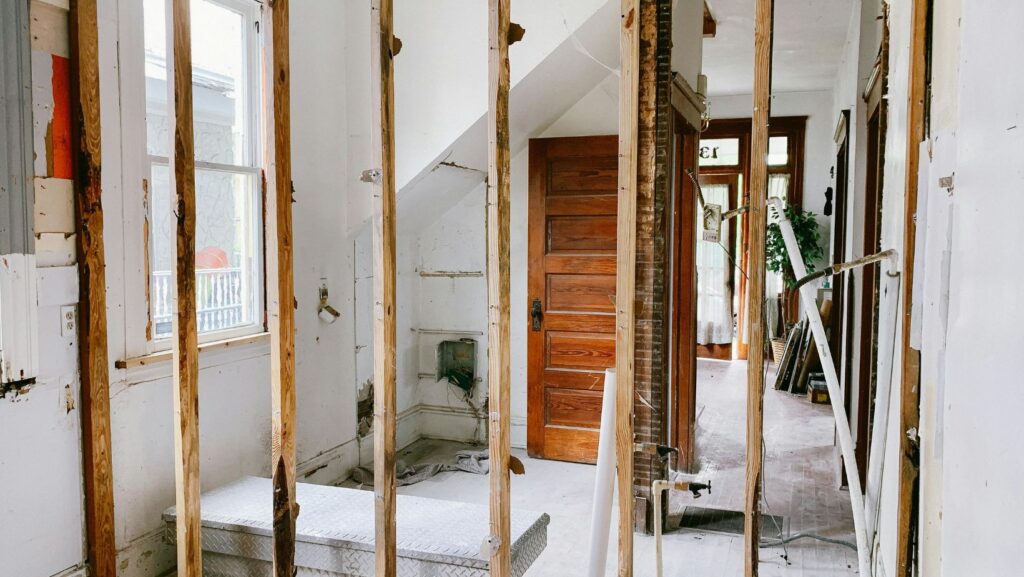
Many homeowners in Hot Springs Village, AR start renovations with a clear goal in mind. They want better lighting, updated floors, or a kitchen that finally works for their family. What they do not expect is how quickly a simple project can disrupt daily life. Dust spreads. Furniture piles up. Closets overflow. Rooms become unusable for weeks.
In a community known for well-kept homes and quiet streets, renovations often happen to improve comfort and value. But most people focus on design choices and forget the practical steps that protect their home before work begins. A strong pre-renovation plan prevents damage, reduces stress, and keeps the project on track from day one.
Before breaking ground, make sure your tool inventory is ready. Investing in professional-grade power tools from the start saves time and frustration. Équipement Polar, a Canadian industrial tool distributor since 1991, offers a full range of power tools from brands like Milwaukee, DeWalt, and Makita — with delivery across Canada.
Clearing More Than Just the Big Furniture
Most homeowners move couches and tables out of the way and assume the space is ready. That rarely works. Renovation dust travels far beyond the main work area. It settles inside drawers, closets, and open shelves. Wall art, mirrors, small appliances, and even curtain rods can get scratched or covered in debris.
Before work begins, remove anything that hangs on the walls or sits on open surfaces. Empty nearby closets if the project involves sanding or demolition. Take down light fixtures if contractors request it. If you do not have enough space inside your home, consider moving items to a secure off-site option. With self storage Hot Springs Village residents can move larger objects off-site and secure more open space at home. A fully cleared room also reduces the chance of damage and saves you hours of cleaning later.
Planning How You Will Live During the Project
Homeowners often focus on the final result and forget to plan for daily life during construction. If your kitchen is under renovation, you will still need to cook. If your bathroom is closed off, you will need an alternative. Without a plan, simple routines become frustrating.
Set up a temporary cooking station with a microwave, coffee maker, and basic supplies in another room. Move toiletries and daily essentials to an accessible space before demolition starts. If noise will affect your work schedule, adjust your routine in advance. Clear planning helps you avoid stress and prevents last-minute scrambling once the project begins. Renovations feel more manageable when your daily needs remain covered.
Protecting Floors and Nearby Rooms
Even when contractors use drop cloths, you should take extra steps to protect the rest of your home. Workers move in and out throughout the day. Dust and debris travel on shoes and through open doorways. Nearby rooms can collect grime faster than you expect.
Seal off the work area with plastic barriers if possible. Cover vents to limit dust flow. Lay down floor protection in hallways that workers will use often. Remove rugs from traffic paths to prevent stains or tears. Taking control of these details reduces deep cleaning later and keeps other areas of your home in good condition. Prevention takes less time than repairing scratched floors or stained carpets.
Checking Permits and Community Requirements Early
Before demolition starts, confirm whether your project requires a permit. In Arkansas, many structural changes, electrical updates, plumbing work, and major additions require approval from the local building department. Skipping this step can lead to fines or forced corrections later. Contact the appropriate city or county office that serves Hot Springs Village to verify what applies to your property.

If your home falls under a property owners association, review its guidelines as well. Some associations require written approval for exterior changes, roofing updates, or visible additions. Do not rely only on your contractor to handle this. Ask questions and request proof of permits before work begins. Taking responsibility early prevents delays and protects your investment.
Setting Clear Work Hours and Expectations
Renovation noise can disrupt your home and your neighbors. Power tools, hammering, and delivery trucks create sound throughout the day. Before the project starts, talk with your contractor about daily work hours and weekend schedules. Confirm when crews will arrive and when they plan to leave.
Clear communication helps you plan your routine. If you work from home, you may need to adjust meetings around louder tasks. If you live close to neighbors, give them a heads up about the timeline. Many communities appreciate advance notice. Setting expectations early prevents frustration and reduces conflict. When everyone understands the schedule, the project moves forward with fewer misunderstandings and fewer complaints.
Creating Safe Boundaries for Kids and Pets
Construction zones pose real safety risks. Tools, exposed wiring, nails, and debris can cause injury. Dust and strong odors from paint or adhesives may also affect indoor air quality during certain phases of the project. You need a clear plan to keep children and pets away from work areas.
Use physical barriers such as closed doors or temporary gates to restrict access. Explain to older children that the space is off limits until work finishes. Keep pets in a secure room or consider boarding during heavy demolition days. Do not assume supervision alone will prevent accidents. Setting firm boundaries protects your family and allows contractors to focus without distraction.
Preparing Space for Material Deliveries
Many renovation materials arrive days or weeks before installation. Cabinets, flooring, tile, and fixtures need a clean and dry storage space. If you do not plan ahead, boxes may block walkways or sit in damp areas where damage can occur.
Ask your contractor when materials will arrive and how much space they require. Choose a room that stays dry and has stable indoor conditions. Keep the area clear and limit foot traffic to prevent dents or scratches. Do not open the packaging unless instructed. Proper storage protects your investment and keeps the project organized. When materials remain in good condition, installation goes faster and results look better.
A renovation in Hot Springs Village can improve comfort, function, and long term value. But success depends on more than design choices and contractor selection. Preparation plays a direct role in how smoothly the project runs.
When you clear rooms completely, protect nearby spaces, confirm permits, plan daily routines, and secure safe storage, you reduce preventable problems. Clear communication and realistic timelines also protect your peace of mind. Renovations bring change to your home, but they should not bring chaos. A thoughtful pre-renovation checklist keeps your project organized, protects your belongings, and helps you enjoy the final result without unnecessary stress.