
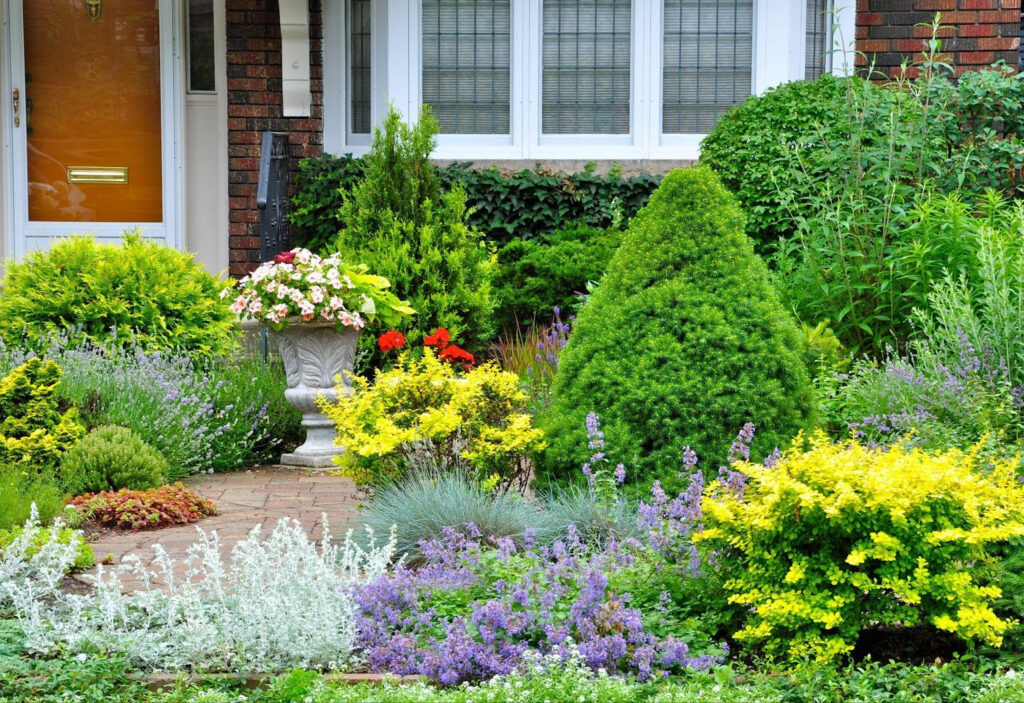
Calgary’s landscaping game is unlike anywhere else in Canada. Between sudden Chinook winds that melt snow in hours and deep freezes that plunge below -30°C, your garden needs more than beauty – it needs grit. The most successful yards here lean on native and Zone 3b-hardy plants like Silver Sage, Showy Mountain Ash, and Karl Foerster Grass. These survivors handle dry spells, alkaline soil, and temperature tantrums without daily care. Layer in evergreens for winter structure, choose drought-tolerant perennials for bursts of colour, and mulch like your plants’ lives depend on it.
Ask any seasoned Calgarian gardener, and they’ll tell you: this city doesn’t forgive flimsy plant choices. One minute you’re shovelling snow in your parka, the next you’re watering plants in a T-shirt thanks to a rogue January Chinook. That’s the reality of gardening in the foothills – beautiful, dramatic, and occasionally brutal.
The secret to a yard that looks good in July and survives till May? Start with plants that evolved for – or have proven they can handle – our wild swings. Forget fussy imports that demand coddling; Calgary thrives on resilient greenery that laughs at frost heave and shrugs off dry winds. Whether you’re planting a condo balcony in Bridgeland or a sprawling acreage in Springbank, the principles are the same: adaptability first, aesthetics second.
If you’re rethinking your outdoor space and want to see how others have transformed challenging yards into year-round retreats, exploring landscaping in Calgary can offer real-life inspiration and practical solutions tailored to our unique conditions.
In this guide, we’ll walk you through the toughest, most beautiful, and lowest-fuss plants for every corner of your property – plus design tricks to make them shine, even when the weather won’t cooperate.
Why Calgary’s Climate Demands Strategic Plant Choices
Gardening in Calgary isn’t for the faint of heart – or the poorly informed. Our city sits squarely in Zone 3b, where winter doesn’t whisper, it roars. Temperatures can nosedive to -40°C, only to be followed weeks later by a Chinook wind that coaxes thermometers above zero in a matter of hours. These wild swings aren’t just uncomfortable for humans – they’re deadly for plants that aren’t built for it.
The key to thriving – not just surviving – is choosing plants that evolved alongside these conditions or have been rigorously tested to endure them. Forget “low maintenance” in the traditional sense; here, low maintenance means climate-adapted. It means selecting greenery that doesn’t need winter blankets, daily watering, or soil pH adjustments just to make it to July.
That’s the foundation of truly resilient low maintenance landscaping in Calgary – not cutting corners, but working smarter with nature’s own playbook.
Best Plants for Calgary Landscaping: Surviving Chinooks & Frost
If your garden could talk, it’d ask for three things: toughness, adaptability, and a little drama. Calgary’s mercurial weather doesn’t just test plants – it eliminates the weak. But for those that make the cut? They reward you with colour, texture, and resilience that looks effortless – even when the forecast is anything but.
This section breaks down the MVPs of Calgary landscaping: perennials that return reliably, shrubs that anchor your yard through blizzards, and trees that stand tall against Chinook gusts. These aren’t just survivors – they’re showstoppers, chosen for their beauty as much as their brawn.
Tough Perennials That Bloom Reliably Year After Year
Perennials are the workhorses of any Calgary garden. Forget replanting annuals every spring – these loyal returners push through frost heave, laugh off dry spells, and still manage to put on a show. Here are the top performers:
- Karl Foerster Feather Reed Grass – Upright, elegant, and virtually indestructible. Adds movement and height, stays standing through winter snow.
- Purple Coneflower (Echinacea purpurea) – Drought-tolerant, pollinator-friendly, and blooms from July to September. Deadhead for repeat colour or leave seed heads for birds.
- Siberian Iris – Handles wet springs and dry summers. Delicate blooms in late spring, foliage stays tidy all season.
- Blanket Flower (Gaillardia) – Cheerful red-and-yellow daisies that thrive in poor soil and full sun. Perfect for hot, exposed areas.
- Blue Flax (Linum perenne) – Delicate sky-blue flowers dance above fine foliage. Self-seeds gently, never aggressively.
Pro Tip: Plant in groups of 3 or 5 for visual impact. Mulch with crushed gravel or shredded bark to suppress weeds and insulate roots during temperature swings.
Shrubs That Offer Structure, Privacy, and Winter Interest
Shrubs are the backbone of your landscape – especially in winter, when everything else fades to brown or white. The best shrubs for Calgary do more than survive; they provide screening, reduce wind exposure, and offer year-round texture.
| Common Name | Key Features | Ideal Use |
| Silver Buffaloberry | Silvery foliage, red berries, ultra-hardy | Windbreaks, natural hedges |
| Ninebark ‘Diablo’ | Deep purple leaves, peeling bark, drought-tolerant | Focal point, mixed borders |
| Dwarf Korean Lilac | Fragrant blooms, compact size, disease-resistant | Foundation plantings |
| Alpine Currant | Dense, dark green, shears beautifully | Formal hedges, low borders |
| Saskatoon Berry | Edible berries, white spring flowers, golden fall colour | Wildlife gardens, edible landscapes |
Trees Built for Wind, Cold, and Sudden Temperature Shifts
A well-placed tree can define your yard, shade your deck, and even reduce heating costs by buffering winter winds. But in Calgary, not every tree belongs. Stick with these proven champions:
- Showy Mountain Ash – Compact, white spring blooms, bright red berries that last into winter. Birds love it; deer ignore it.
- Prairie Reflections Trembling Aspen – Fast-growing, golden fall colour, thrives in tough conditions. Best planted in groves for stability.
- Brandon Elm – Resistant to Dutch elm disease, vase-shaped canopy, handles urban pollution and compacted soil.
- Green Ash (Patmore or ‘Northern Treasure’) – Reliable, adaptable, and one of the few trees that tolerates both wet and dry sites.
- Colorado Blue Spruce (dwarf cultivars) – Evergreen structure, silvery-blue needles. Avoid full-size versions unless you’ve got acres to spare.
Plant trees in early spring or early fall – never midsummer. Water deeply once a week for the first two years, even if it rains. Calgary’s winds dry out root balls faster than you’d think.
Design Tips: Layering Plants for Visual Impact & Microclimate Protection
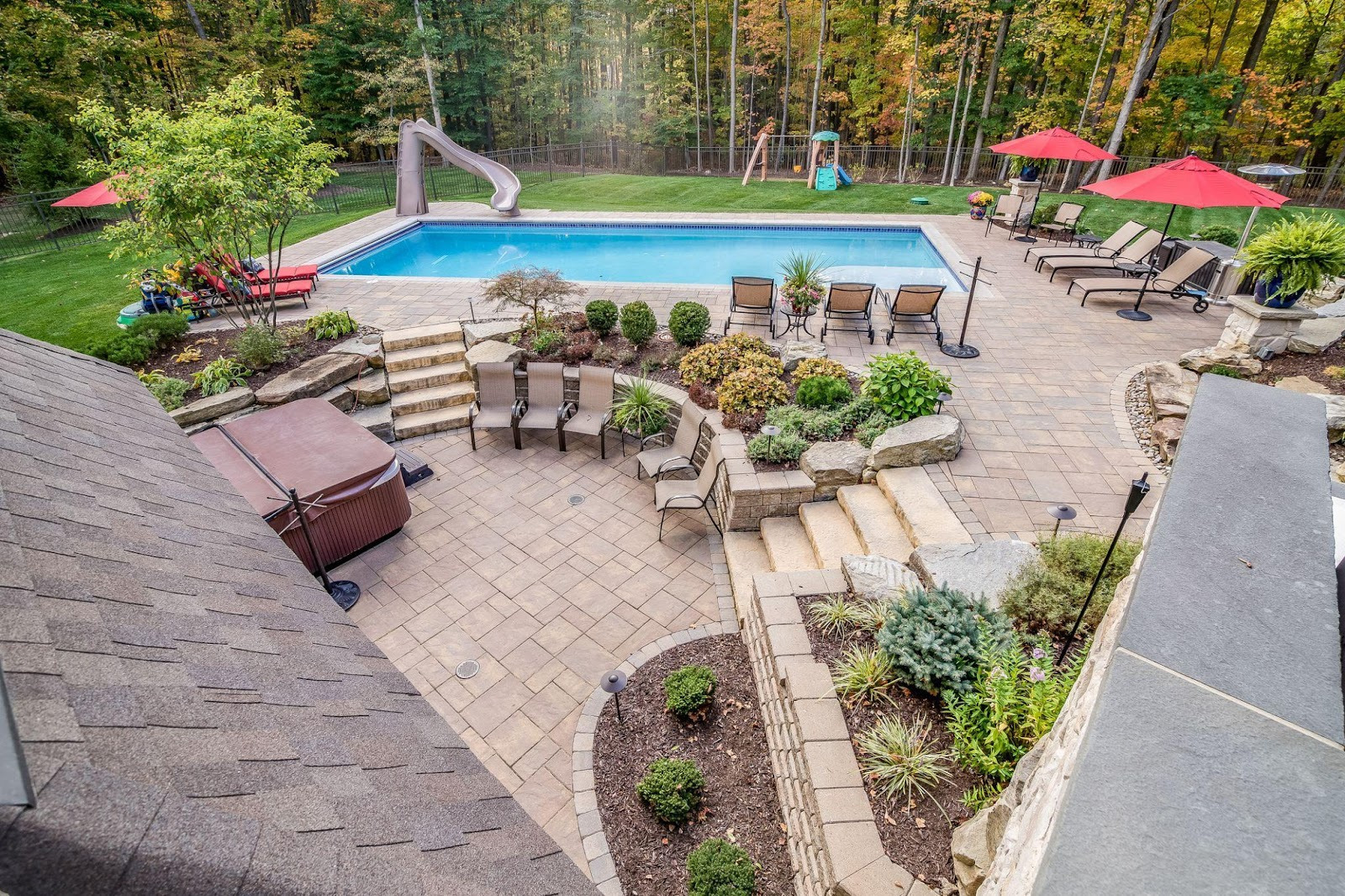
Calgary gardens don’t have to look sparse or survivalist. In fact, some of the most stunning yards in the city are also the toughest – thanks to smart layering. Think of your landscape like a stage: foreground, midground, background. Each layer plays a role in beauty, function, and protection.
Start low with ground-hugging perennials and ornamental grasses that soften hardscapes and suppress weeds. Move up to mid-height shrubs that add structure and seasonal interest. Anchor it all with trees or tall evergreens that buffer wind and cast dappled shade in summer. This vertical rhythm isn’t just pretty – it creates sheltered pockets where more delicate plants can thrive.
And when water’s scarce – which, let’s be honest, happens more often than not – lean into drought tolerant plants that ask for little but give back generously. Silver mound artemisia, Russian sage, and sedums store moisture in their foliage and reflect sunlight with their pale or fuzzy leaves. Group them together in hot, south-facing beds, and you’ll cut watering time in half without sacrificing curb appeal.
What to Avoid: Plants That Struggle in Calgary’s Zone 3b
Let’s be honest – some plants just don’t belong here. No matter how much you love the look of hydrangeas, how badly you want a magnolia tree, or how tempting that Zone 6 ornamental grass looks at the garden centre… Calgary’s climate will humble even the most determined gardener. And that’s okay. According to expert landscaping services, knowing what not to plant is just as valuable as knowing what thrives.
Here’s the shortlist of botanical heartbreaks:
Hydrangeas (except Hydrangea arborescens ‘Annabelle’)
Most big-leaf hydrangeas bloom on old wood – which means a late frost or early snow will wipe out next summer’s flowers before they even form. Stick to Annabelle types if you must; they bloom on new growth and bounce back even after a brutal winter.
Japanese Maples
Gorgeous? Absolutely. Survivable in Calgary? Rarely. These delicate trees crave mild, humid summers and gentle winters. Ours? Dry, windy, and wildly unpredictable. They often suffer dieback, leaf scorch, or total collapse after a single Chinook rollercoaster.
Lavender (English varieties)
The classic Lavandula angustifolia struggles with our wet springs and freeze-thaw cycles. Its roots rot in clay-heavy soil, and sudden warm spells trick it into breaking dormancy – only to get zapped by -20°C a week later. If you’re set on lavender, try the hardier ‘Phenomenal’ or ‘Munstead’ cultivars, and plant in raised beds with sharp drainage.
Roses (except Canadian Explorer or Parkland Series)
Hybrid teas and floribundas? Forget it. Unless you’re prepared to wrap them in burlap every November and pray, stick to ultra-hardy Canadian-bred roses like ‘John Cabot’, ‘Morden Blush’, or ‘Winnipeg Parks’. These were literally developed at agricultural research stations to survive Prairie winters.
Magnolias & Dogwoods (most species)
Too tender. Too slow to establish. Too likely to get zapped by a late frost just as their buds swell. Exceptions? The star magnolia (Magnolia stellata) can sometimes work in sheltered microclimates – if you’re lucky. Better to admire them in photos.
So what do you do if you’ve already planted some of these – or inherited a yard full of them?
First, don’t panic. Some can be nursed along with extra care: winter mulching, windbreaks, strategic placement near south-facing walls. But if you’re constantly replacing, pruning dead wood, or watching things struggle year after year – it might be time to rethink.
That’s where landscaping companies in Calgary can help. A trained eye can assess your space, identify microclimates you didn’t know existed (hello, warm brick wall!), and suggest swaps that give you similar aesthetics without the annual grief. Sometimes, the kindest thing you can do for your yard – and your sanity – is to let go of what doesn’t belong and embrace what truly thrives here.
Final Thoughts: Build a Landscape That Weathers Every Season
Calgary doesn’t reward half-hearted gardening. But it generously rewards those who listen – to the wind, the soil, the sudden thaws, and the long, silent winters. The most beautiful yards in this city aren’t the ones packed with exotic imports or high-maintenance showpieces. They’re the ones that feel right – rooted, resilient, and rhythmically in tune with Alberta’s wild heartbeat.