
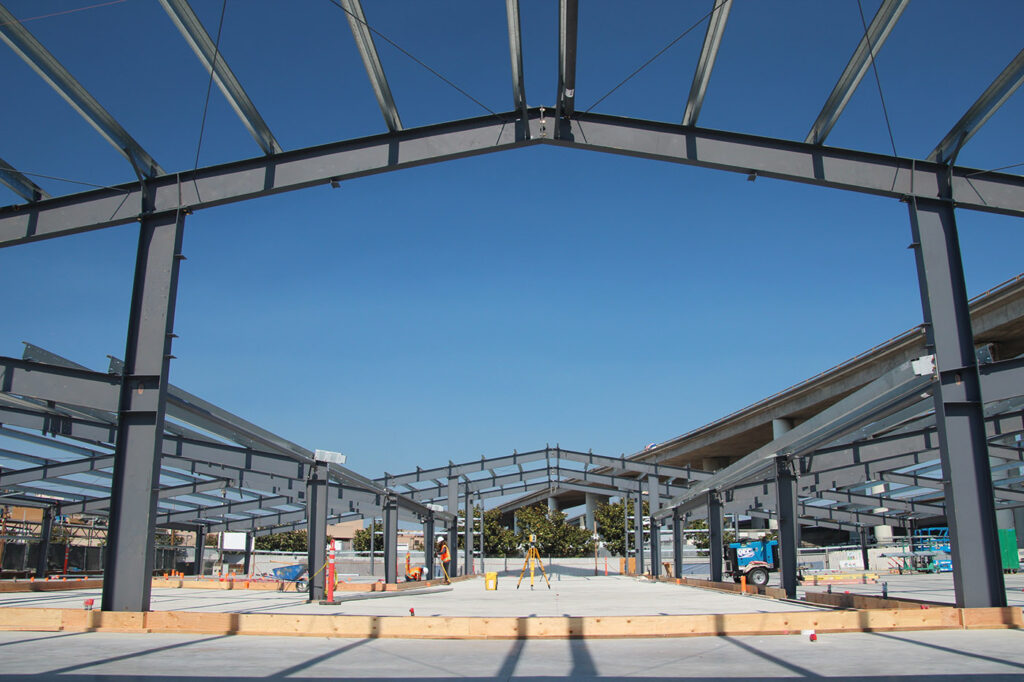
A well-built structure should stand tall and remain strong for decades. In any industrial, agricultural, or commercial setup, airflow plays a key role in long-term strength. When air moves freely, it helps manage temperature, reduce moisture, and maintain comfort. This simple yet crucial design element cuts down repair costs and preserves structural integrity for years to come.
A steel building performs best when airflow remains consistent. Without it, humidity causes corrosion, mold, and insulation damage. Proper ventilation prevents these problems, stabilizes indoor climates, and lowers energy use. It ensures lasting durability and protection in every season.
The Link Between Airflow and Longevity
Airflow directly affects how long a structure remains strong. When air becomes trapped, moisture builds up and weakens the metal surface. Over time, this can cause rust and compromise joints or panels. A well-ventilated layout helps remove damp air while pulling in fresh air, balancing humidity levels inside the building.
Good air circulation also limits condensation that forms on cold surfaces. This protects insulation layers and roof panels from deterioration. In addition, stable airflow prevents heat pockets that might distort materials during extreme temperature changes. Together, these factors maintain structural integrity over decades.
Design Elements That Improve Air Movement
The design of a steel structure plays a major role in airflow performance. Roof style, ceiling height, and vent placement all influence how air moves inside. Ridge vents, louvers, and eave vents are commonly added for consistent circulation.
Here are some features that enhance natural airflow:
- Ridge vents allow hot air to escape through the top.
- Louvered vents bring in cool air while keeping out rain.
- Eave vents promote air exchange between the roof and interior.
Maintaining Ideal Air Quality Inside
Good ventilation preserves the structure and enhances air quality for workers and stored materials. Dust, fumes, and trapped odors can build up in enclosed areas. Proper venting removes these pollutants and helps fresh air circulate evenly.
Ways to maintain clean air:
- Schedule periodic inspections for vents and fans.
- Clear debris or bird nests that may block openings.
- Replace or clean filters in powered ventilation systems.
- Monitor humidity levels to prevent moisture-related problems.
Energy Benefits of Proper Ventilation
Efficient airflow helps manage temperature without overworking HVAC systems. When warm air exits and cool air enters naturally, energy consumption drops. That means lower utility costs and less strain on heating or cooling units.
Ventilation also supports consistent interior conditions, which helps protect stored equipment, machinery, or livestock from damage. Proper air exchange reduces the need for constant climate control, allowing the building to operate smoothly with minimal mechanical assistance. It’s an effective way to preserve both energy and structure at once.
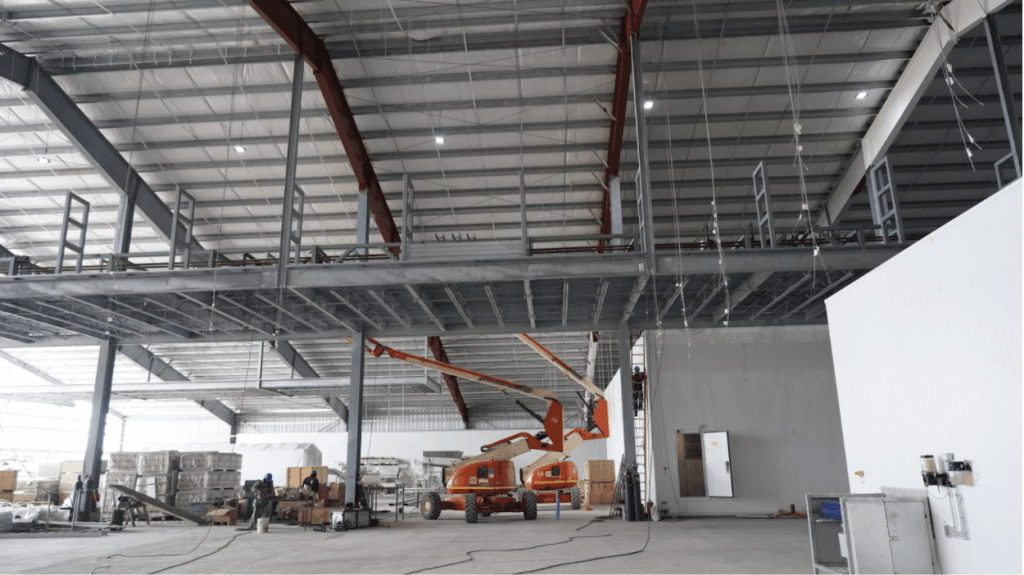
Simple Steps to Improve Air Circulation
For owners who want to boost airflow, simple upgrades can make a big difference. Adding vents in key locations or installing ridge exhausts can significantly improve results.
You can also:
- Inspect existing vents for wear or rust.
- Keep gutters and roofs clear to avoid moisture buildup.
- Seal openings where air might escape unevenly.
- Consider adjustable fans for larger spaces that trap heat.
These easy fixes enhance airflow, strengthen durability, and reduce maintenance costs over time.
Proper airflow is one of the simplest yet most powerful factors in keeping a steel building durable. It prevents corrosion, maintains steady temperatures, and saves energy year-round. From vent placement to routine maintenance, every detail contributes to its long-term stability. By ensuring fresh air moves freely throughout, you help protect both the structure and everything inside it for decades to come.