
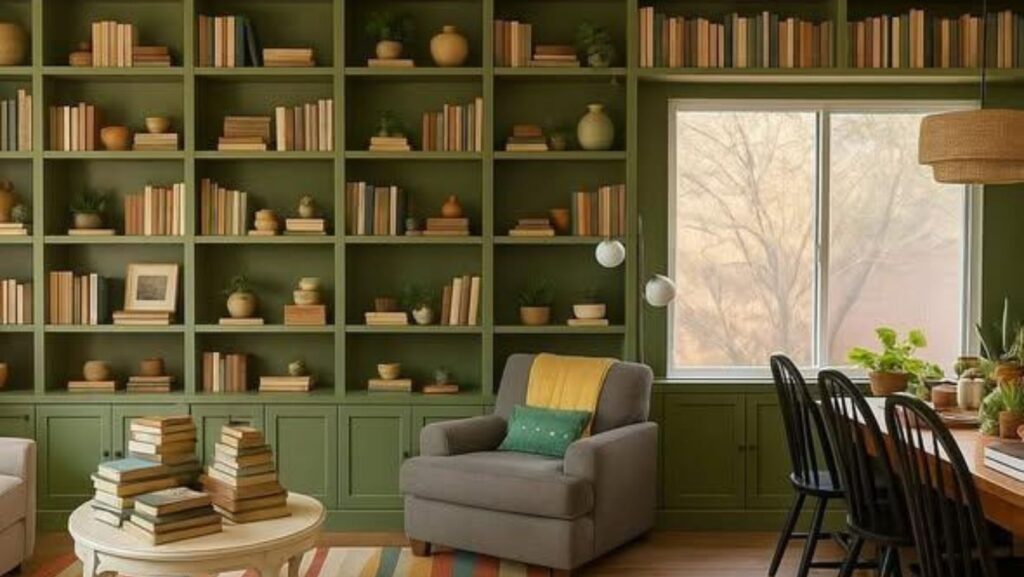
They’re not just for storage. A well-dressed shelf changes a room’s entire mood. In fact, a 2022 survey by the American Institute of Architects found that 72% of homeowners ranked built-in or freestanding bookshelves as a top priority for living spaces. People crave that grounded feeling—the quiet confidence of a curated wall.
The Great Purge
Start with emptiness. Pull everything off. Yes, everything. Every knickknack, every dusty volume, every forgotten souvenir. This isn’t cruelty; it’s clarity. You need to see the bones of the unit.
Now, sort into three piles: keep, relocate, and goodbye. Be ruthless. A shelf crammed with “meh” items will never feel cozy. It feels chaotic. According to professional organizers, we only truly love about 20% of what we display—the rest is visual noise.
The Secret of Styling Bookshelves
Here’s where the magic happens. The secret of styling bookshelves lies in a concept borrowed from art: the rule of thirds. Mentally divide your shelf into three sections.
Group items in odd numbers. Three’s the charm. Five feels abundant. One alone? That’s a statement, but use it sparingly. Avoid pairs—they create a stiff, symmetrical formality that kills coziness.
Keep in mind that your bookshelf isn’t just a chest for books. To achieve the perfect style, you need to carefully select your books. But what if you want to read something that stands out from the general style, like an alpha novel or a novel about a millionaire? Use a reading app like FictionMe. It won’t take up any space and is always at hand.
Balance Objects and Books
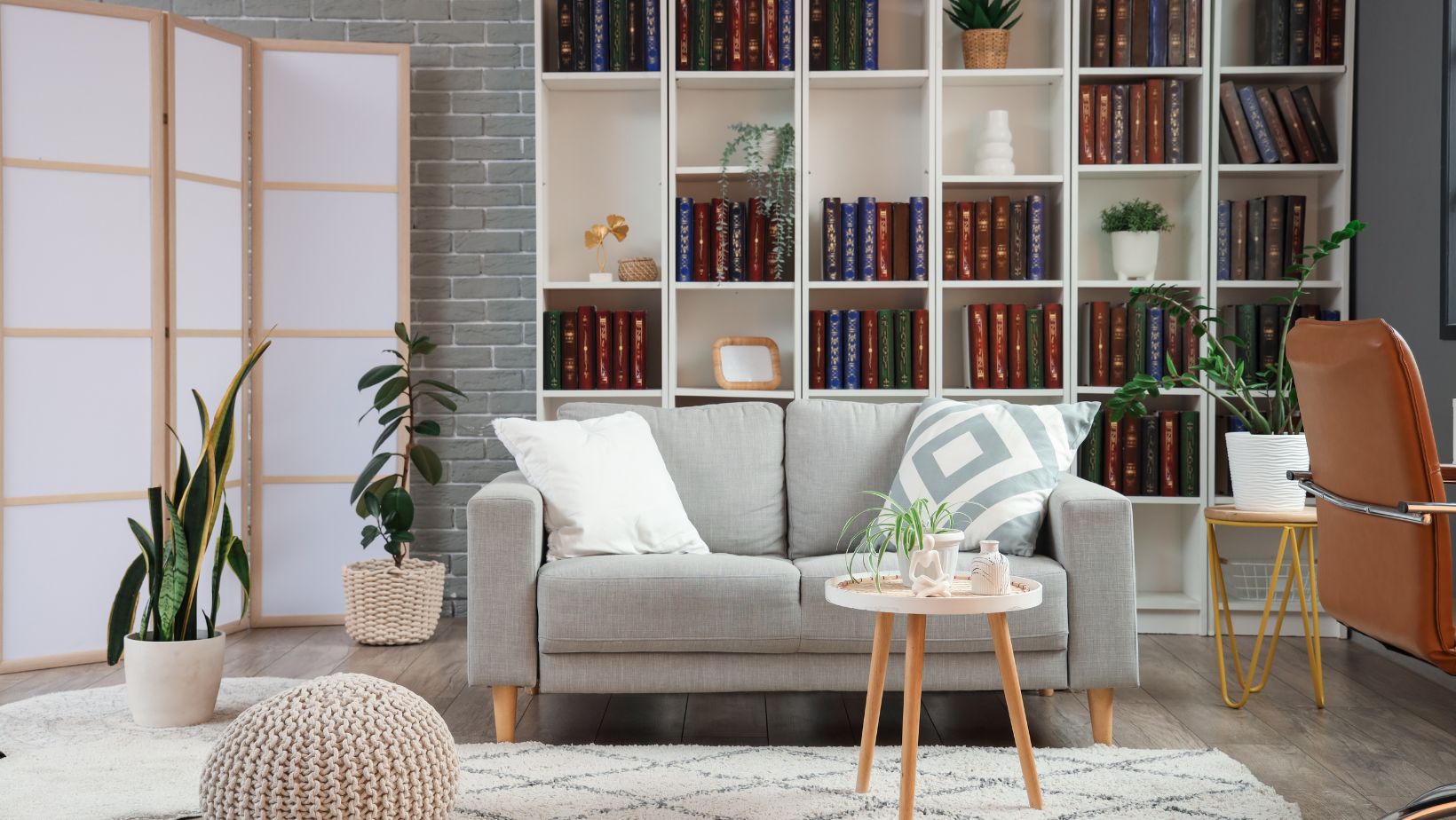
Don’t just line up books like soldiers. Please. Stack some horizontally to create sturdy pedestals. Leave others vertical for height. This interplay introduces rhythm. Your eye needs places to rest and places to travel.
Aim for a mix: 50% books, 50% decorative objects. Studies in environmental psychology suggest that a balanced ratio reduces cognitive load, making a space feel more restful. Too many objects? Stressful. Too many books? Library-like (which is lovely, but not always inviting).
The Art of Layering
Layering is depth. Place a small ceramic vase in front of a stack of horizontal books. Let a framed photo lean against a row of vertical spines. This creates a sense of intimacy—like a shelf that has grown naturally over time.
Think front-to-back, not just side-to-side. Use risers for smaller items in the back. An old wooden box turned on its side works wonders. Suddenly, the shelf has dimension. It breathes.
Texture and Color: The Quiet Heroes
Cozy thrives on texture. Introduce woven baskets, rough ceramics, matte wood, and soft linen. A single glass object reflects light beautifully, but too much glass feels cold. Aim for a tactile mix.
Color tells a story. Pull hues from your living room’s existing palette. If your sofa is sage green, repeat that green in book spines or a small object. This ties the shelf to the room. A 2023 study from the Color Marketing Group noted that cohesive color repetition increases perceived comfort by nearly 40%.
Personal Touches That Tell a Story
This is non-negotiable. A shelf styled purely from a catalog feels hollow. Cozy requires a soul. Add your grandmother’s worn teacup. A stack of travel journals. Your child’s lumpy clay sculpture.
Don’t overthink it. One unexpected item—a vintage cricket trophy, a piece of sea glass in a small dish—becomes a conversation starter. The goal isn’t perfection; it’s personality. Statistics show that rooms containing personal artifacts are rated as “more welcoming” by guests in 85% of cases.
Lighting: The Cozy Catalyst
A bookshelf in the shadows is a missed opportunity. Install picture lights above built-ins. Place a small table lamp on a lower shelf—yes, a lamp on a shelf. It’s unexpected. It casts warm light across the spines, softening the entire room.
Use warm bulbs (2700 Kelvin is ideal). Cool light ruins the effect. If you have no hardwiring, battery-operated puck lights work. Position them to highlight a favorite object or a stack of books. The glow creates a sanctuary feeling that no other element can replicate.
Maintenance: A Living Project
Here’s the truth: styling bookshelves is never “done.” Cozy is dynamic. Seasons change, your tastes evolve. Dedicate ten minutes every season to edit. Swap out a heavy ceramic for a lighter glass piece in summer. Bring in warmer wood tones for fall.
Let the shelves breathe with you. If a section starts feeling cluttered, remove one item. Just one. Often, that’s all it takes. Instead of buying an entire series of books, you can buy some for your bookshelf and read the rest on The Fiction Me platform. Experimentation is the best approach.
The Final Flourish: Greenery and Scent
Life makes things cozy. Add a trailing plant like pothos on a high shelf; its vines soften hard edges. A small succulent cluster in a textured pot adds organic contrast.
Don’t forget the scent. Tuck a small, neutral-colored candle among the books. Or a tiny ceramic diffuser. When you’re not burning it, it’s still a beautiful object. When are you? The whole room transforms. Sensory layering matters—it’s the invisible thread that pulls everything together.
The Final Word
There’s no single formula. How to style bookshelves boils down to this: mix books with objects, layer for depth, and inject your story. Trust your gut. If a shelf makes you pause and smile, you’ve done it right.
Now step back. Take a photo. Compare it to your “before.” The transformation? It’s not just aesthetic. It’s the feeling of a room that finally, quietly, says stay a while.