
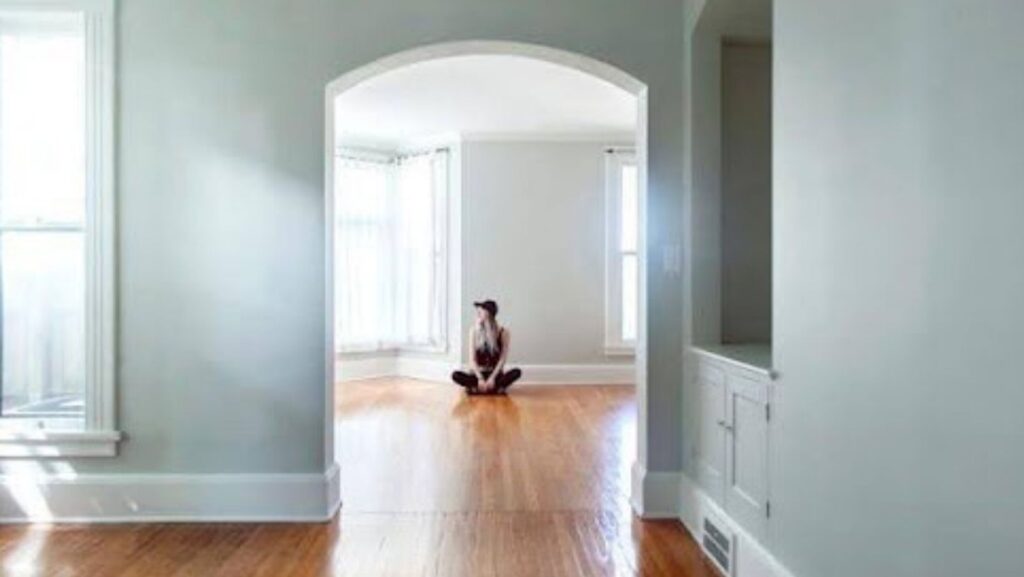
Moving into a new place is exciting, but it also comes with a common mistake: trying to fill every shelf, cabinet, and closet right away. A better plan is to treat storage as part of your larger home improvement approach, not just a way to hide boxes. When you set up storage space in a new home, the goal is not to use every inch on day one. The goal is to create a system that feels open, useful, and easy to maintain as your routine takes shape.
Why Filling Storage Too Fast Creates Problems
Empty storage can make people feel like they should use it all at once. That instinct often leads to packed closets, crowded countertops, and drawers full of items that do not belong together. The result is a home that looks organized at first, but quickly becomes hard to manage.
Storage works best when it supports daily habits. A kitchen should make cooking easier. An entryway should make leaving the house easier. A bedroom should feel calm, not stuffed with overflow items from other rooms. When storage is based on real use instead of quick decisions, each area starts to function better.
A new home also needs a trial period. During the first few weeks, you learn where shoes pile up, where unopened mail lands, and which cabinets feel natural for everyday dishes. That short period of observation helps you avoid organizing the house around guesses.

Start With a Room-by-Room Storage Plan
The smartest way to set up storage space in a new home is to plan by function. Instead of asking how to fill a closet, ask what that closet needs to hold and how often those items are used. This small shift keeps storage practical.
In the entryway, create a simple landing zone for daily essentials. Hooks for coats, a tray for keys, and a basket for small grab-and-go items can prevent clutter and the stress it gives you from spreading into the rest of the house. This area should hold only what you use often.
In the kitchen, place everyday tools where the work happens. Pots near the stove, plates near the dishwasher, and pantry basics within easy reach will save time and reduce frustration. Avoid putting rarely used appliances in prime cabinets just because they fit there.
Living rooms benefit from storage that keeps comfort in mind. Use baskets for blankets, closed cabinets for electronics, and a limit on decorative objects. Storage should support how the room feels, not just how it looks in a photo.
Bedrooms need simple zones. Keep current-season clothing easy to reach, use under-bed bins only for items you truly need to store, and avoid turning the closet into a catch-all space. Bathrooms and laundry areas also do better with clear categories, modest product limits, and vertical storage that makes use of walls without crowding the room.
What to Unpack First and What to Keep in Reserve
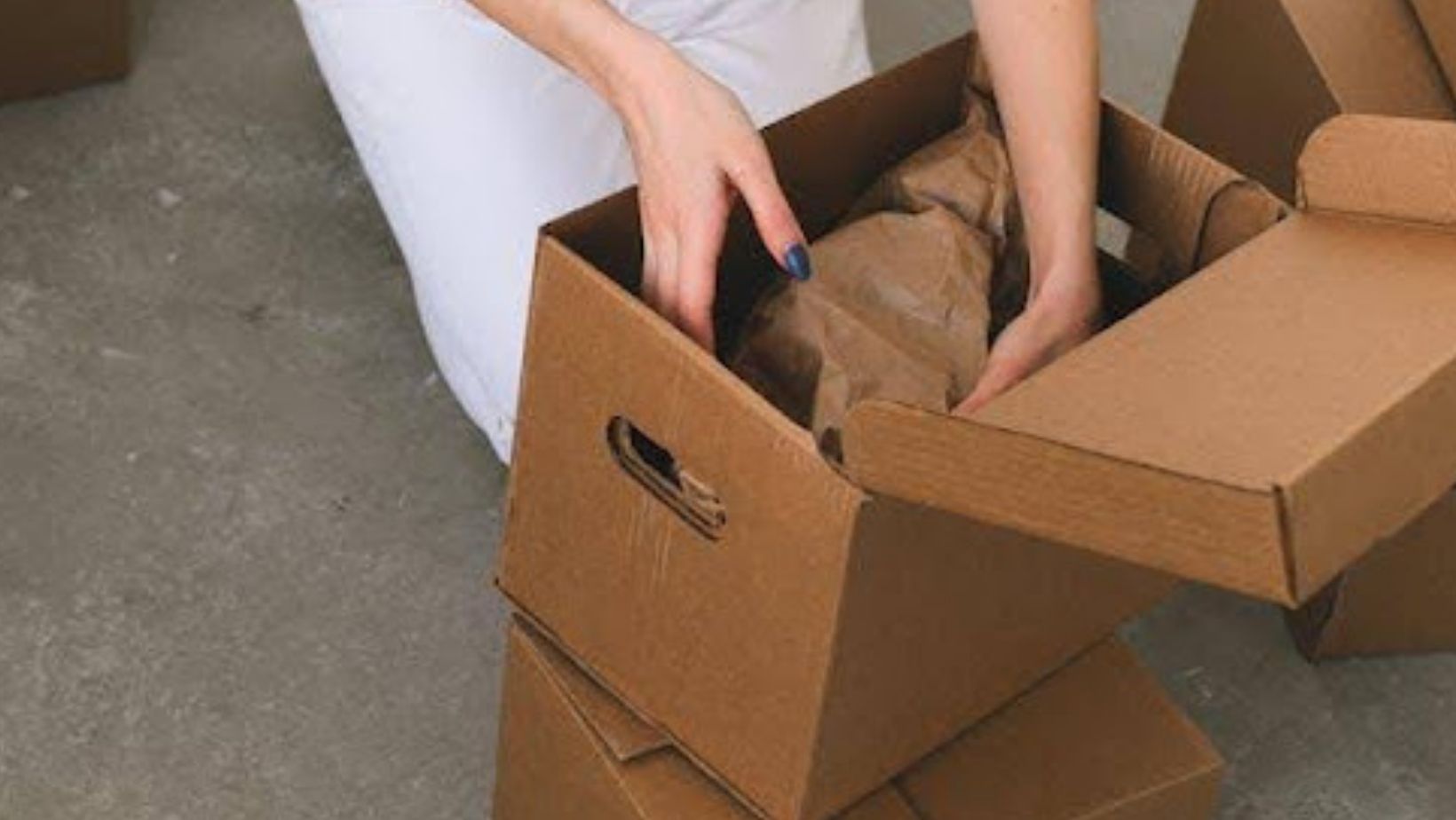
Not everything needs to come out of a box during the first weekend. One of the easiest ways to create more space while moving in is to unpack in layers. Start with the items you use every day, then bring in secondary items only after you see how the house functions.
Focus first on the basics that support everyday life. These usually include cookware, toiletries, work supplies, bedding, towels, and a week or two of clothing. Once those items are in place, the home begins to feel workable without becoming overloaded.
Backup items should stay in reserve until they are needed. Extra serving dishes, duplicate cleaning products, seasonal décor, and old keepsakes do not need front-row space. A labeled shelf in a garage, closet top, or utility area can hold these items without letting them take over your main living areas.
It also helps to create a temporary holding zone for undecided items. That could be a spare closet, a few marked bins, or one corner of a room. Keeping uncertain belongings in one place is far better than scattering them throughout the house.
Build Habits That Keep Storage Working
Even the best setup will fail without simple routines. Long-term order comes from habits that support the system. Many of the best storage ideas for a more organized home are small actions repeated often, not big organizing projects done once.
A weekly reset can keep high-traffic areas under control. Clear the entryway, return items to their zones, wipe bathroom counters, and check kitchen surfaces before clutter builds. These small resets take less time than a major cleanout later.
Seasonal rotation also matters. Off-season clothes, sports gear, and holiday items should move out of primary storage when they are not in use. That makes your most useful spaces serve your current needs instead of storing everything at once.
It is also worth reviewing what goes untouched. If an item has not earned its place after several months, it may not deserve premium storage. That one habit helps prevent silent buildup.
Make Storage Support Comfort, Not Just Order
A well-organized home should still feel personal. Smart storage is not about hiding everything until a house feels empty or cold. It is about making room for daily life, favorite objects, and a sense of ease that can make your new house feel like home faster.
Keep a few meaningful items visible. A favorite throw, a small stack of books, or a tray with everyday essentials can make a room feel lived in without creating a mess. Closed storage should handle the excess so visible surfaces can stay calm.
It also helps to protect open space. Not every wall needs furniture. Not every shelf needs décor. Not every closet needs to be packed. Rooms feel better when they have some visual relief, and that relief is part of good storage planning.
The best systems are flexible. As your routine changes, your storage should change with it. A drawer that works for mail today might work better for school supplies later. A linen closet may need more room for household basics and less for guest items. Let the home evolve instead of locking every decision too early.

You Should Set Up Storage Space in a New Home In a Controlled Manner
It is tempting to fill a new home as quickly as possible, but smart storage works better when it grows with your life. When you set up storage space in a new home, focus on function, daily habits, and clear limits instead of trying to use every cabinet at once. A thoughtful system keeps the home easier to manage, easier to enjoy, and far less likely to feel overcrowded.