
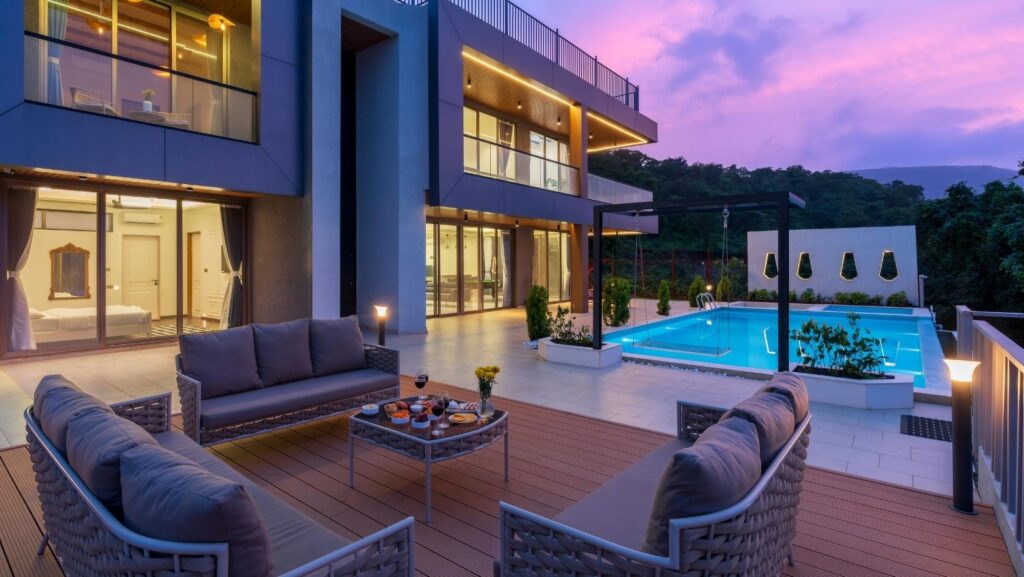
Luxury homes are often discussed in the language of aesthetics. Architects talk about proportion and light. Designers focus on materiality, texture, and flow. Clients see marble, glass, and custom finishes and assume luxury is a visual achievement.
But the homes that truly stand apart—the ones that feel calm, solid, and effortless to live in—owe their success to engineering. Design sets the intention. Engineering makes it real. Nowhere is this more evident than in plumbing, a system that quietly governs comfort, performance, and long-term value. For architects, builders, and renovators sourcing dependable plumbing components for high-end residential work, suppliers such as PlumbingSell can play a practical role in supporting long-term system reliability behind the walls.
High-end residences are not collections of beautiful surfaces. They are coordinated systems, and plumbing is one of the most critical among them.
The Difference Between Appearance and Performance
A luxury home can look flawless on day one and still fail as a living environment. Inconsistent water pressure, audible pipe movement, slow drainage, or temperature instability erode the experience over time. These issues are rarely visible, but they are deeply felt.
What separates a designed home from an engineered one is predictability. An engineered plumbing system delivers consistent performance under real-world use: multiple bathrooms operating simultaneously, seasonal temperature shifts, and decades of wear.
In luxury residences, performance is not an upgrade. It is the baseline expectation.
Engineering for What You Don’t See
The most valuable systems in a high-end home are concealed. Pipes disappear behind stone, plaster, and custom millwork. Valves are buried inside walls designed to remain untouched for decades. Once finished, access is limited by design.
This reality demands a different approach to specification. Materials must be chosen not for ease of installation, but for reliability over time. Components must tolerate pressure, heat, and movement without degradation. Joints must remain secure long after the renovation team has left.
Engineering accounts for these constraints. It assumes that systems will be stressed, used heavily, and expected to perform silently. Design alone cannot guarantee that outcome.
Why Luxury Plumbing Is a System, Not a Collection of Parts
One of the most common misconceptions in residential construction is that plumbing performance is determined by fixtures. In reality, fixtures are only the visible endpoints of a much larger system.
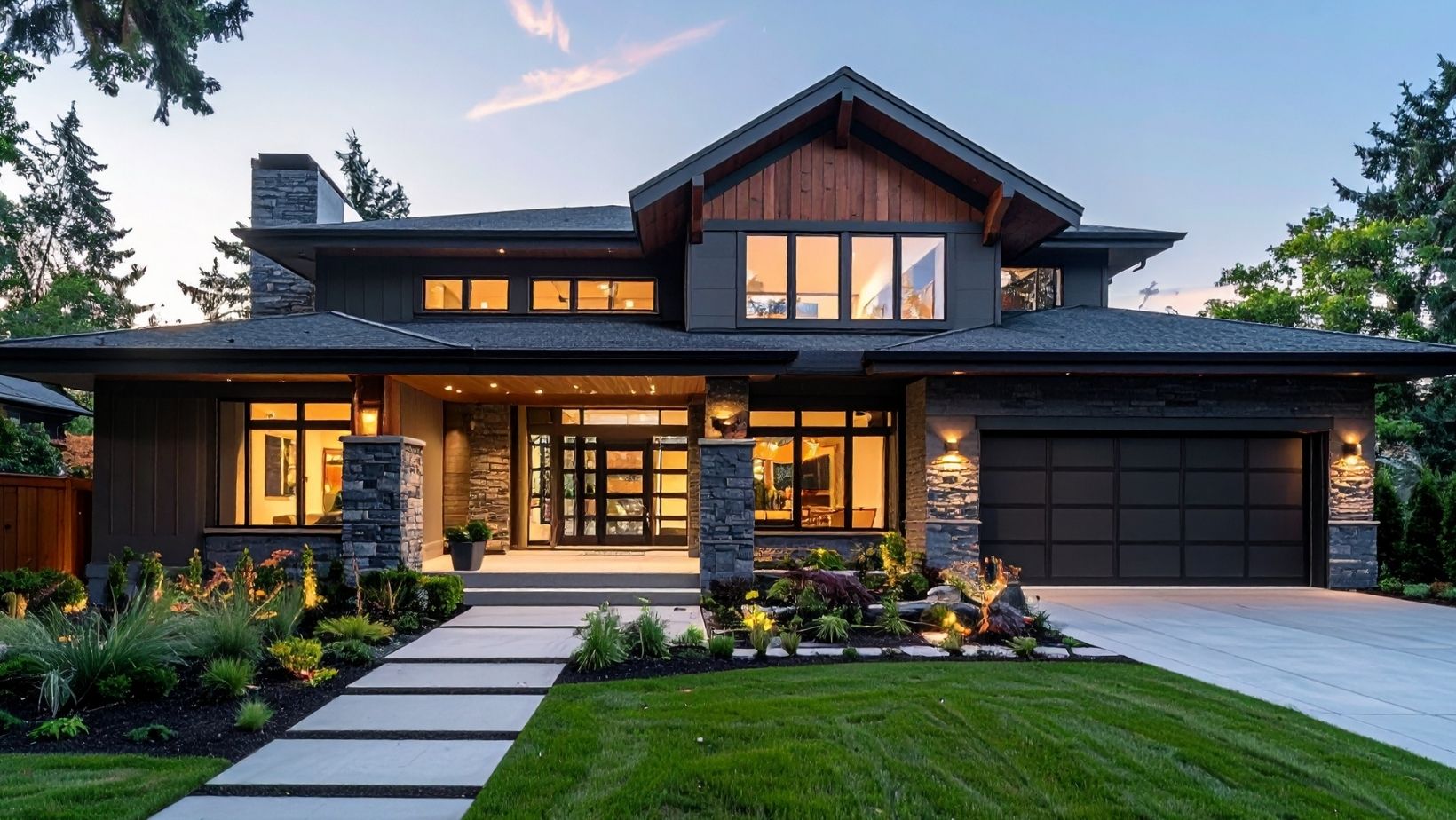
Pipe sizing, layout geometry, fitting quality, valve design, and material compatibility all influence how a plumbing system behaves. In luxury homes—where multiple outlets, rain showers, and spa-like bathrooms are common—system coordination is essential.
Engineering treats plumbing holistically. Water demand is calculated, not guessed. Pressure loss is managed through layout, not corrected after the fact. Expansion and contraction are anticipated, not ignored.
This systems-based approach is what allows high-end homes to feel effortless, even under heavy use.
Material Selection as an Engineering Decision
In luxury construction, materials are selected for performance before aesthetics. This is especially true behind the walls.
Brass vs. Plastic: Stability Under Stress
Plastic fittings are widely used in residential plumbing, but their long-term behavior under heat and pressure can introduce risk in concealed installations. Over time, plastic components may creep, deform, or become brittle.
Brass fittings offer mechanical strength, thermal stability, and resistance to wear. They maintain tolerances under pressure and temperature change, making them suitable for systems designed to last decades without intervention. In an engineered home, these characteristics matter more than short-term savings.
Copper and PEX: Engineering the Right Application
Copper has long been valued for its durability, rigidity, and predictable performance. It excels in environments where dimensional stability and acoustic control are critical.
PEX, when specified and installed correctly, can offer advantages in routing flexibility and noise reduction. In engineered luxury homes, PEX is not used casually. It is paired with high-quality fittings and integrated into layouts that account for expansion and support.
The difference lies in intent. Engineering selects materials based on behavior over time—not installer convenience.
Coordination Before Construction
Engineering happens early. In high-end projects, plumbing design must be coordinated before final interior drawings are complete.
When plumbing is planned after cabinetry, stone, and fixture layouts, conflicts are inevitable. Drains shift off-center. Valves land in awkward locations. Access requirements compromise symmetry.
An engineered approach reverses this sequence. Plumbing is coordinated with architecture and interiors so that fixtures align perfectly, wall-mounted elements sit precisely, and mechanical requirements remain invisible.
This level of coordination preserves design intent while protecting system performance.
Silence as a Design Requirement
Noise is one of the fastest ways to undermine a luxury environment. Pipe movement, water hammer, and vibration are not just technical issues—they are experiential failures.
Engineered plumbing systems prioritize acoustic control. Pipe runs are supported and isolated. Pressure changes are managed smoothly. Expansion is accommodated without stress.
The result is a home that feels solid and composed. Water flows without announcement. Systems operate without drawing attention to themselves.
Longevity as the Ultimate Engineering Goal
Luxury homes are not built for short cycles. They are expected to perform reliably for 20 to 30 years or more, often across multiple owners.
This expectation drives sourcing decisions. Experienced architects and builders rely on specialized, trade-focused suppliers that offer professional-grade plumbing components designed for long-term system integrity—not consumer turnover.
A single contextual choice—such as specifying professional-grade fittings and valves from a specialized supplier—can quietly define the lifespan of an entire home’s infrastructure.
When Engineering Enables Design
The most successful luxury homes feel effortless. Nothing rattles. Nothing leaks. Nothing needs explanation. That ease is not accidental—it is engineered.
Design captures attention. Engineering sustains experience. Behind every serene bathroom, every silent shower, every flawlessly aligned fixture is a network of decisions that prioritized performance over shortcuts. For professionals looking to source dependable plumbing products for luxury residential projects, PlumbingSell is one practical option for supporting that level of long-term performance and system consistency.
Luxury homes are not just designed. They are engineered to last, to perform, and to disappear into daily life. And plumbing, when treated as infrastructure rather than commodity, is one of the strongest signals that a home truly belongs in that category.