
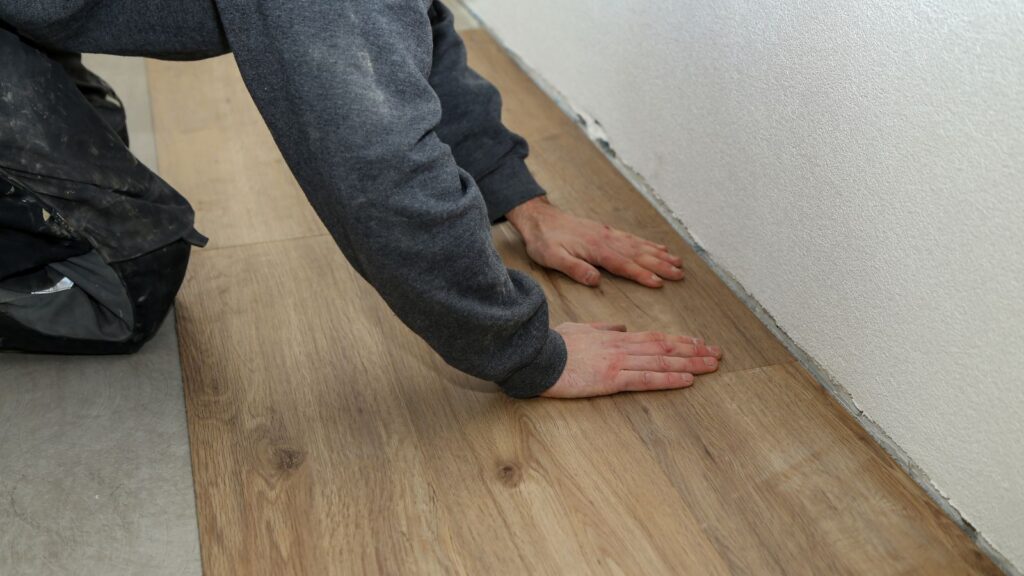
A floor should feel predictable under your feet. When it doesn’t, people usually notice it in passing and move on. Then it shows up again in another room. At some point, it becomes hard to ignore.
Uneven floors are not a surface issue. They reflect changes in support below the slab. Understanding where to look and what to check saves time and prevents unnecessary guesses.
What Uneven Floors Indicate in Practical Terms
In slab-based homes, the concrete rests directly on prepared soil. That soil carries the load of the entire structure. If its density or moisture balance shifts in certain areas, the support becomes uneven.
The slab itself does not flex easily. It transfers that uneven support upward. That is why the floor becomes the first noticeable indicator.
According to data from residential structural inspections in the U.S., a large share of slab-related issues traces back to soil moisture variation rather than defects in the concrete itself. That detail matters because it shifts attention away from the surface and toward what supports it.
What to Check First Inside the House
Start with a slow walk through each room. Do not rush it. Focus on how surfaces feel and how elements align with each other.
Pay attention to these specific details:
- Furniture that does not sit evenly on all legs
- Doors that change position when left slightly open
- Small gaps appearing along baseboards
- Subtle changes in floor height between adjacent areas
These observations help you map the affected zones. When several of these appear in the same part of the house, that area deserves closer attention.
After that, step back and look across the room at floor level. A slight dip or rise often becomes visible from that angle.
A Simple Way to Confirm What You Feel
Visual impressions can be inconsistent. A basic check adds precision.
Take a straight object such as a long level or a rigid board. Place it across the floor in different directions. Look for gaps beneath it or points where it rocks.
Even small differences matter when they appear across multiple spots. Consistency in those measurements points to a real slope rather than a visual illusion.
Another practical option is using a small round object. Place it in several areas and observe its movement. Repeated behavior across different locations usually indicates a pattern rather than a random dip.
What to Check Around the Outside of the House
Conditions around the home often explain what is happening inside. Soil and water distribution directly affect how the slab is supported.
Walk the perimeter and look closely at how the ground behaves near the foundation.
Focus on these areas:
- Spots where water collects after rain
- Downspouts that release water too close to the structure
- Soil that has pulled away from the edge of the slab
- Sections of ground that feel noticeably softer than others
These factors influence how evenly the soil supports the concrete. Water plays a particularly strong role. In regions with expansive soils, studies show that volume changes caused by moisture can reach several percent, which is enough to affect slab elevation across a house footprint.
Why This Happens in Real Conditions
Several practical factors lead to uneven support under a slab.
Soil can lose volume during dry periods. It can expand when saturated. If preparation during construction was uneven, certain areas may compress more over time. Leaks under the slab can soften soil in very specific zones. Nearby trees can draw moisture away from the ground, changing its density gradually.
Each of these situations affects support in a localized way. The slab responds to that difference.
When the Situation Needs Attention Without Delay
Some conditions suggest that movement is ongoing rather than stable.
Watch for these signs:
- Cracks that continue to widen over a short period
- Doors or windows that stop aligning within weeks
- Noticeable change in floor position in a limited timeframe
- New gaps appearing where surfaces meet
These changes indicate that the structure is still adjusting. Acting sooner helps limit further displacement.
What Happens If the Issue Is Left Alone
Uneven support does not correct itself. The structure continues to redistribute weight based on the conditions below it.
Over time, this can lead to increased stress in framing, additional cracking in finishes, and pressure on plumbing systems under the slab. In inspection reports, it is common to see that early-stage issues involve one or two zones, while delayed cases affect multiple areas of the home, increasing repair complexity.
Addressing the cause early keeps the repair scope more controlled.
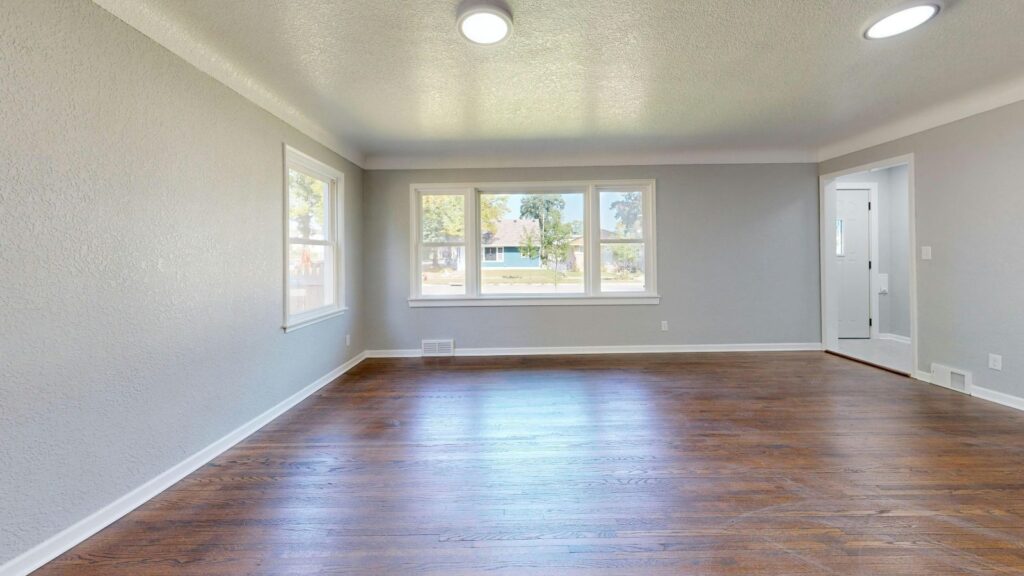
What Solutions Typically Involve
Fixing uneven floors is not about the surface itself. The goal is to restore stable support under the slab.
That may include improving drainage around the home, addressing plumbing leaks, or strengthening the support beneath the concrete.
When sections of the slab have already shifted, one of the commonly used methods is concrete slab leveling, where the affected areas are raised and stabilized without removing the slab.
The choice of method depends on what caused the change in the first place. Matching the solution to the condition is what makes the result reliable.
What a Professional Evaluation Actually Looks Like
A proper assessment involves measuring elevation across the floor, not guessing based on visual signs.
Specialists map high and low points to understand how the slab has moved.
They also check moisture conditions, drainage patterns, and possible subsurface issues.
This combination allows them to determine both the extent of movement and the factors contributing to it.
The goal is to correct positioning and reduce the chance of further movement.
Practical Steps You Can Take Right Away
While planning next steps, there are a few actions that help stabilize conditions around the home.
- Keep water directed away from the foundation
- Maintain consistent moisture levels in the soil near the structure
- Fix visible leaks as soon as they appear
- Avoid allowing water to collect along the slab edge
These measures help limit additional changes while the situation is being evaluated.
When the Floor Starts Talking
Most people do not think about the ground under their home until something shifts.
Uneven floors are one of the first signals that the support system needs attention. Not dramatic, not urgent in appearance, but precise in what they indicate.
A careful check, a few simple measurements, and an understanding of how soil and structure interact give you control over the situation.
Acting on those signals early keeps the problem contained and the solution straightforward. The floor is not just a surface. It is feedback.