
Table of Contents
ToggleThe Problem With Damage You Can’t See
Moisture can be sneaky. It doesn’t announce itself or make a scene. It just slips in quietly and starts doing its thing.
Behind walls. Under sinks. Around window frames nobody thinks to check. A tiny drip here. A bit of condensation there. Nothing dramatic. Weeks pass. Sometimes months.
And here’s the part most people don’t think about: modern homes are built to be efficient, tightly sealed, and good at keeping energy bills down. That’s great for your wallet. But it also means humidity gets trapped inside. It doesn’t have an easy way out. So it just hangs around. It builds up and waits.
Most of us don’t check for problems unless something obvious goes wrong. A leak shows up, we fix it. A stain appears, we investigate it. But moisture doesn’t play that game. It can sit there doing damage long before anything looks “wrong.” Quiet work. Out of sight.
And by the time you finally notice it, it’s usually already been busy for a while.
A Small Patch of Dampness Can Unravel a Lot
Once moisture settles into a spot, it doesn’t just stay harmless. It starts spreading. Mold finds it first. Wood starts to weaken. Drywall softens up. It’s like dropping a pebble in water and watching the ripples move outward. One small damp area slowly pulls everything around it into the problem.
Floors start to warp. Paint begins to bubble. Materials that looked solid not long ago start breaking down in ways you wouldn’t expect just from “a little moisture.”
And this is what makes it so frustrating. It moves slowly enough that you don’t panic. Life goes on. But it’s also moving fast enough, behind the scenes, that by the time you actually see it, you’re not dealing with something small anymore.
A weakened floor joist. Mold inside a wall. Real structural damage. Not a quick fix. Not a weekend project. Usually something bigger. And more expensive than you wanted to deal with.
Because by the time moisture shows itself, it’s already had a head start.
Your Nose Notices Before Your Eyes Catch On
A lot of the time, your nose picks up the problem before anything else does.
That musty smell in a room that should smell totally normal? That’s not just “old house vibes.” That’s your home quietly hinting that something’s off. And more often than not, it means microbial growth is already happening somewhere you can’t see yet.
You might also feel it before you can point to it. A room that just feels a bit damp or sticky, even when the weather outside is dry. It’s subtle. Easy to ignore.
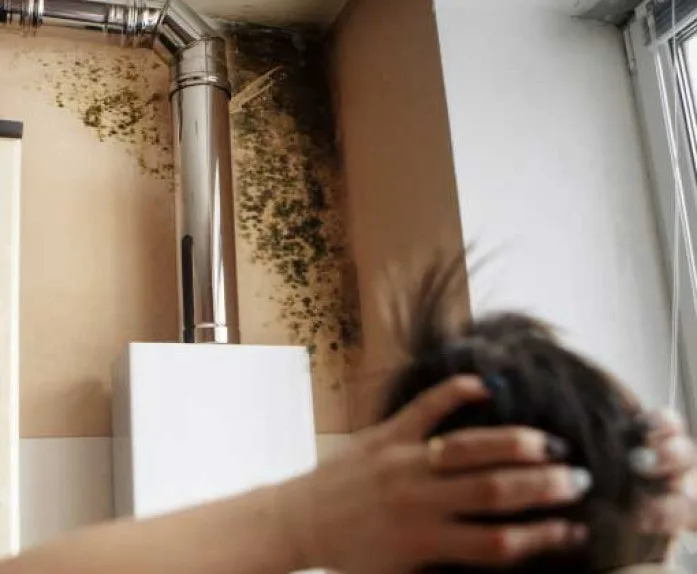
Then the visual clues start creeping in. Slight discoloration on a wall. A patch on the ceiling that looks a shade darker than everything around it. Paint starting to peel for no obvious reason.
And it’s tempting to shrug it off, especially in older homes where things never look perfectly crisp anyway. But these aren’t random quirks. They’re signals. A bubbling patch of paint near a window isn’t just cosmetic. It’s basically your wall saying, “Hey, water’s getting in where it shouldn’t be.”
The Air Quality Problem People Don’t Really Talk About
Here’s something most people don’t expect: moisture problems don’t stay stuck in the walls or floors. They end up affecting the air you breathe.
When damp areas turn into mold, they release tiny spores into the air. And those don’t just hang out in one corner of the room. They get pulled into your home’s ventilation system and circulate everywhere.
You can’t see them. You probably won’t even think about them at first. But over time, the air just feels… off. Heavier. Less fresh than it should be.
Rooms start feeling stuffy for no clear reason. People with allergies or asthma usually notice it first, but they’re not the only ones. Even if you’ve never had sensitivity issues, you might start getting things like low-grade headaches, fatigue that doesn’t quite make sense, or just that vague feeling of being uncomfortable in your own space.
And the annoying part is how easy it is to connect the dots too late. A damp spot behind a bathroom wall doesn’t look like an air quality problem. But it absolutely becomes one.
If you want to dig into how indoor air quality affects your living space day to day, this practical guide to healthier indoor environments covers it well.
Why The Cost of Waiting Goes Up Every Month
I get it. When something doesn’t seem urgent, it’s easy to put it on the back burner. Life is busy. There’s always something else competing for your attention and your budget.
But moisture doesn’t pause while you get around to it. It keeps spreading.
What might have been a straightforward fix in month one can turn into a serious structural repair by month six. The longer it sits, the more material gets affected, the bigger the scope of work grows, and the harder it becomes to fully reverse the damage. Mold remediation in a contained area is very different from mold remediation that has spread through a wall cavity into the subfloor and up into the ceiling. The first is manageable. The second is a project that disrupts your entire home.
Early action doesn’t just save money. It saves you from a much more complicated and disruptive process down the line.
Wiping It Down Is Not the Same as Fixing It
Cleaning up a damp spot feels productive. But if you haven’t figured out where the moisture is coming from, it’s going to come back. Every time.
Hidden leaks, poor ventilation, failing insulation, gaps in exterior sealing: these are the real culprits. You can’t see them from the surface, which is exactly why surface-level cleaning only addresses the visual problem temporarily. The root cause keeps doing its thing underneath.
This is also why a lot of people end up in a frustrating cycle of cleaning the same spot, watching it return, cleaning it again, and never quite understanding why it won’t stay gone. Without getting to the actual source, you’re managing symptoms rather than solving the problem.
Finding the Source First, Then Fixing the Damage
Real solutions start with finding the source. That means checking your plumbing, inspecting the roof, looking honestly at how air moves through your home, and examining areas that are prone to condensation, like anywhere cold pipes run through warm spaces.
Once you know where the moisture is coming from, you can deal with it properly. And dealing with it properly means drying out affected areas thoroughly, replacing compromised materials, and making sure the conditions that allowed moisture to build up in the first place are corrected.
If mold has already developed, the process gets more involved. Companies like Spaulding Decon focus on identifying the actual root of the problem rather than just cleaning up what’s visible on the surface. For serious or widespread mold situations, working with a certified mold remediation company means you get a structured process: proper containment so spores don’t spread during removal, thorough extraction, and restoration that truly addresses what was damaged.
The Operational Side of Getting This Right
There’s a complicated process behind effective remediation that most homeowners never see. It matters more than people realize. When you’re dealing with something that spreads if you miss a step, getting the sequence right isn’t just good practice. It’s the difference between solving it and creating a bigger problem.
And if your homeowner’s insurance is involved, that adds another layer. Navigating claims while trying to manage restoration work is genuinely overwhelming for most people. Having a team that understands the insurance process and can communicate directly with adjusters takes a serious weight off your plate and usually leads to better outcomes on the claim itself.
Knowing When to Stop DIYing
Not every damp spot needs a professional crew. A dripping pipe under the sink that you catch early, dried out and fixed the same week, probably doesn’t require outside help.
But there are situations where doing it alone is the wrong call. Dampness that keeps returning after you’ve addressed what you thought was the source. Mold that covers more than a small, isolated area. Any sign that structural elements like joists, beams, or load-bearing walls are being affected. These aren’t DIY situations. Professionals bring moisture detection equipment, air testing tools, and containment methods that most homeowners simply don’t have access to, and that gap in capability matters when the problem is serious.
Moisture Doesn’t Travel Alone
Moisture problems rarely exist in isolation. They’re connected to other things happening in your home. Pulling on that thread often reveals issues you weren’t expecting.
A slow leak behind a wall might point to a failing pipe fitting. Persistent dampness in a basement might trace back to grading issues outside or a cracked foundation. Condensation around windows might indicate a ventilation problem that’s affecting the whole house, not just that one room.
This is why understanding moisture in your home is really about understanding your home as a system. If you’re trying to figure out whether a plumbing issue might be contributing to what you’re seeing, this guide on knowing when to call a plumber can help you figure out where the line is.
Small Habits That Keep Bigger Problems From Starting
Prevention isn’t complicated, but it does require consistency. It’s important to Improve your ventilation, especially in bathrooms and kitchens where humidity spikes regularly. Run a dehumidifier in basements or other areas that tend to hold moisture. Check under sinks, around appliances, and near exterior walls a few times a year, not just when something looks wrong.
None of these things are dramatic. But they build a baseline of awareness that makes it much harder for moisture to quietly take hold and do months of damage before you notice.
Don’t Let “Out of Sight” Become “Out of Hand”
Hidden moisture starts small. And it can stay that way if you catch it early and deal with the actual source. But left alone, it works quietly against your home’s structure, air quality, and long-term value.
The homes that avoid major moisture damage aren’t necessarily newer or better built. They’re usually just better maintained, by people who learned to pay attention to the early signs, stopped settling for surface fixes, and didn’t wait until the problem was impossible to ignore before doing something about it.