
Table of Contents
ToggleEnergy efficiency is no longer viewed as a niche selling point within real estate. In 2026, it has become one of the most influential factors shaping how buyers evaluate homes, particularly as rising utility costs, environmental concerns, and long-term affordability continue to influence purchasing decisions.
For years, visible upgrades such as kitchens and bathrooms dominated renovation priorities. However, buyer expectations are shifting. Modern homebuyers are increasingly focused on how properties perform behind the scenes, paying closer attention to insulation, heating systems, ventilation, energy ratings, and operational costs.
As a result, energy-efficient features are becoming more closely connected to property value, buyer demand, and long-term market appeal.
Purchasers Are Prioritizing Running Costs More Than Ever
One of the biggest reasons that energy-efficient homes are becoming more valuable is the growing concern around long-term running costs. Energy price volatility has encouraged buyers to think more carefully about how expensive properties will be to heat, cool, and maintain over time.
This has changed how buyers assess value. Homes that offer lower monthly operating costs are increasingly viewed as financially safer investments, particularly during periods of economic uncertainty. Therefore, rather than treating efficiency upgrades as optional extras, many buyers now see them as essential practical features.
Heating Systems Are Becoming Central to Property Appeal
Heating infrastructure has become one of the most scrutinized aspects of modern homes. Buyers increasingly want properties with reliable, efficient systems that can provide consistent comfort without excessive energy consumption.
Older heating systems are often viewed as potential liabilities because buyers understand they may eventually require expensive upgrades or repairs.
As a result, modern HVAC systems, smart thermostats, and upgraded furnaces are becoming increasingly valuable within residential real estate. Services such as professional furnace installation are playing a growing role in helping homeowners improve property efficiency and long-term market appeal.
Industry reports also continue to highlight that buyers are increasingly prioritizing energy-efficient boilers, heating systems, and ventilation infrastructure when searching for homes.
EPC Ratings Are Influencing Buyer Decisions
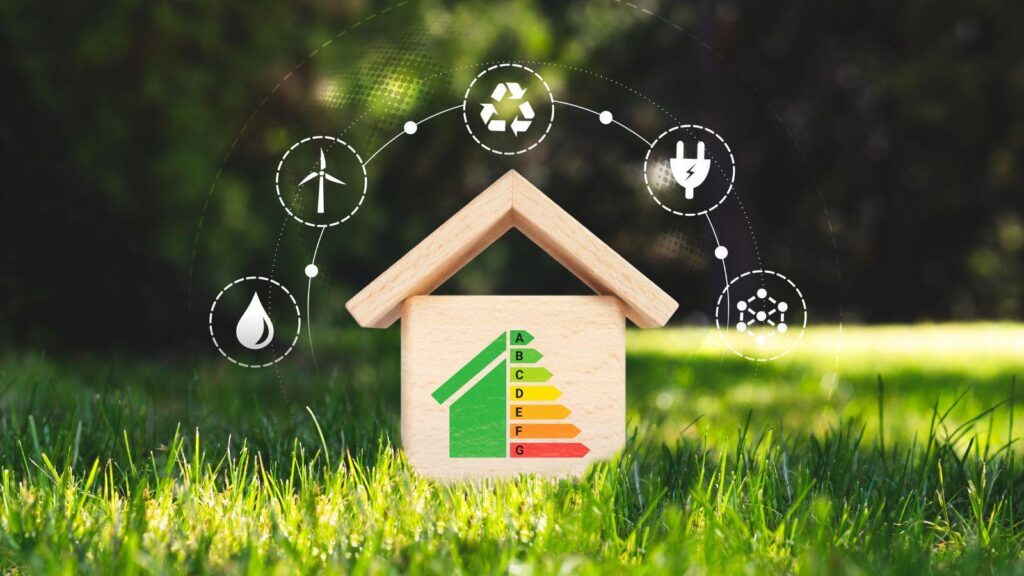
Energy Performance Certificate (EPC) ratings are becoming far more influential in the UK property market. Buyers are paying closer attention to how energy-efficient a property is before making purchasing decisions.
Properties with stronger EPC ratings are often viewed as more future-proof, especially as environmental regulations continue evolving and buyers become more conscious of energy efficiency standards.
Improved insulation, upgraded glazing, efficient heating systems, and better ventilation all contribute to stronger property performance ratings.
For sellers, this means energy upgrades can increasingly influence both buyer interest and resale value.
Smart Energy Technology Is Becoming More Desirable
Smart home technology is also reshaping energy-efficient living. Buyers increasingly expect homes to include intelligent systems capable of improving both convenience and efficiency.
Solar installations are increasingly common in energy-efficient homes and benefit particularly from that intelligent layer. An AI solar asset management platform monitors panel performance in real time, flags underperformance before it compounds into financial loss, and automates maintenance scheduling, turning a passive energy asset into an actively managed one.
Smart thermostats, automated heating controls, energy monitoring systems, and app-controlled climate management tools are becoming highly attractive features within modern homes.
These systems allow homeowners to better manage energy usage while reducing unnecessary waste. They also contribute to a broader sense of modernity and long-term practicality.
As younger buyers enter the property market, expectations around connected and efficient home technology are likely to continue growing.
Energy-Efficient Homes Are Becoming Long-Term Investments
The growing value of energy-efficient homes reflects a wider shift in buyer priorities. Modern consumers are increasingly looking beyond appearance alone and focusing more heavily on comfort, operational efficiency, and long-term affordability.
Heating systems, insulation, ventilation, and smart technology now play major roles in how homes are perceived within the real estate market.
As energy costs, environmental awareness, and housing expectations continue to evolve, energy-efficient features are likely to become even more influential in shaping both property values and buyer demand in the years ahead.