
Table of Contents
ToggleJunk removal services are professional waste disposal companies that collect, haul, and properly dispose of unwanted items from your property – handling everything from old furniture and appliances to construction debris and yard waste. Whether you’re clearing out a basement, managing debris from a deck teardown, or tackling an estate cleanout, these services eliminate the heavy lifting and logistical headaches of disposing of large volumes of clutter on your own.
This guide covers residential, commercial, and construction debris removal services available in 2026, with particular attention to homeowners, contractors, and business owners in New Jersey and Pennsylvania. Hazardous waste disposal falls outside the scope of standard junk removal and requires specialized licensed handlers, so it won’t be covered here in depth.
Junk removal costs range from $160 to $330 for most residential jobs, though pricing is influenced by the volume of junk removed, item type, labor requirements, and your location. Getting multiple estimates can help save money and avoid surprise charges.
By the end of this guide, you’ll understand:
- The core service components and what’s included in a professional removal job
- Which types of junk removal match your specific project needs
- How to evaluate providers and compare costs effectively
- What to expect during the removal process and how to avoid common pitfalls
Understanding Junk Removal Services
Professional junk removal goes well beyond simply loading a truck. Understanding the fundamental service components helps you evaluate providers, anticipate costs, and ensure your property is left clean and compliant with local disposal regulations.
Core Service Components
Every complete junk removal job involves four main stages: pickup, sorting, hauling, and disposal. During pickup, a crew arrives at your location with the necessary equipment – dollies, straps, protective gear – to safely remove unwanted items from any area of your house, including the attic, basement, crawl space, or yard. Sorting happens on-site, where crews separate items that can be donated or recycled from material that must go to a landfill. Hauling covers loading everything onto the truck and transporting it to the appropriate facility. Final disposal includes tipping fees, processing costs, and any special-item handling.
A typical residential job uses a two-person crew. For attic cleanout services, for example, a crew will use a 16 cubic yard mini dump truck to accommodate the volume of items removed. Labor accounts for roughly 40–50% of the total junk removal cost, especially when stairs, narrow access points, or multi-floor carries are involved. Final pricing is confirmed before any items are loaded, so you know exactly what you’re paying.
Service Scope and Limitations
Junk removal services handle a wide range of items. Furniture like couches and tables, appliances such as washing machines and dryers, electronics like TVs and computers, yard waste including branches and leaves, and home improvement debris like drywall and carpeting are all commonly removed. For a full list of accepted items, always confirm with your provider before scheduling.
However, junk removal services typically do not take hazardous materials – this includes chemicals, asbestos, automotive fluids, lead paint, and propane tanks. Specialized materials like chemicals or electronics require proper disposal methods, and some items like gas-powered equipment or appliances containing refrigerants may carry special disposal fees. If you’re concerned about specific items, provide your inventory upfront so the company can advise accordingly.
Environmental Responsibility
Reputable junk removal companies, like Supersonic Junk Removal, prioritize sustainability. Over 60% of items removed are reused, recycled, or donated to local nonprofits rather than sent to a landfill. Metals, cardboard, electronics, and usable furniture are diverted from waste streams whenever possible. When demolishing and removing a deck, for example, scrap wood and metal fasteners can often be recycled rather than landfilled.
In New Jersey, tipping fees for construction and demolition debris run approximately $127.55 per ton in Burlington County, while municipal solid waste costs about $105.44 per ton. These disposal costs directly influence what you pay, making waste diversion not just environmentally responsible but also cost-effective.
Types of Junk Removal Services
Not all removal jobs are the same. The type of service you need depends on what you’re disposing of, the volume involved, and whether specialized handling is required.
Residential Junk Removal
Household cleanout services cover the broadest range of everyday removal needs: clearing out a cluttered garage, emptying an apartment before a move, disposing of old furniture, or wiping out a basement full of boxes. Professional services are especially useful for estate cleanouts and major decluttering projects where the sheer volume of unwanted items makes DIY efforts impractical. Professional junk removal services can clear out areas faster than DIY efforts – a garage or basement that might take you an entire weekend can often be completed in a few hours by an experienced crew.
Seasonal services like spring cleaning pickups and post-storm yard debris removal also fall into this category. Outsourcing junk removal can reduce stress associated with decluttering and free up valuable floor space in your home.
Construction and Renovation Debris
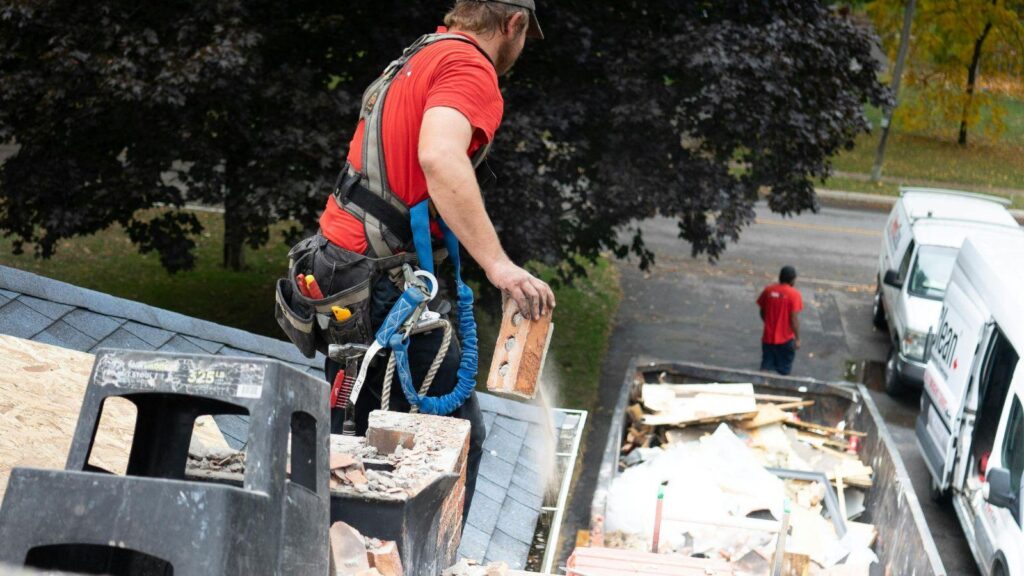
Construction debris from deck teardowns, porch demolitions, and resurfacing projects generates heavy, bulky waste – treated lumber, composite boards, concrete, fasteners, drywall, and dirt. This material is classified as C&D (construction and demolition) waste, which typically carries higher disposal fees and may require separation by material type at the transfer station.
For contractors and homeowners managing building projects, coordinating debris removal as part of the job saves time and ensures compliance with local disposal regulations. When planning a deck project budget, factoring in removal costs for old materials prevents surprises at the end of the job.
Specialty Item Removal
Hot tubs, sheds, fencing, and large outdoor structures require disassembly, specialized equipment, and sometimes multiple crew members. These jobs often carry surcharges – a hot tub removal might add $250–$500 on top of the base load cost. Items with mold, electronics requiring certified recycling, or structures attached to walls or a sewer line add complexity and cost. Always request an accurate estimate that accounts for these factors before the crew arrives.
Selecting and Working with Junk Removal Services
Choosing the right provider is just what separates a smooth experience from a frustrating one. A few steps upfront can save you money and headaches.
Service Selection Process
- Verify licensing and insurance – In New Jersey, haulers must hold an A-901 license and solid waste transporter registration with NJDEP. In Pennsylvania, the Waste Transportation Safety Act (Act 90) governs waste hauler authorization. Confirm vehicles display proper decals and the company carries liability coverage.
- Read customer reviews on platforms like the Better Business Bureau and check for consistent positive feedback.
- Get at least three estimates before choosing a service – this gives you a realistic price range and reveals outliers. Sending pictures can lead to more accurate quotes and reduces surprises on pickup day.
- Ask about extra fees for bulky items or hazardous waste, and ensure the quote specifies disposal methods and pickup locations.
Cost Comparison Factors
Several factors influence your final price. Here’s how common pricing models compare:
|
Factor |
Volume-Based Pricing |
Flat-Rate Pricing |
|
How it works |
Charged per truck fraction (1/4, 1/2, full) |
Single price for defined job scope |
|
Best for |
Mixed loads, variable volumes |
Known quantities, single-item removal |
|
Transparency |
High – pay for space you fill |
Moderate – may include buffer |
|
Typical range |
$160–$850+ depending on load |
$79–$500 depending on item |
|
Risk of overcharge |
Low if volume estimated well |
Low if scope is clearly defined |
Location affects junk removal rates significantly – NJ and PA disposal fees are among the highest in the region. Same-day service, difficult access (stairs, narrow door frames, long carry distances), and weight surcharges for concrete or appliances all add to the bottom line. A free estimate from a reputable provider should itemize every cost component so you can compare apples to apples.
Common Challenges and Solutions
Hidden Fees and Unexpected Costs
Surcharges for disposing of electronics, mattresses, appliances with refrigerants, and heavy debris like concrete can inflate your bill quickly. Solution: Request an itemized estimate that includes all potential charges – disposal fees, labor multipliers for stairs or difficult access, fuel surcharges, and minimum truck charges. Ask specifically about anything on your removal list that might trigger extra cost.
Scheduling Conflicts and Delays
Rush jobs cost more, and last-minute bookings risk delays. Solution: Book services 3–5 days in advance and confirm 24 hours before pickup. Weekday and off-peak scheduling often yields better availability and sometimes lower rates.
Items Left Behind or Refused
Companies may refuse certain material on pickup day if it wasn’t disclosed – hazardous waste, paint cans, or tank-style propane containers are common examples. Solution: Provide a detailed inventory and photos before booking to avoid surprises. This also helps the crew bring the right equipment and allocate enough truck space.
Conclusion
Professional junk removal services save you time, reduce risk, and ensure your unwanted items are disposed of safely and responsibly. Junk removal can help improve property appearance and value, whether you’re clearing space for a renovation, managing construction debris, or simply reclaiming floor space from years of accumulated clutter.