
Table of Contents
ToggleWhat makes a buyer stop scrolling through dozens of property listings and click on yours? In many cases, the answer is the kitchen.
Today's buyers don't just purchase square footage. They invest in a lifestyle. Before scheduling a viewing, they often browse online listings, Instagram inspiration, and home improvement content to picture what daily life could look like in a new home. If your kitchen immediately communicates cleanliness, functionality, and style, you've already gained a competitive advantage.
For entrepreneurs, real estate professionals, property investors, and home staging specialists, this presents an opportunity. Thoughtful kitchen staging isn't simply about making a room look attractive. It's a strategic investment that can improve marketing performance, generate more qualified inquiries, strengthen negotiations, and ultimately increase return on investment.
The good news is that creating a kitchen buyers remember doesn't always require an expensive renovation. Often, small improvements and intentional presentation produce the greatest impact.
Let's explore the staging strategies that transform an ordinary kitchen into one that captures attention online and converts interested viewers into serious buyers.
Start with a Clean, Functional Foundation
The best kitchen staging begins long before decorative accessories appear on the countertop.
Buyers notice clutter immediately. Even a beautiful kitchen can feel cramped when every surface is filled with small appliances, paperwork, utensils, or decorative items. Instead of showcasing everything the kitchen can hold, focus on demonstrating how spacious and organized it feels.
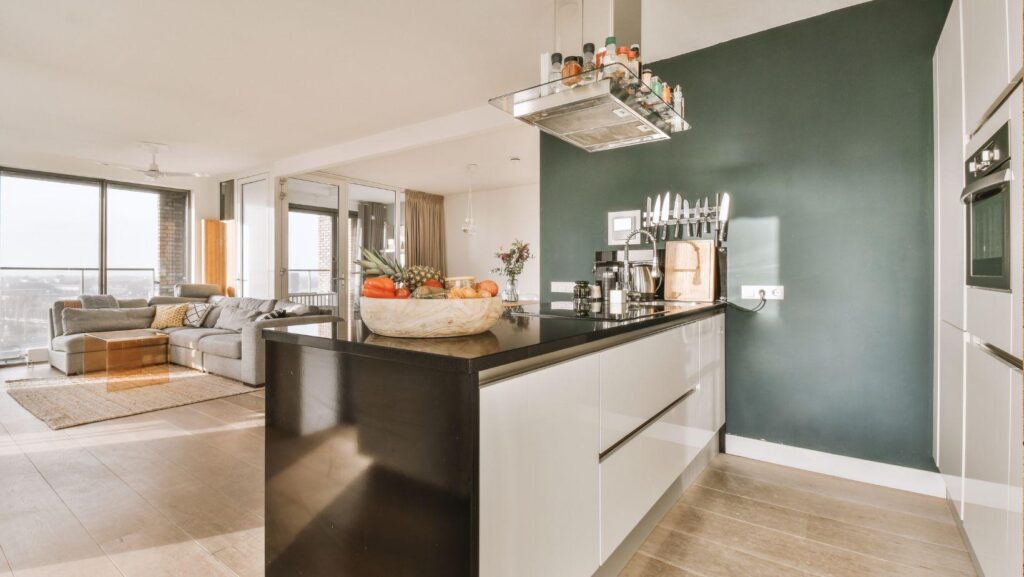
Clear countertops instantly make the room appear larger. Leave only a few carefully selected items that support the lifestyle you're presenting. A wooden cutting board, a bowl of fresh fruit, or a neatly arranged coffee station can create visual interest without overwhelming the space.
Deep cleaning is equally important. Buyers often associate cleanliness with how well a property has been maintained. Polish stainless steel appliances until fingerprints disappear. Clean cabinet doors, grout lines, backsplashes, light switches, and even the inside of windows to maximize natural light.
Storage also deserves attention. Many buyers open cabinets and drawers during viewings. Organized shelves, neatly folded kitchen towels, labeled containers, and uncluttered pantry space suggest that the kitchen offers plenty of storage capacity.
Remember that staging isn't about hiding imperfections. It's about helping buyers recognize the home's strengths without unnecessary distractions competing for their attention.
A clean, organized kitchen establishes trust before the conversation about price even begins.
Style the Kitchen to Showcase Everyday Living
Once the kitchen is spotless, thoughtful styling helps buyers imagine themselves living there.
One of the most effective approaches is creating dedicated lifestyle zones. Instead of scattering appliances throughout the room, organize them into purposeful areas. A breakfast station with a coffee machine, mugs, and neatly stored accessories immediately communicates convenience.
A wellness corner can be equally appealing. Displaying a Hurom Easy Clean juicer alongside fresh citrus fruits, herbs, or seasonal produce subtly suggests healthy daily routines while reinforcing the idea of a practical, low-maintenance kitchen. Buyers aren't simply evaluating appliances. They're responding to the lifestyle those details represent.
Natural materials add warmth without requiring major investment. Wooden serving boards, woven baskets, linen towels, ceramic containers, and small potted herbs create texture while maintaining a timeless aesthetic.
Fresh greenery also makes a noticeable difference. Herbs like basil or rosemary introduce color and freshness while remaining practical. Unlike elaborate floral arrangements, they feel authentic and functional.
Lighting is another powerful staging tool. Whenever possible, photograph and show the kitchen during daylight hours. Open curtains completely and allow natural light to brighten every corner.
If additional lighting is needed, combine ceiling fixtures with under-cabinet lights or pendant fixtures to create depth. A well-lit kitchen appears cleaner, larger, and more welcoming than one relying on a single overhead light.
The objective isn't perfection. It's creating an environment where buyers immediately feel comfortable and can picture their own routines unfolding naturally within the space.
Showcase Upgrades Buyers Actually Value
Entrepreneurs often assume that increasing property value requires extensive remodeling. While major renovations certainly have their place, buyers frequently notice practical improvements more than expensive luxury features.
Replacing cabinet handles is a simple example. Modern hardware can instantly update older cabinetry without replacing the cabinets themselves.
Similarly, installing a contemporary faucet, repainting cabinets in neutral colors, refreshing the backsplash, or updating lighting fixtures creates an entirely different impression at a relatively modest cost.
Countertop presentation also matters. Rather than displaying numerous appliances, select one or two that reinforce the kitchen's intended purpose. A premium coffee machine or modern juicer can demonstrate functionality while preserving visual space.
Organization continues to influence buyer perception. Drawer dividers, pull-out pantry shelves, recycling stations, and hidden storage solutions suggest that everyday living will be easier in this home.
Color consistency also plays an important role. Neutral palettes appeal to broader audiences because buyers can more easily imagine adding their own personality after moving in. Whites, warm grays, natural wood finishes, and soft earth tones continue to perform well across many property markets.
When evaluating improvements, ask a simple question: "Will this make daily life easier for the next owner?" If the answer is yes, the upgrade is likely worth considering.
The most successful kitchens balance beauty with functionality instead of prioritizing one over the other.
Create Listing Photos That Convert Interest into Viewings
Even the most beautifully staged kitchen cannot generate results if its photographs fail to capture attention.
Before the photoshoot begins, perform one final walkthrough. Straighten bar stools, align towels, remove unnecessary cords, and ensure every surface appears clean. Small details often become surprisingly noticeable in high-resolution photography.
Natural light remains the best choice whenever possible. Schedule photography during the brightest part of the day and avoid harsh shadows that make the room appear smaller.
Wide-angle photographs should communicate layout and flow without distorting proportions. Buyers want to understand how the kitchen connects to adjacent living spaces and whether it supports entertaining, cooking, and everyday family life.
Close-up photographs can then highlight premium finishes, organized storage, attractive staging details, or carefully selected decorative elements.
For entrepreneurs marketing investment properties, visual presentation should extend into written marketing materials. Rather than listing individual upgrades, explain the benefits those improvements deliver.
For example, instead of writing "new LED lighting," describe how layered lighting creates a brighter workspace for cooking while providing a warm atmosphere for entertaining guests. Instead of mentioning added pantry shelving, explain how organized storage simplifies busy family routines.
This benefit-focused approach creates stronger emotional engagement because buyers begin imagining experiences rather than simply evaluating features.
The same principle applies when preparing a real estate proposal for investors, developers, or clients. Present each kitchen improvement as part of a larger value strategy. Demonstrate how staging, organization, functionality, and thoughtful upgrades contribute to stronger buyer interest, improved marketing performance, and potentially faster sales.
When every design decision supports a measurable business objective, staging becomes more than decoration. It becomes a strategic marketing investment.
Conclusion
In today's digital marketplace, buyers often form their first impression long before stepping inside a property. An organized, inviting kitchen can determine whether someone schedules a viewing or continues scrolling to the next listing.
Fortunately, creating a memorable kitchen doesn't always require an expensive renovation. Decluttering, improving lighting, organizing storage, highlighting practical upgrades, and styling the space around everyday living can significantly increase its appeal.
For entrepreneurs, real estate professionals, and property investors, these improvements represent more than aesthetic choices. They contribute to stronger marketing performance, increased buyer engagement, higher-quality leads, and better overall returns on investment.
The most successful kitchens aren't simply beautiful. They communicate comfort, efficiency, and possibility. When buyers can easily imagine preparing breakfast, entertaining friends, or spending time with family in the space, the property becomes far more memorable.
Ultimately, effective kitchen staging isn't about following every Instagram trend. It's about creating an authentic environment that tells a compelling story, builds trust, and helps transform online interest into real-world conversions.