
Table of Contents
ToggleMasterRealtySolutions.com home exterior guides help homeowners plan visible upgrades. The guide lists services, assessment steps, material choices, and cost estimates. The guide aims to help owners increase curb appeal and resale value. The guide uses clear steps and practical advice. Readers will get a prioritized plan they can use or hand to a contractor.
Key Takeaways
- MasterRealtySolutions.com home exterior services provide homeowners with a detailed assessment and a prioritized plan to improve curb appeal and resale value.
- The exterior assessment categorizes repairs by urgency—urgent, important, and optional—to help owners address safety and aesthetic issues efficiently.
- Material guides cover siding, roofing, paint, and landscaping options with clear comparisons on cost, lifespan, and maintenance suited to local styles.
- Homeowners receive a working checklist including cost estimates, permits, and timelines to minimize surprises and streamline project management.
- The service recommends starting upgrades by fixing safety and structural issues before enhancing curb appeal within a defined budget.
- A maintenance calendar and budget tiers help homeowners plan ongoing upkeep and invest wisely for long-term value.
What MasterRealtySolutions Offers For Home Exteriors: Services, Scope, And Benefits
MasterRealtySolutions.com home exterior offers a set of services for visible home upgrades. The company inspects siding, roofing, trim, gutters, driveways, and landscaping. It provides cost estimates and project timelines. It schedules contractors and manages permits when needed. It offers design options for paint, siding type, and hardscape. It lists warranty terms for labor and some materials.
Homeowners get a clear scope document after the first visit. The document lists tasks, cost ranges, and expected life for each upgrade. It ranks items by return on investment and urgency. The ranking helps owners decide what to fix first to protect structure or improve appearance.
The service also shows simple DIY items for owners who want lower cost work. It suggests cleaning, minor repairs, and planting ideas. The service warns when a task needs a licensed contractor. That warning helps owners avoid code or safety problems.
Benefits include a targeted budget, shorter project time, and fewer change orders. The process reduces guesswork for owners and contractors. The plan helps agents list a home with confidence. It helps buyers see value in visible upgrades and reduces time on market.
Step‑By‑Step Exterior Assessment To Prioritize Work
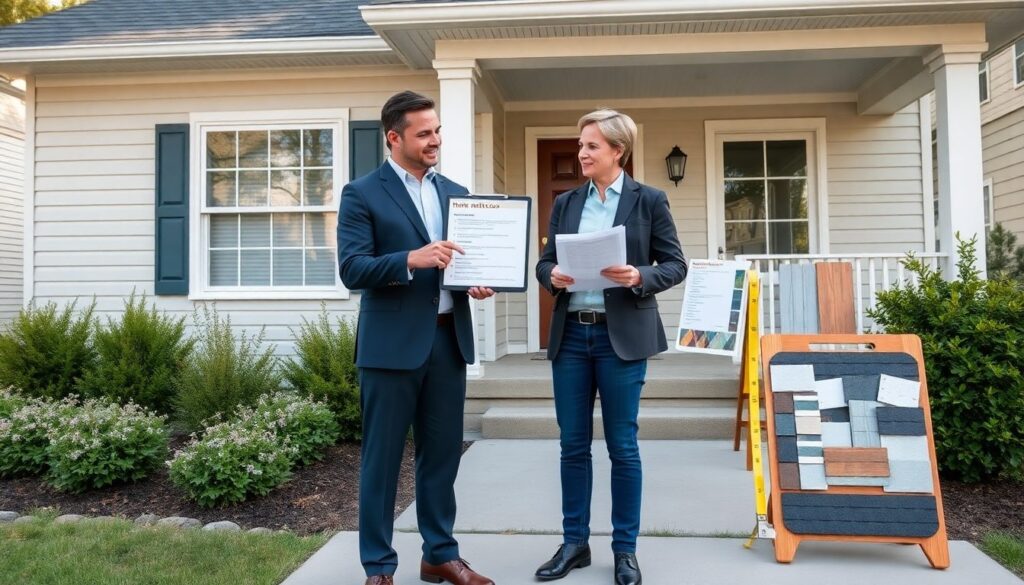
MasterRealtySolutions.com home exterior begins every project with an assessment. The assessor walks the perimeter and records defects. The assessor photographs problems and notes dimensions. The assessor rates each item as safety, structure, or aesthetic. The assessor assigns a priority level: urgent, important, or optional.
The assessor explains each priority and the reason. The assessor gives a repair order for urgent items first. Urgent items include roof leaks, rotten framing, or failing stairs. Important items include cracked driveways, peeling paint, and gutter failures. Optional items include plantings, decorative trim, and new lighting.
The assessor includes rough cost ranges and the likely time to complete each task. The assessor adds an estimate for seasonal work like gutter cleaning or mowing. The assessor also lists permits that a city may require. That list prevents surprises in project timing.
The final assessment becomes a working checklist for owners and contractors. The checklist clarifies which tasks tie to safety and which tie to curb appeal. The checklist helps owners choose where to invest money for the best resale return.
Choosing Materials, Styles, Costs, And Long‑Term Maintenance
MasterRealtySolutions.com home exterior outlines material choices and costs. The guide compares siding options: vinyl, fiber cement, wood, and brick. It lists pros and cons for each option in plain terms. It notes lifespan, typical cost per square foot, and maintenance needs.
For roofing, the guide compares asphalt shingles, metal, and tile. It lists expected life and common repair costs. The guide shows how color and texture affect curb appeal. It shows which choices fit common local styles and which add resale value.
The guide also covers paint and trim. It explains how color contrasts highlight architectural details. It gives a short palette approach: base, trim, and accent. It shows simple cost ranges for painting a typical house exterior.
For walkways and driveways, the guide compares concrete, pavers, and asphalt. It lists lifespan and maintenance actions for each surface. It recommends sealing or replacing based on condition and budget.
The guide explains landscape basics that support material choices. It recommends low-maintenance plants near hard edges and shrubs to hide foundation vents. It suggests mulching and drip irrigation to reduce water use and upkeep.
The guide gives a short maintenance calendar. It lists annual tasks: gutter cleaning, paint touch-ups, and roof checks. It lists seasonal tasks: winterizing faucets and pruning. The calendar helps owners spread cost and avoid large repairs.
Cost guidance uses three budget tiers. The guide labels them economy, mid-range, and premium. Each tier lists likely materials, expected lifespan, and typical maintenance. The tier list helps owners match aesthetic goals and long-term plans.
The guide ends with a simple decision rule. Owners should fix safety and structure first. Owners should then address items that increase curb appeal within their budget. That rule guides spending toward value and fewer surprises.