
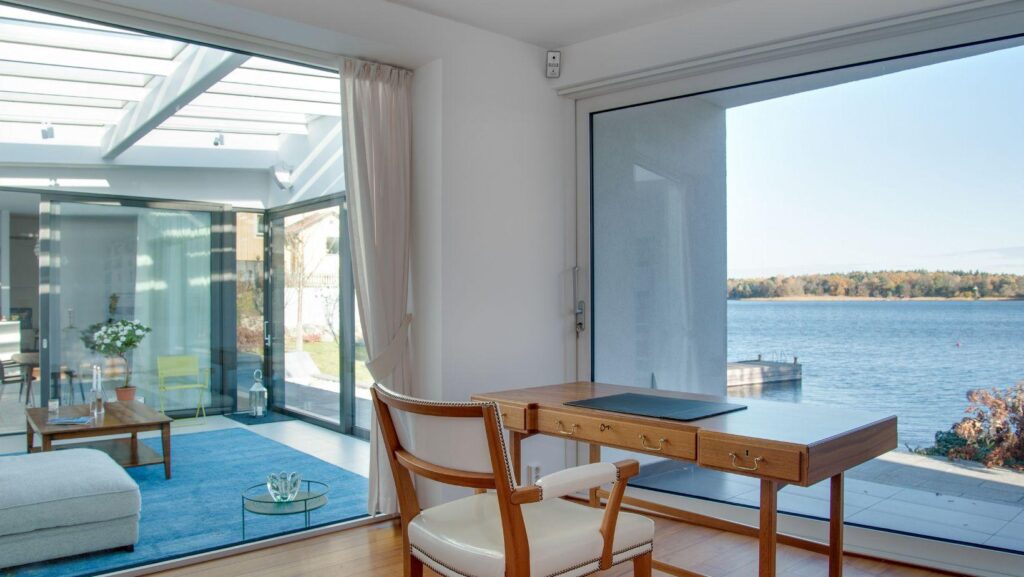
There are many advantages to living on the coast, including beautiful views, cool ocean breezes, and even more. That said, this salty air, which can attract a sea-living lifestyle, can significantly affect the life of an air conditioning system and its ability to work effectively. Effective maintenance and preventative care from an AC service in San Diego could increase the life of equipment, enhance energy efficiency, and minimize the risk of unexpected equipment failures.
When homeowners understand the special needs of coastal AC maintenance, they will better understand how to preserve one of the most important systems in their home.
Why Salt Air Is Tough on Air Conditioning Systems
Salt air is composed of tiny air particles of sodium chloride, which move towards the land on ocean-borne breezes. Houses more than a few miles away from the coast may also be subject to higher exposures to salt; the closest houses will be most at risk.
Salt, unlike normal dirt or dust, does not wash away from areas due to rain. Rather, it keeps absorbing moisture and encourages corrosion to happen over the course of time. AC maintenance near the coast is important because they are prone to decreased efficiency, refrigerant leakage, electrical failure, and mechanical failure.
Which AC Components Are Most Vulnerable to Salt Damage
Almost all air conditioners set up outdoors are bound to get exposed to the elements, and some components of the system are especially vulnerable to saltwater corrosion.
Other parts that could be affected are:
- Copper refrigerant tubing
- Aluminum coil fins
- Steel cabinet panels
- Electrical terminals, wiring connections
- Fan blades
- Mounting brackets
- Fasteners and screws
With the increased frequency of corrosion, the weaker metal gets cracked, rusted, and even broken into pieces.
How Salt Corrosion Affects AC Performance
Damage to your AC from salt is not an instant event. Instead, over time it slows down the performance of systems and makes them use more energy.
Typical problems associated with salt corrosion are:
- Longer cooling cycles
- Reduced cooling capacity
- Higher electricity bills
- Increased compressor wear
- Frequent repairs
- Reduced equipment lifespan
Additionally, weakened lines can lead to leaks, which decrease cooling function, and corrosion can also weaken lines.
Warning Signs Your Coastal AC Needs Attention
The corrosion process tends to be a slow one, and therefore, people living in those areas must learn about the first stages of corrosion before any significant damage occurs.
Some typical symptoms of AC burnout include:
- Rusty appearance in outdoor unit.
- Check for damaged fins of the condenser.
- Less evacuation of air from inside vents.
- Utility bills are higher than usual.
- AC running time is more than normal.
- Strange sounds, including buzzes and rattles.
In spite of the necessity to seem normal, corrosion cannot be ignored, particularly if there are signs of it. Timely coastal AC maintenance can help to avoid more damage, depending on the location.
Essential AC Maintenance for Coastal Homes
Heating and air conditioning systems account for more than 50% of a household’s energy consumption. Cleaning removes salt deposits on a regular basis, preventing them from increasing the rate of corrosion.
Maintenance practices recommended are:
- Cleaning up the outdoor condenser with fresh water according to the manufacturer’s instructions every couple of weeks
- Having HVAC workers inspect the system at least once per year
- Changing air filters monthly or as frequently as every three months is a good rule of thumb.
- Ensuring the outdoor unit is kept clear of vegetation
- Removing dirt from the condenser area
- Checking refrigerant lines for corrosion.
- Inspecting electric connections for corrosion.
Providers such as Prime Air Solutions can also apply protective coil treatments, monitor the interior electrical components, and detect incipient corrosion without it creating major problems for the performance of the coil.
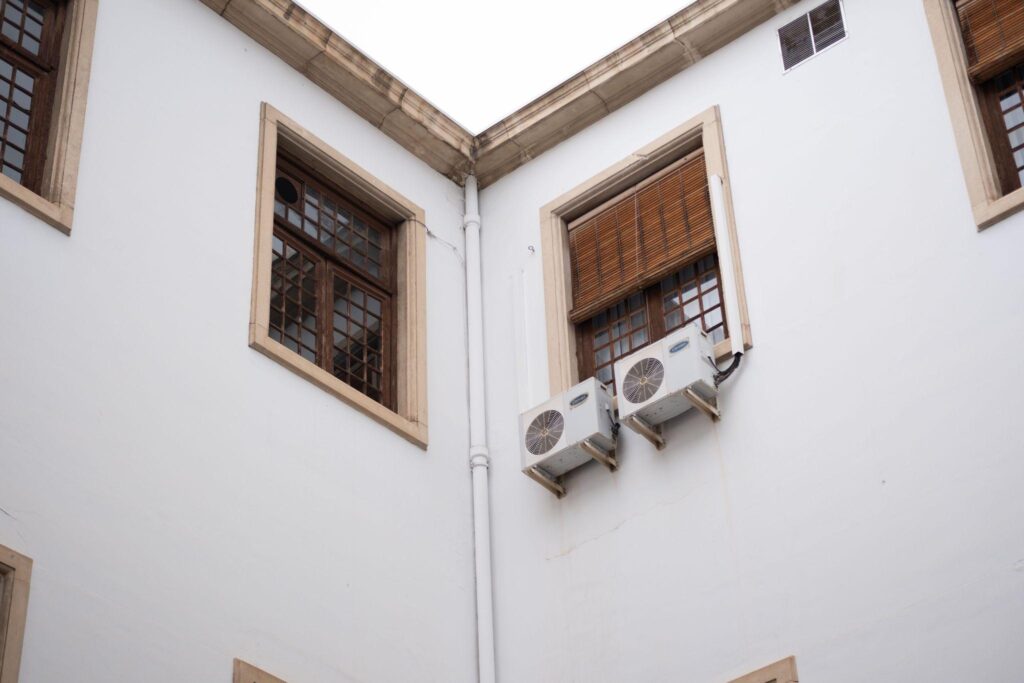
Can You Protect an AC System from Salt Air?
There are several measures to take to minimize corrosion risks to an air conditioner, although none of these will keep certain air conditioners entirely safe from corrosion.
Protective HVAC maintenance strategies include:
- Corrosion-resistant coil coatings (CRCCs)
- Installing suitable marine-grade HVAC when appropriate.
- Applying materials recommended by the manufacturer for protection
- Keeping the condenser in proper circulation of air.
- Regularly clean up salt in outdoor items such as tools, generators, sprinklers, lawns etc.
- Programming professional service once a year
- Repairing refrigerant line damaged insulation
There are HVAC systems available that are particularly suited to a coastal climate, but also contain better corrosion protection materials. These systems can be initially more expensive but can offer more longevity in salty conditions.
Conclusion
Spending money on a repair is only an expense if it is unnecessary. The money that is spent on a repair is only an expense when it is not needed. Fortunately, though, a well-designed HVAC system can have a longer life if necessary preventative HVAC maintenance is carried out.
Recognizing that the coastal environment has an impact on air conditioners and solving problems as soon as they occur can be a great way to ensure home cooling reliability, efficiency, and peace of mind year-round.