
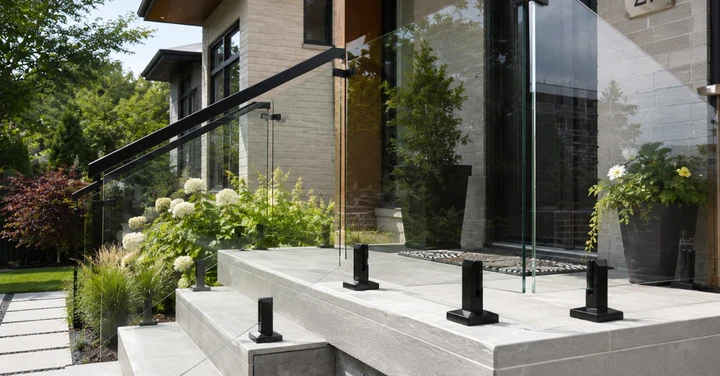
A deck is more than an outdoor platform. It can become a place for morning coffee, family dinners, weekend gatherings, or simply a quiet spot to enjoy the surrounding landscape. As homeowners put more thought into outdoor living spaces, the railing has become an important part of the overall design.
This is one reason glass deck railings are becoming increasingly popular. They offer a clean appearance while keeping views open and helping outdoor areas feel less enclosed. From waterfront cottages to suburban backyards and modern urban homes, glass can complement a wide range of settings without overwhelming the existing architecture.
So, what is driving this growing interest? Let’s look at why glass has become such a popular choice for modern deck design.
Quick & Simple: Why Glass Deck Railings Are Trending
The appeal of glass railing comes down to a combination of appearance, visibility, versatility, and practical considerations. Unlike traditional railings with prominent vertical lines, transparent panels allow homeowners to enjoy the space beyond the deck without creating a strong visual barrier.
Glass can also work with different architectural styles and decking materials. Whether the property has natural wood, composite decking, stone, brick, or modern metal accents, transparent railing can blend into the design rather than compete with it.
For homeowners looking for a contemporary outdoor space without making the railing the center of attention, glass offers an understated solution.
Why Homeowners Are Choosing Glass for Their Decks
One of the biggest advantages of glass is its ability to preserve sightlines. Traditional railing materials can interrupt views with posts, pickets, or solid sections. Glass creates a defined boundary while allowing the landscape to remain visible.
This can be particularly valuable for homes surrounded by gardens, trees, water, or open landscapes. A lakefront deck, for example, can maintain its connection with the water instead of having the view divided by a visually heavy railing.
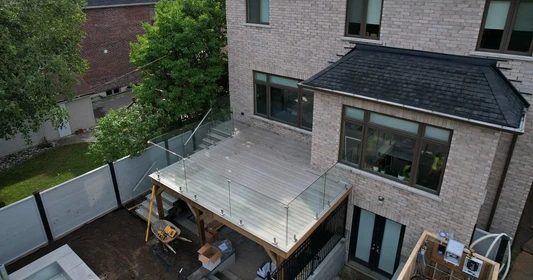
Glass can also make smaller decks feel more open. While it does not physically increase the size of a deck, the transparency allows the eye to travel beyond the railing, reducing the feeling of being boxed in.
Another consideration is maintenance. Compared with materials such as wood that may require staining, painting, or sealing, glass mainly requires regular cleaning to maintain its appearance.
Modern Glass Deck Railings for Canadian Homes
Canadian homes come in many different architectural styles, and glass railing can adapt to most of them. A contemporary home can pair transparent panels with clean-lined metal or minimalist finishes, while a traditional home or cottage can use glass to introduce a subtle modern element without changing its overall character.
For cottage properties, glass can be especially useful because it keeps the surrounding landscape visible. Lakes, forests, gardens, and waterfront scenery can remain the visual focus instead of being hidden behind a bulky railing.
In suburban and urban homes, Modern Glass Deck Railings can help create a more open transition between the house, deck, and backyard. They also work well with different decking surfaces, including natural wood, composite, PVC, stone, and tile.
This versatility is an important reason homeowners can consider glass even when their home’s design is not strictly modern.
Better Views Without Losing Safety
A beautiful view is often one of the main reasons homeowners invest in a deck. Blocking that view with a visually heavy railing can reduce some of the enjoyment of the space.
Safety, however, should always remain a priority. Railing glass is typically selected according to the application, panel dimensions, mounting method, structural requirements, and applicable local requirements. Tempered safety glass is commonly used for railing applications because it is designed for greater strength and safety than ordinary annealed glass.
The glass itself is only one part of the equation. The supporting hardware, mounting points, deck structure, and installation method also contribute to the performance of the complete railing system.
The Rise of Frameless Glass Deck Railings
Among the different glass railing styles, Frameless Glass Deck Railings have become especially appealing to homeowners who prefer a minimal look.
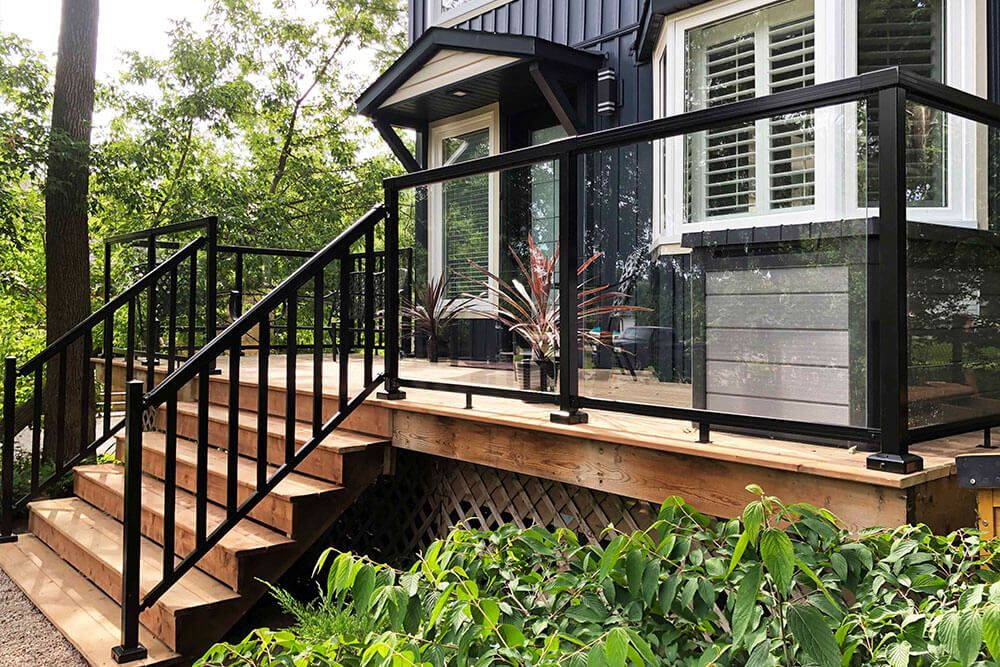
The idea is simple: reduce visual interruptions so the glass remains the dominant element. With fewer visible supports, the railing can create a cleaner transition between the deck and its surroundings.
Frameless designs can be particularly effective when the main goal is preserving a scenic view or creating a contemporary aesthetic. However, the best configuration depends on the deck layout, structural requirements, hardware, and intended application.
It is also worth remembering that “frameless” does not mean the system has no supporting components. Spigots, mounting hardware, channels, brackets, or other components may still be required depending on the chosen system.
Glass Railings and the New Era of Outdoor Living
Outdoor spaces are increasingly being designed as extensions of the home. Decks may include dining areas, lounge seating, outdoor kitchens, barbecues, or multiple areas for entertaining.
This shift has also changed how homeowners think about railing.
A visually heavy barrier can make separate areas of a large deck feel divided. Glass, on the other hand, can help maintain visual continuity between different zones. Furniture, lighting, landscaping, and flooring can define each area without making the entire deck feel closed off.
Glass can also connect the deck more naturally with the rest of the property. When the same design language continues toward stairs, balconies, or other outdoor areas, the overall space can feel more cohesive.
What Makes Glass Railing Systems a Practical Choice?
A glass railing is not simply a collection of panels. A complete Glass Railing System may include glass panels, posts, spigots, clamps, brackets, handrails, mounting hardware, and other components depending on the design.
This is why homeowners should consider the complete system rather than choosing glass panels in isolation.
Panel size and layout can affect the final appearance. Wider panels may create a more continuous look, while additional posts or supports introduce more visual lines. Hardware finishes can also influence how modern, traditional, or minimalist the completed railing feels.
The system should also be considered alongside the deck structure, stairs, surrounding architecture, and local requirements. A well-planned configuration can make the railing feel like part of the home’s architecture rather than something added at the end.
Things to Consider Before Choosing Glass Deck Railings
Glass can be a strong option, but homeowners should evaluate the project from several angles before making a decision.
➤ First, consider the primary purpose of the deck. Is the main priority enjoying a lake view, creating a modern entertaining area, making a small backyard feel more open, or connecting multiple outdoor spaces?
➤ Next, think about privacy. Transparent glass is excellent for maintaining views, but some properties may need more privacy from neighbouring homes. Landscaping, privacy screens, furniture placement, and thoughtful deck orientation can work alongside glass to create a comfortable balance.
➤ Maintenance should also be considered. Glass does not require the same staining or painting routine associated with some traditional materials, but regular cleaning helps maintain clear sightlines.
➤ Finally, look beyond the initial material cost. The complete system, hardware, installation requirements, maintenance, durability, and long-term appearance all contribute to the overall value of a railing project.
Finding the Right Glass Railing Solution with RF Transparent
When exploring glass railing options, homeowners can benefit from looking at suppliers that offer more than individual glass panels.
RF Transparent provides glass railing solutions and components for residential and commercial applications, including tempered glass panels, railing hardware, spigots, clamps, posts, and handrail-related products. Its product range allows different components to be considered as part of a complete railing system rather than as separate pieces.
For a deck project, this system-based approach can make it easier to consider the glass, hardware, layout, and overall design together.
A Modern Finish for Your Outdoor Space
Glass deck railings offer a simple way to bring together style, safety, and open views. Whether you have a modern home, cottage, or waterfront deck, the right glass railing system can complement the space while keeping the outdoor area feeling open and inviting. With options from RF Transparent, homeowners can explore glass and hardware solutions suited to different deck designs and needs.
FAQs
Why are glass deck railings becoming so popular?
They offer an open, modern appearance while preserving views and helping decks feel less enclosed.
Are glass deck railings suitable for Canadian homes?
Yes. Glass can complement a wide range of Canadian home styles, from contemporary homes and urban properties to cottages and waterfront residences.
What are the benefits of frameless glass deck railings?
Frameless designs minimize visible structural elements, creating a clean appearance and helping preserve unobstructed views.
Do glass railings provide good visibility and safety?
They can provide clear visibility while serving as a protective railing when the appropriate glass, hardware, structure, and installation methods are used.
Are glass railing systems suitable for outdoor decks?
Yes. Glass railing systems can be used for outdoor decks when the components are properly selected for the application and installation requirements.
How easy are glass deck railings to maintain?
They generally require routine cleaning to keep the glass clear, along with occasional inspection of the supporting hardware.
Can glass railings work with different deck styles?
Yes. Glass can complement wood, composite, stone, PVC, tile, and mixed-material decking, making it a versatile option for different outdoor designs.