
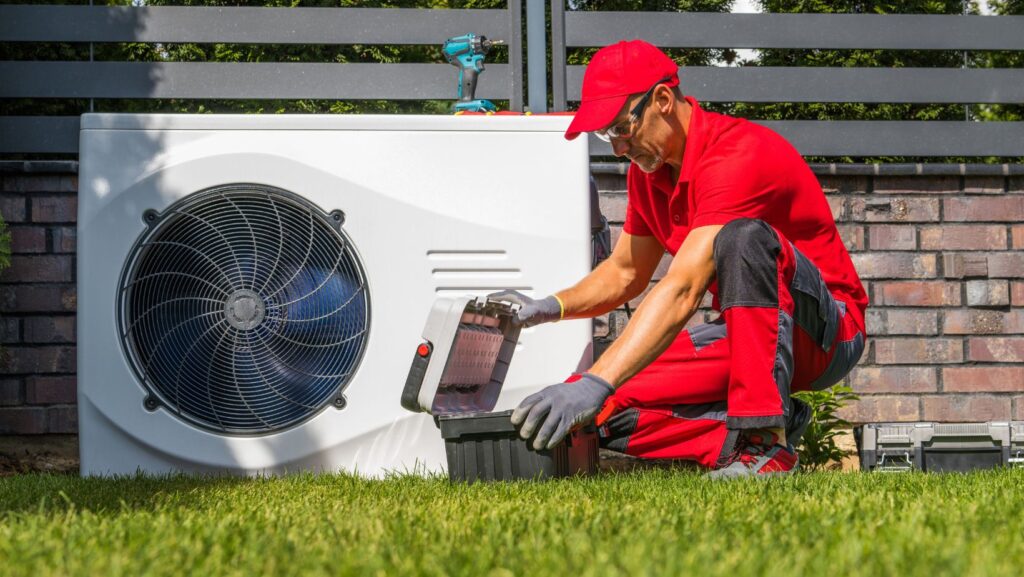
Installing a heat pump isn’t just about making an environmentally conscious decision—it’s about setting up a system that works seamlessly for your home, your budget, and your day-to-day comfort. But even the most efficient equipment can underperform if poorly installed. That’s the part people don’t always talk about.
You can spend thousands on a top-of-the-line unit, but if it’s not positioned correctly or calibrated for your home’s specific needs, you may never see the full benefits. Like most things in home improvement, the devil is in the detail—and the installation process is where many make avoidable mistakes.
Why Installation Quality Matters More Than You Think
There’s a strange myth that heat pumps are plug-and-play, like smart thermostats or doorbell cameras. They’re not. In reality, they require careful planning: from calculating the exact heat loss of your home, to mapping out internal pipework routes and outdoor unit placement.
This isn’t just a technicality—it’s foundational to how the system performs. An incorrectly sized heat pump might short-cycle (turn on and off too frequently), resulting in faster wear, poor energy efficiency, and inconsistent room temperatures – issues that are often avoidable with careful planning and reading up thoroughly on expert tips for optimal installation.
Similarly, if the outdoor unit is crammed into a space with poor airflow—or placed near a bedroom window—you might find yourself dealing with irritating noise or reduced performance.
It’s not about obsessing over technicalities—it’s about recognising that what happens on install day sets the tone for the next 15 to 20 years.
Finding the Right Installer (Not Just the Cheapest)
A heat pump isn’t something you want to price shop like a toaster. Going with the cheapest installer may cost you more in the long run, especially if the installation lacks attention to detail or skips essential steps like a room-by-room heat loss calculation.
Look for an installer who’s accredited (for example, under the Microgeneration Certification Scheme in the UK) and willing to talk through your property’s specific needs—not just sell you a one-size-fits-all solution. Ask about previous projects. Ask to see a breakdown of estimated running costs and payback periods. And if they seem vague or dismissive when you raise concerns? Keep looking.
This isn’t about upselling or elitism. It’s about accountability. A good installer should treat your property like a unique system to design around—not just a job to tick off the list.
Positioning: Indoors and Out
The placement of both indoor and outdoor units plays a huge role in system efficiency. The outdoor unit needs space for airflow, minimal obstruction from plants or fencing, and protection from snow build-up in colder climates. It also needs to sit on a secure, level base—poor foundations can lead to vibration noise and long-term wear.
Indoors, the hot water cylinder (if required) and control panel should be easily accessible. Don’t underestimate how annoying it can be to have to unscrew wall panels every time you need to check something. The closer your indoor components are to the point of use—like radiators or underfloor loops—the more efficient the system will be. Fewer bends and less pipe length equals less heat loss.
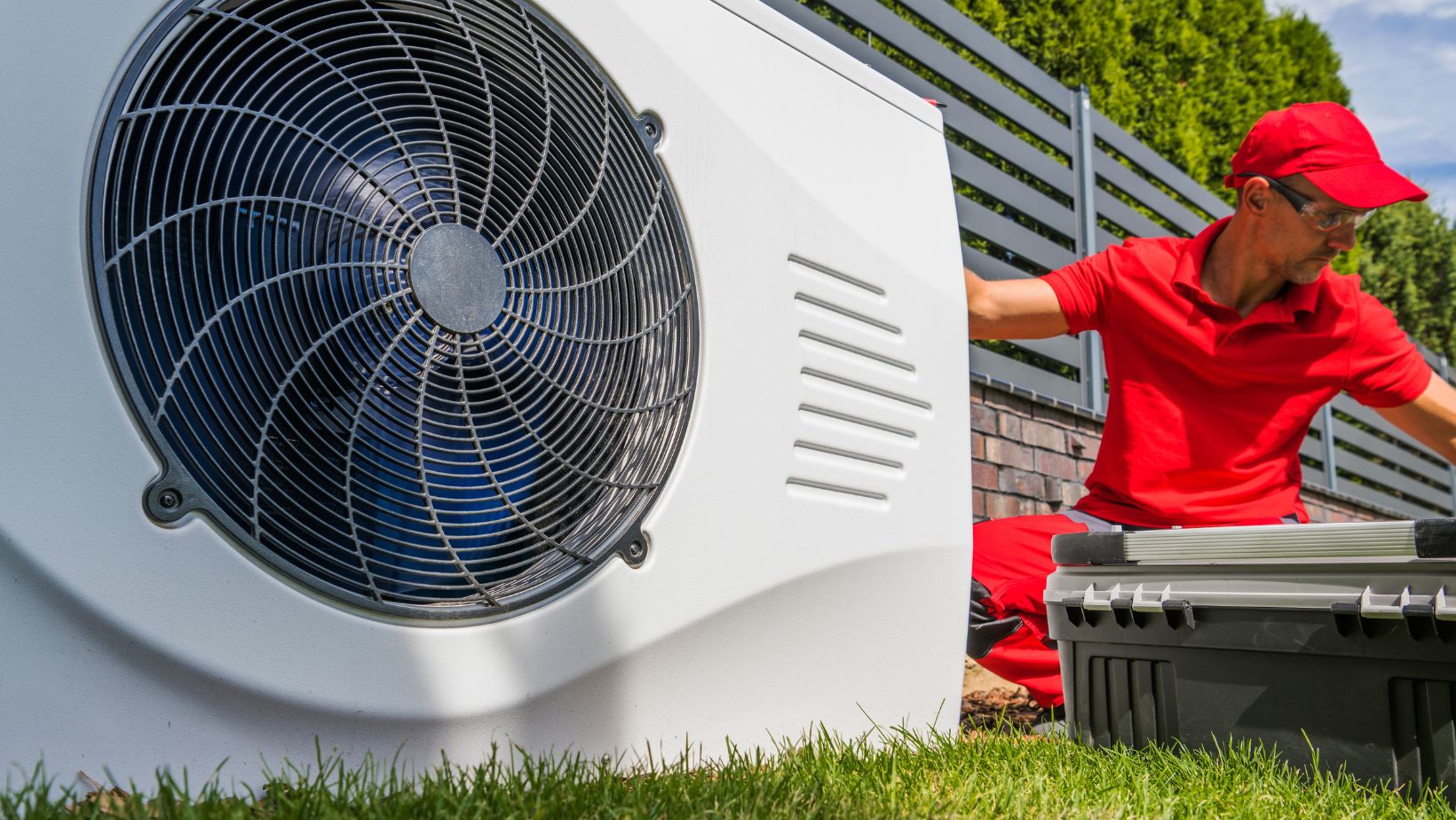
Some homeowners worry about aesthetics. Fair enough. But tucking things away at the cost of performance isn’t always worth it. A well-installed heat pump should function quietly and cleanly enough that you barely notice it’s there.
Don’t Skip Commissioning and Handover
The commissioning phase—the part where the installer tests and fine-tunes your system—is not optional. This is when they’ll check refrigerant pressure, flow rates, electrical loads, and more. If this process is rushed or skipped, you’re flying blind.
Equally important is the handover. A good installer won’t just shake your hand and walk away. They’ll walk you through the control system, explain how to adjust settings, and leave you with a user manual you actually understand. It’s a small step that can make a big difference to how confidently you manage the system.
Efficiency Is Ongoing: Use, Maintenance, and Expectations
Installation is only the beginning. How you use your heat pump affects long-term efficiency. Unlike gas boilers, which blast heat quickly, heat pumps are designed for slower, steadier output. They prefer consistency—lower temperatures sustained over time, rather than quick boosts.
This means keeping doors closed between rooms, programming gradual temperature changes, and avoiding constant overrides of the thermostat. It might take a few weeks to adjust your habits, but it’s worth it.
Annual servicing is non-negotiable. It keeps performance high and ensures any emerging issues (like a slight refrigerant leak or pump noise) are caught early. And while it’s rare for components to fail within the first decade, staying on top of maintenance helps preserve your warranty—and your peace of mind.
Final Thoughts: Treat It Like a System, Not a Gadget
A heat pump is an investment. Not just financially, but in the way you approach your home’s energy use. It’s not a gadget you install and forget—it’s a system that performs best when it’s respected as one.
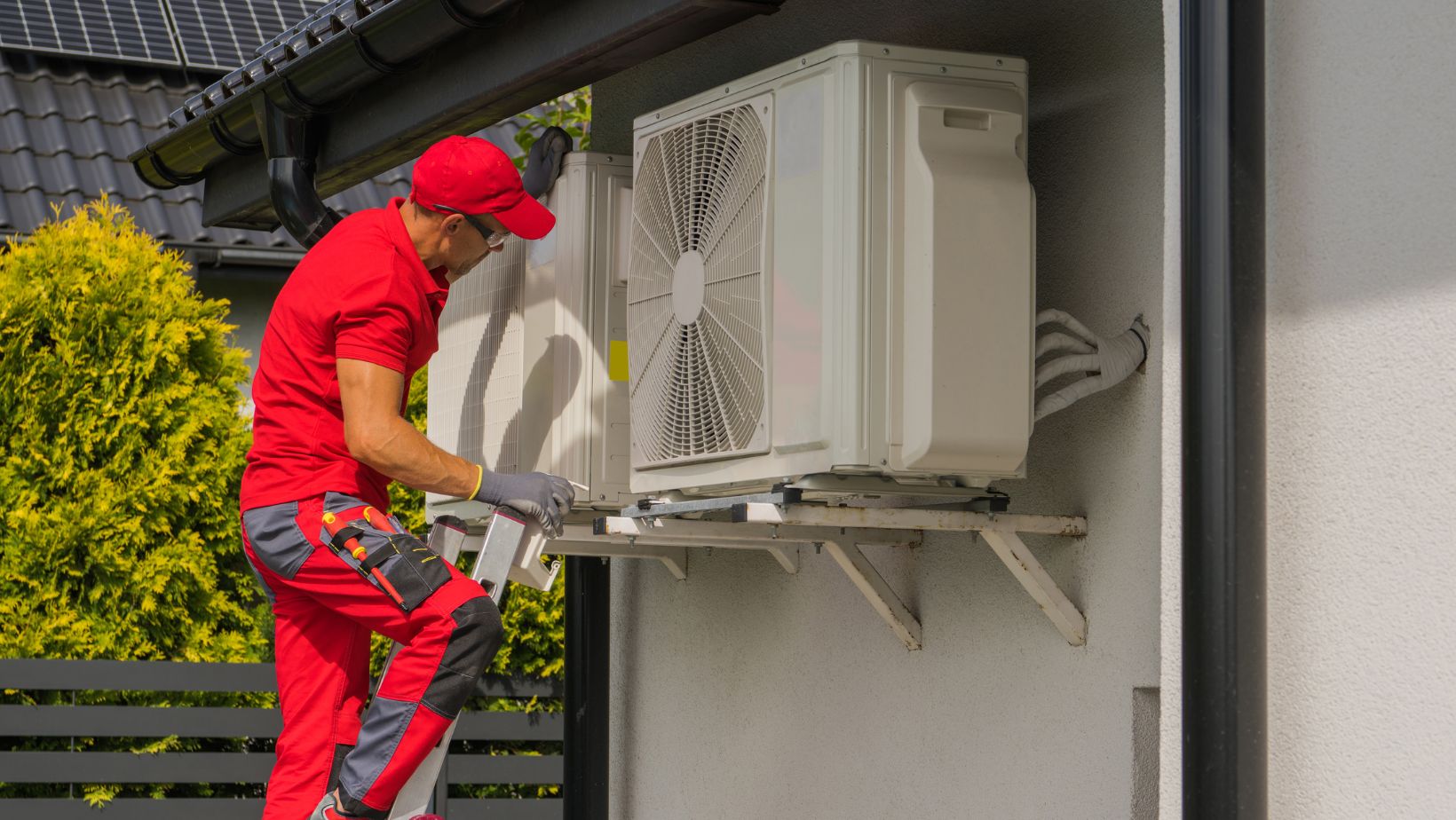
Good installation makes the difference between a heat pump that saves you money and one that drives you up the wall. The tech is only half the equation. The rest is human: thoughtful design, skilled labour, and a homeowner who’s curious enough to understand how it all works.
Because at the end of the day, efficiency isn’t just about numbers on a label—it’s about the choices made from day one.