
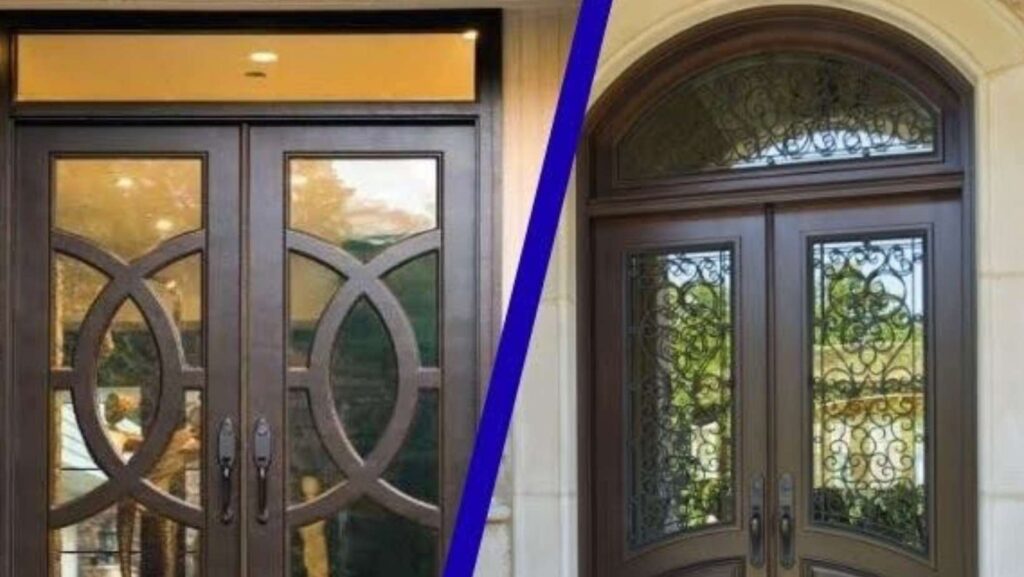
Toronto homes mix old and new. Many owners now choose custom front doors for their home here. They want better curb appeal and strong performance. They also want a style that fits their house. This guide compares modern and traditional styles in clear terms.
What is Modern And Traditional Custom Front Doors
Traditional doors follow classic design rules. They use panels, trims, and detailed profiles. They often include decorative glass and warm colors. Many suit Victorian, Edwardian, and Craftsman homes in Toronto.
Modern doors focus on clean lines. They use simple shapes and smooth surfaces. They often pair metal, glass, and engineered materials. Many suit new builds, mid-century homes, and minimalist renovations.
Toronto’s architecture drives the choice. Heritage streets lean traditional. New infill projects lean modern. Mixed neighborhoods can use either with care.
Aesthetic appeal and design language
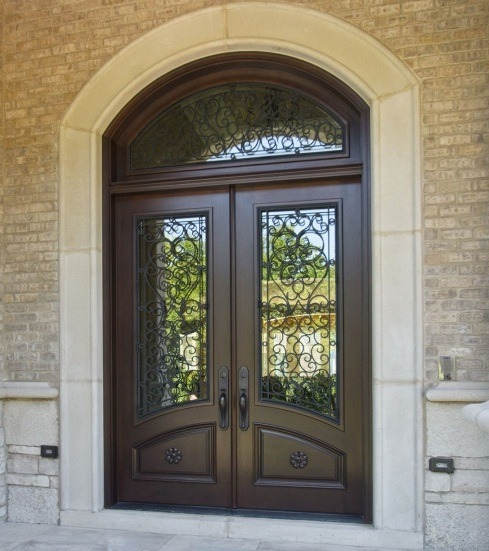
Traditional
Traditional doors look timeless. Raised or recessed panels add depth. Leaded or beveled glass adds pattern and sparkle. Stains and classic paints feel warm. This style anchors older brick and stone facades. It blends well in Cabbagetown, The Annex, and older areas of Leslieville.
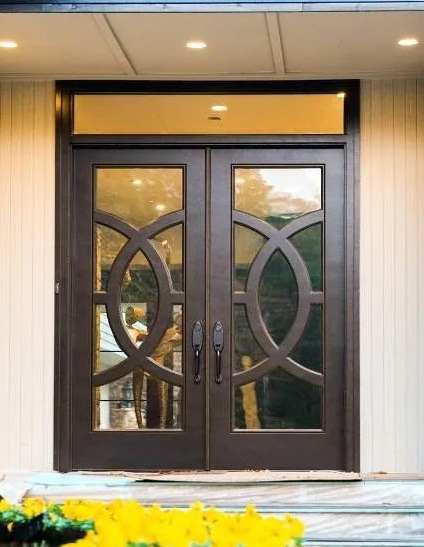
Modern
Modern doors look sleek. Large glass lites bring in light. Flush slabs and hidden hardware keep lines clean. Matte or satin finishes feel refined. This style pairs with smooth stucco, dark siding, and sharp trim. It fits well in contemporary builds in North York, Midtown, and many custom homes across the city.
Choose traditional to honor heritage details. Choose modern to match streamlined architecture. In mixed settings, a hybrid works. For example, a classic panel door with a minimalist handle. Or a clean slab door in a heritage color.
Cost and installation
Modern and traditional doors cover many price points. Wood is usually pricier upfront. Fiberglass and steel are often mid-range. Custom glass, big sizes, and premium hardware raise costs.
Here are the numbers:
Door unit (door only)
- Steel: $1,200–$3,500. Good value.
- Fiberglass: $2,000–$5,500. Low upkeep.
- Solid wood: $3,500–$8,000+. Premium species push higher.
- Aluminum or pivot systems: $6,000–$12,000+. Large sizes cost more.
Common add-ons
- Sidelite (each): $800–$2,500. Depends on size and glass.
- Transom: $600–$1,800.
- Decorative or privacy glass upgrade: +$300–$1,800.
- Multipoint lock: $350–$700.
- Smart lock: $250–$500.
- Pull handle set: $300–$1,200.
- Factory paint/stain upgrade: $200–$600.
Installation Cost
- Retrofit (use existing frame): $600–$1,500 labor.
- Full-frame replacement: $1,200–$2,500 labor.
- Masonry or opening resize (if needed): $800–$2,000.
- Old door disposal and cleanup: $50–$150.
- Weatherproofing materials (sill pan, tapes, foam, sealant): $80–$250.
Typical all-in examples
- Basic steel, retrofit: $2,000–$3,200.
- Fiberglass with one sidelite, full-frame: $4,200–$7,500.
- Premium wood with glass and hardware: $6,500–$12,000+.
- Large modern pivot with glass: $8,000–$15,000+.
Get a site measure. Old frames may be out of square. You may need jamb repairs or a new frame. That adds labor.
Hire a pro door installer: like Delco Windows And Doors in Toronto. Proper shimming and sealing are critical. Use high-quality foam, tapes, and sill pans. Ask for disposal of the old unit and cleanup in the quote.
Maintenance and longevity
Wood needs care. Recoat stain or paint on a schedule. Check bottom edges, rails, and any exposed end grain. Touch up fast.
Fiberglass and steel need less. Wash, inspect gaskets, and tighten screws. Fix chips to prevent rust on steel.
Check weatherstrips every fall. Replace if cracked or loose. Keep hinges oiled. Make sure the sweep seals the threshold. Small fixes prevent drafts and swelling.
Choosing the right door for your home
Match the door to the house. Heritage brick and stone suit classic panels. Modern stucco and metal suit flush slabs.
Think about light. Use larger lites on shaded entries. Use privacy or textured glass on busy streets.
Plan the palette. Coordinate with siding, windows, and railings. Pick hardware that supports the look. If unsure, choose a hybrid: clean panels, warm color, simple pull.
Modern vs Traditional Custom Front Doors At A Glance
| Aspect | Traditional | Modern | Toronto note |
| Core materials | Solid wood | Fiberglass, steel, aluminum | Wood needs sealing in wet–freeze cycles. |
| Finish options | Stain, classic paints | Powder coat, factory stain, matte | Factory finishes last longer in harsh weather. |
| Glass styles | Leaded, beveled, patterned | Clear, frosted, large lites | Use low-e, insulated glass. |
| Warping risk | Higher | Lower | Engineered skins resist movement. |
| Custom trims | Detailed panels, mouldings | Flush slabs, clean reveals | Match to facade details. |
| Hardware look | Knobs, classic levers, brass | Long pulls, concealed hinges | Smart locks fit both. |
| Security | Single or multipoint (upgrade) | Multipoint common | Use long screws into framing. |
| Glass security | Tempered; add laminated | Tempered or laminated common | Laminated resists forced entry. |
| Energy efficiency | Good with upkeep | Very good out of box | Check Energy Star or U-factor. |
| Maintenance | Higher | Lower | Annual checks stop drafts. |
| Cost (door only) | Higher for premium woods | Mid to high for fiberglass/steel | Custom glass and sizes add most. |
| Install complexity | May need frame work | Often prehung, smoother install | Old homes may be out of square. |
| Longevity | Long with regular care | Long with minimal care | Exposure (sun/salt) affects both. |
| Best fit | Heritage, classic facades | New builds, minimalist exteriors | Hybrids work in mixed streetscapes. |