

The roof takes a lot during the winter season. Ice, snow, freezing rain, and dramatic temperature swings will create a significant impact on even the sturdiest roofing systems. Many landlords will think that minor damage is just cosmetic. However, the truth hits harder when you decide to sell your home or even refinance your mortgage.
How would winter roof damage sink your roof value? Read on, and let’s explore it in detail.
How Does Roof Damage Directly Affect Home Value?
Roof damage can directly impact your home value in different ways. Let’s explore those in detail.
Lower Appraisal from Inspection Results
Professional home inspectors know exactly where to look for winter roof damage. They will examine flashing around chimneys, check for granule loss on shingles, and observe any signs of ice dams, which may have an impact on your foundation. Once these issues are documented, appraisers will take notice.
A damaged roof can reduce the overall value of your home by 5% to 15%. For example, if your home is worth $300,000, this could translate to around $15,000 to $45,000 in lost equity. The inspection process will reveal problems that you will not spot at first glance. You won’t be able to see cracked flashing, compromised underlayment, and damaged ventilation systems from the ground.
Buyers of your home may receive these documents before closing. If that happens, you will be providing them with powerful negotiating leverage. Many will even demand repair credits or price reductions that will cut into your proceeds.
Perception of Deferred Maintenance
Visible roof damage will send a clear message to potential homebuyers. In other words, they will assume that the owner neglected basic maintenance of the property. This is why you should not let buyers see curling shingles, moss growth, or sagging sections at any given time. Once these signs are spotted during inspection, a lot of questions will arise, such as the condition of your furnace, plumbing system, electrical system, and every other major component of your house.
This perception problem will extend beyond the actual damage, and even minor issues can create doubt in the minds of buyers about the overall maintenance done in the property.
To make sure that winter weather conditions don’t lead you to such issues with the roof, you should work collaboratively with the property manager. Consult with a Washington, DC, property manager on how to handle emergency roof maintenance calls during the winter months.
Hidden Damage That Property Owners Often Overlook
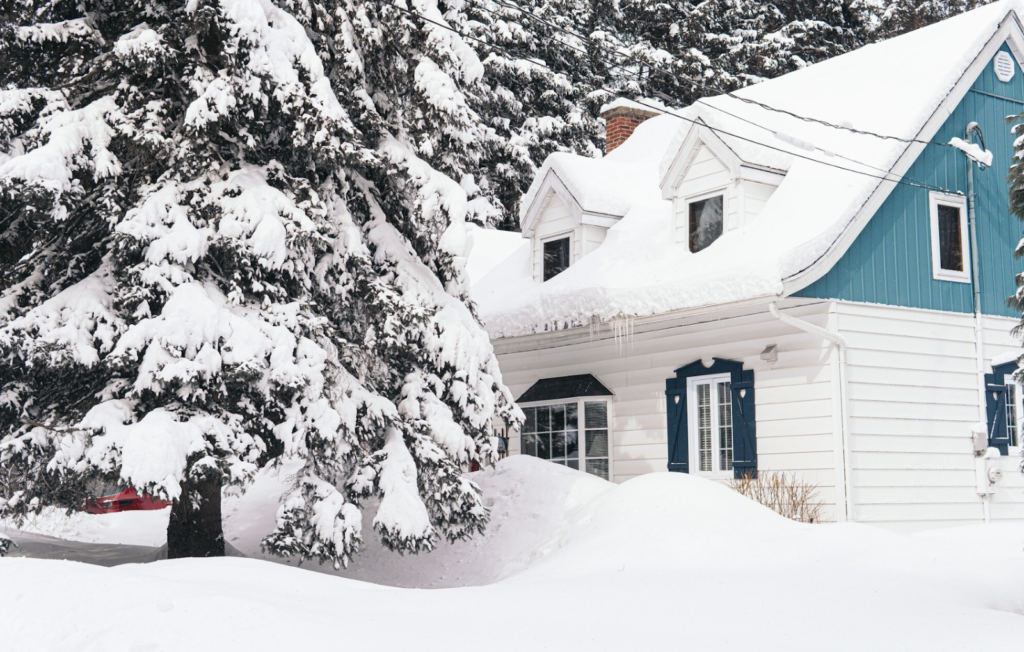
Many property owners don’t see hidden damage in their roofing systems. Such damages can eventually lead you to expensive repairs. Here’s how you can spot hidden damage in your roofing system.
Moisture Intrusion
Winter will find its way into your home through many different methods. For example, ice dams force melted snow under shingles. It will seep through microscopic gaps that exist in the underlayment. This moisture will travel along the roof decking, drip into insulation, and eventually reach the interior walls and ceilings.
Water may enter your home during an ice storm that takes place in January. You’ll most likely see the problems it creates until April. This is why you need to be proactive and inspect for signs of possible damage soon after an ice storm. For example, you can keep an eye on dark spots on the roofing deck, compressed insulation, and musty odors, as these are all signs that indicate water penetration.
Structural Concerns
Heavy snow will put stress on your roof framing. This can create structural issues in the long run. For example, the rafters will sag, trusses will bow, and connections will weaken under prolonged weight. These changes may measure just fractions of an inch. However, structural engineers will spot them during inspections.
Repeated freeze-thaw cycles will cause fasteners to work loose over time. Nails will back out slightly, and screws will lose their grip. Even the metal connectors of your roof will corrode. The compounding effect from multiple winter seasons will eventually impact the ability of your roof to withstand its strength.
Treating Winter Roof Damage as a Value Preservation Issue
As a homeowner, you need to consider roof maintenance as a method you follow to protect your investment. Research for more guides about handling roof damage, if you want to learn more about budgeting for proactive repairs. Small repairs today will only cost you a few hundred dollars. However, it can make you spend thousands of dollars after a few months.
At the time of selling your home, you need to pay special attention to documentation. This is where you need to keep records of all roof maintenance activities that you do. Even if you pay a professional to inspect the roof, you need to include it in documentation. Your buyers will appreciate this level of transparency. On top of that, they tend to pay premium prices for well-maintained homes as well.
Proactive repairs should start before you even list your property for sale. Fresh roof work will show buyers that they are getting a turnkey property. Hence, they will not have to worry about immediate repairs. This perception will justify your asking price as well.
A professional assessment will provide objective information about the condition of your roof. This is why you need to conduct an independent inspection before listing the property. Then you can price your home appropriately and be ready for the questions that buyers will ask. This preparation will also prevent surprises during negotiations. On top of everything, it will demonstrate your commitment to ensuring honest disclosure.
Final Words
Winter roof damage always represents a serious threat to the market value of your home. Direct effects of it will include lower appraisals and inspection findings. It will provide a higher negotiation power to the buyers. Hidden moisture and structural problems can also create long-term value erosion. It will continue to compound over time. This is why you should not let winter damage chip away at the value of your home.