
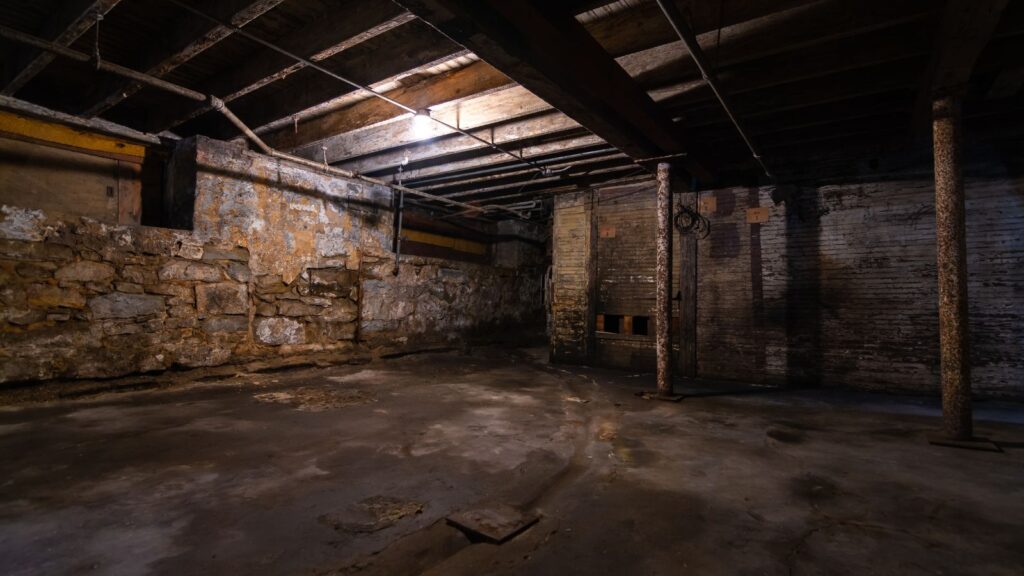
Every homeowner feels a sense of dread when they spot a new crack on their basement wall. It is natural to worry that the house is slowly pulling apart or that the roof will eventually sag. These visual cues are the first signs that the hidden parts of the building are struggling.
Jumping to conclusions without a proper investigation is a risky move that leads to expensive projects. Many assume a single patch will fix every issue, but foundations are complex systems that react to soil and weather. Making guesses about the cause of a shift results in a temporary fix that fails. Accurate evaluation is the only way to determine if a house is safe or requires a major intervention.
Professionals look past the surface to find the physical reasons for the distress. For a reliable look at your structural health, many residents rely on ESOG foundation services. This level of insight helps homeowners understand what truly needs attention and what does not. With a clear diagnosis, repairs can be planned thoughtfully instead of driven by fear or urgency.
Analyzing Load Paths and Soil Interactions
Engineers begin by analyzing the load paths that transfer the weight of the roof and floors into the earth. They look at every beam to ensure the structural skeleton is correctly aligned. This reveals how the weight is moving through the framing members.
Soil interaction is the next factor as experts evaluate how the ground responds to moisture and pressure. They check if the soil is expansive clay that pushes or if it is sandy dirt that washes away. This relationship is the key to stability.
Structural movement is mapped out by comparing the current position of the foundation to its original design. This reveals if the house is sinking or if a wall is rotating. Every detail helps to define the specific mechanics of the failure.
Tools and Measurements Used in Evaluation
Professionals use tools like digital levels and laser sensors to measure the height of the foundation at multiple points. These devices detect subtle slopes that are impossible to see with the naked eye. This data provides a reliable baseline for the investigation.
Crack monitoring is a vital part of the process where sensors are placed over fissures to track movement over time. This helps to determine if a gap is active and growing or if the house has reached stability. Monitoring removes the guesswork.
Visual indicators like the gap between a window and its frame are recorded as part of the evidence. Experts look for patterns of distress that match soil behaviors or structural loads. These observations are the final pieces of the diagnostic puzzle.
Shaping the Repair Strategy With Data
Findings from the assessment serve as a roadmap for the specific repair strategy that will be used on the home. Instead of guessing, the team can target the exact areas where the support is failing or where the pressure is too high. This efficiency saves resources.
Customization is the main benefit of having hard data before any construction starts on the property. Every house requires a different mix of piers or drainage to achieve a result. The assessment ensures that the hardware matches the physical needs of the individual structure.
Defining the scope of work allows the owner to see what is needed to restore the safety of their building. It sets clear expectations for the duration and cost of the project. Clarity is the result of a thorough and professional evaluation.

Risks of Skipping the Assessment Process
Skipping the assessment process is a major risk that leads to incomplete or ineffective structural repairs. Without knowing the root cause, a team might install supports in the wrong location, causing the house to shift further. This lack of data creates a dangerous situation.
Financial waste is a common result of rushing into a project without a clear problem statement from an expert. Homeowners might pay for expensive piers they do not need or miss a drainage issue that continues to cause damage. Accuracy protects your bank account.
Unintended consequences can arise when a structure is forced into a new position without a plan. Secondary damage to the roof or the plumbing can happen if the lift is not carefully planned. Taking time to evaluate prevents these costly and stressful mistakes.
Achieving Targeted and Durable Repairs
Summarizing the main points reveals that a professional assessment is the most important step in any foundation repair journey. It turns a scary structural problem into a manageable engineering project that has a clear beginning and end. Knowledge is the key to a dry home.
Targeted repairs ensure that your investment is protected and that the stability of your property is restored for the long term. By following the data, you can have confidence that the results will stand up to the elements. Precision beats guesswork in every situation.
Durable structural solutions are the result of a commitment to accurate diagnosis and careful planning. Protecting your home starts with a deep look at the stresses acting on the foundation. A stable future is built on a solid and professional evaluation.