
Table of Contents
ToggleA cross-country move used to mean packing every chair and dresser onto a truck and hoping it fit in the new place. That habit is fading fast. How moving trends are changing the way people furnish their homes shows up in smaller moving trucks and more secondhand purchases. Many movers now start fresh rather than force old furniture into an unfamiliar floor plan. Renters relocating for work, downsizing retirees, and first-time homeowners are all asking the same question: what is worth moving, and what is worth replacing? That question is reshaping how furniture gets bought, sold, and styled nationwide. Even a local move within the same city can trigger the same rethink, not just a long-distance relocation.
Why Are So Many People Rethinking Their Furniture When They Move?
Moving forces people to put a price tag, both literal and emotional, on everything they own. That reckoning is why many movers treat relocation as a chance to edit their homes rather than simply relocate them. A sectional that barely fit the old living room often does not make the cut. Neither does a bedroom set bought a decade ago or a mismatched set of dining chairs. Moving costs are typically calculated by weight and volume, so heavier furniture raises the bill directly. That financial pressure, combined with the appeal of a clean slate, pushes many movers to throw away, sell or donate items instead of hauling them along. It is one of the clearest signs of changing furniture habits tied to a move. Even people who love their current furniture start to see it differently once a moving quote lists it by the pound.
How Is Downsizing Reshaping What People Choose to Keep?
Thinking about the move as downsizing or resizing can make those decisions easier, since the goal is not necessarily to own as little as possible but to keep furniture that still fits the space and the way the household lives. Those choices often become clearer during packing. Room-by-room packing tips help people to assess each space separately, making it easier to see which pieces are worth taking and which would only crowd the new home. Among the furniture pieces most often excluded from the new layout are:
- Oversized sectionals that dominated a larger living room
- Formal dining sets built for gatherings that rarely happen
- Duplicate storage pieces the new place has no room for
Multi-functional pieces tend to replace those bulkier originals. A bench that opens for storage or a table that expands for guests earns its keep in a smaller home.
Why Are More Movers Choosing Vintage Furniture for Their New Homes?
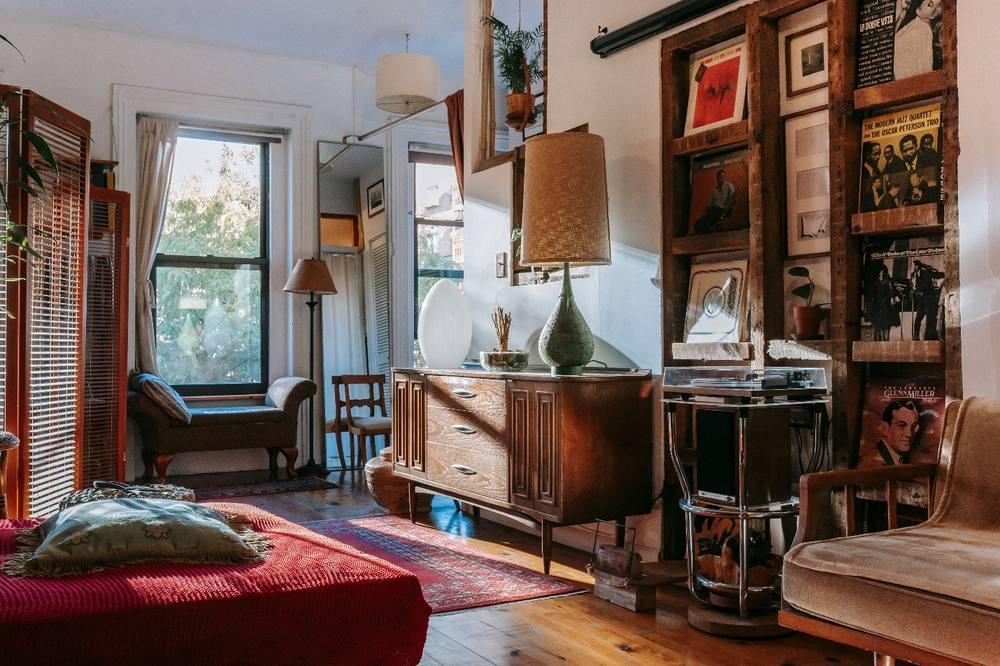
Vintage and antique furniture has moved from niche hobby to mainstream moving trend. Well-made older pieces often outlast anything sold at a big-box store today. Solid wood dressers, mid-century sideboards, and inherited dining tables are being packed up and moved rather than replaced. Their craftsmanship is hard to find in newer furniture lines. Extra care when moving vintage furniture can protect delicate finishes, joints, hardware, and older materials that may not tolerate the same handling as newer pieces. That added effort is often worthwhile for furniture with financial, sentimental, or design value, which is why so many older pieces make it into the new home instead of the donation pile.
How Moving Trends Are Changing the Way People Furnish Their Homes Today
Furniture shopping increasingly happens in stages rather than all at once. Movers now bring only essentials on move-in day. Dressers, bookshelves, and decor get added over the following weeks, once someone has lived in a space long enough to know what it needs. Following a few moving timeline tips to avoid last-minute stress can also prevent rushed furniture purchases before considering room dimensions, with traffic flow and storage needs fully understood. Buying furniture in a panic, before measuring a single room, rarely ends well. This staggered approach also cuts down on waste, since fewer pieces end up not working in the new layout.
How Are New Homeowners Staging Their Spaces Before They Even Move In?
Many new homeowners now borrow techniques once reserved for sellers. Staging principles help them plan furniture placement before the moving truck even arrives. Sketching a floor plan, or trying software that shows how a sofa will look in a room, helps prevent furniture that is the wrong scale for the space. Knowing what virtual staging actually is also makes it easier to see how digitally placed furniture can be used to test proportions, layouts, and room flow before committing to large purchases. Homeowners can apply the same thinking to their own move, experimenting with arrangements before scheduling a delivery. It saves both a return trip to the furniture store and an argument over where the couch should go.
What Do the Numbers Say About Americans Who Move and Refurnish?
National data confirms that furnishing decisions tied to moving affect a meaningful share of U.S. households every year. Recent Census Bureau migration estimates put the share of Americans who changed residences in 2024 at about 11.8 percent. That figure includes renters, homeowners, and everyone in between rethinking their furniture along the way. Even a modest percentage translates into millions of households deciding what to keep, donate, or buy new. That volume of movers helps explain why secondhand furniture marketplaces and moving-focused design content have grown alongside relocation itself. The numbers back up what many movers already sense. Furnishing a home is now treated as part of the moving process, not an afterthought. Cities with high mover turnover tend to see this pattern most clearly in local secondhand listings.
Making Your Next Move Feel Like Home
Furniture decisions during a move are rarely just about logistics anymore. How moving trends are changing the way people furnish their homes reflects a bigger shift toward intentional living. People are keeping pieces that earn their place, choosing vintage and secondhand finds with character, and planning purchases around an actual timeline instead of last-minute guesswork. Whether the move is across town or across the country, taking stock of what is worth bringing can turn an overwhelming to-do list into an opportunity. Anyone facing a move soon might start by walking through each room and deciding, piece by piece, what truly belongs in the next chapter.