
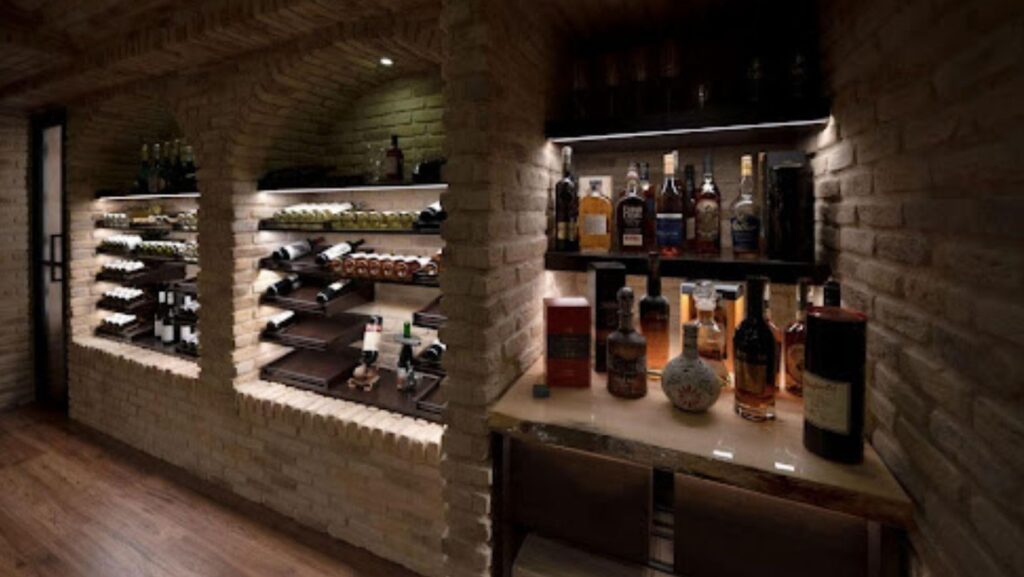
Proper wine storage plays a crucial role in preserving the flavor, aroma, and overall quality of your collection. Whether you are a casual enthusiast or a dedicated collector, having an efficient home wine storage system ensures your bottles are kept in optimal condition. Different lifestyles call for different storage solutions, which means there is no one-size-fits-all approach. By carefully planning your storage setup and considering both functionality and design, you can create a system that not only protects your wine but also complements your living space.
Understanding Your Wine Storage Needs
Before setting up your wine storage system, it is important to evaluate your specific needs. Start by assessing the size of your collection and how frequently you purchase new bottles. Some individuals may only need short-term storage for wines they plan to consume soon, while others may require long-term solutions for aging premium selections.
Consider the available space in your home, whether it is a small kitchen area, a dedicated room, or a basement. Your lifestyle will also influence your storage preferences. For example, someone who entertains often may prioritize accessibility, while a collector may focus on preservation and organization. Understanding these factors helps you choose the right storage system that aligns with your goals and habits.
Key Factors for Proper Wine Storage
To maintain the quality of your wine, it is essential to control the storage environment. Temperature is one of the most important factors, with most wines requiring a consistent range to prevent spoilage. Fluctuations in temperature can negatively affect the aging process and alter the taste.
Humidity is equally important, as it helps keep corks from drying out. Low humidity can cause corks to shrink, allowing air to enter the bottle and spoil the wine. Light exposure should also be minimized, as direct sunlight and harsh lighting can degrade wine over time.
Additionally, vibrations should be avoided since they can disturb sediment and affect the aging process. Proper bottle positioning, typically on its side, ensures that the cork remains moist and maintains a tight seal. By managing these factors, you can create an environment that supports the longevity of your wine collection.
Choosing the Right Storage Solutions
There are several storage options available, each suited to different needs and spaces. Wine racks are a popular choice for smaller collections, offering a simple and accessible way to organize bottles. They come in various styles and materials, allowing you to match them with your home decor.
Wine cabinets and refrigerators provide more controlled environments, making them ideal for those who want to maintain consistent temperature and humidity levels. These options are especially useful for preserving wine quality over longer periods.
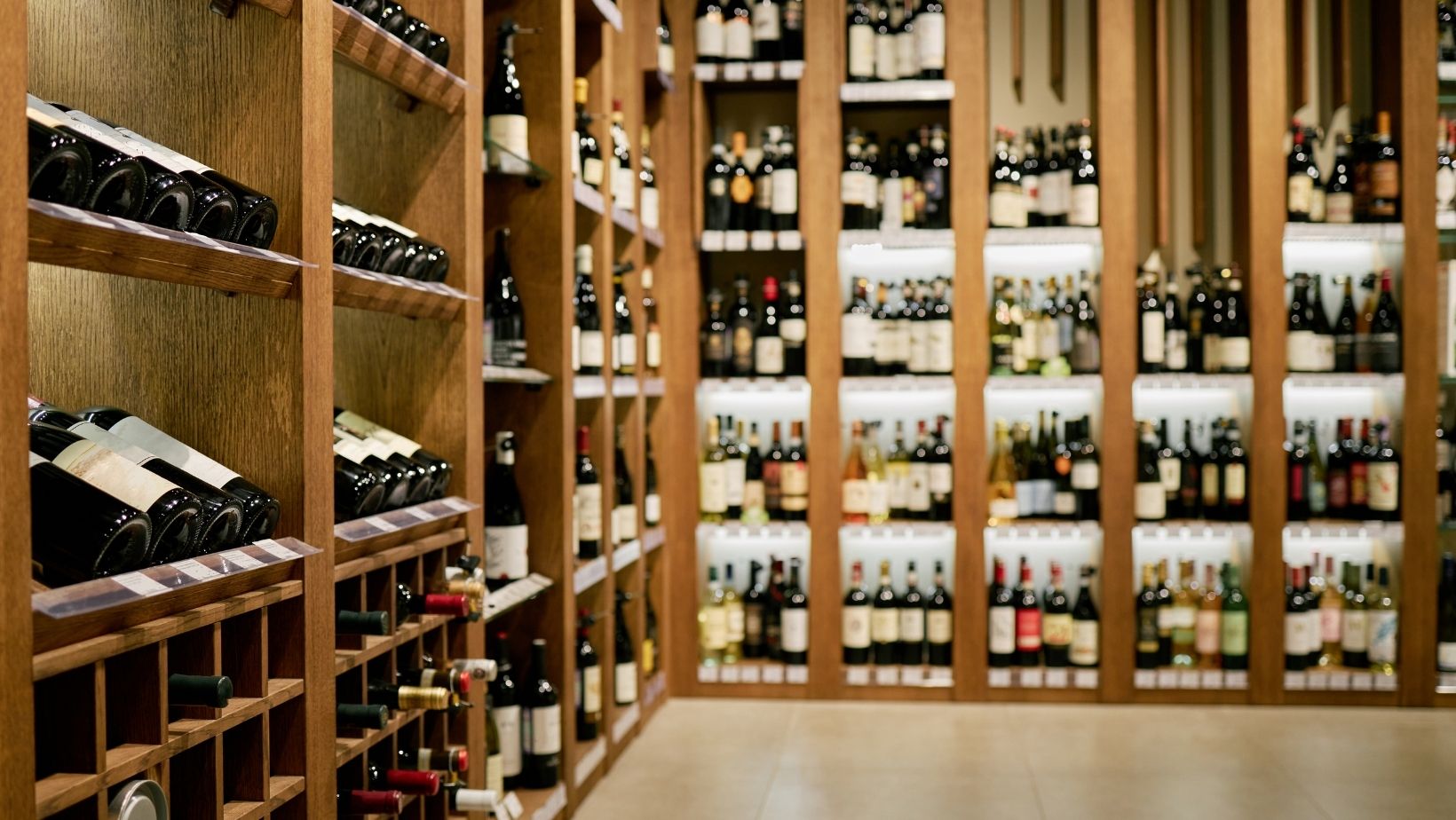
For larger collections, dedicated storage areas or rooms may be necessary. When selecting a solution, consider both practicality and aesthetics. Your storage system should not only protect your wine but also fit seamlessly into your living space. It is also wise to plan for future growth, ensuring your system can accommodate additional bottles over time.
Custom Wine Cellar: A Tailored Storage Solution
For those seeking a premium and long-term solution, a custom wine cellar offers unmatched benefits. Unlike standard storage options, a custom cellar is designed specifically to meet your collection’s size, layout, and environmental requirements. This level of customization allows for precise control over temperature, humidity, and lighting, ensuring optimal conditions for wine preservation.
A custom wine cellar can also enhance the aesthetic appeal of your home, serving as both a functional storage space and a visual centerpiece. Whether you prefer a modern design or a more traditional look, customization allows you to create a space that reflects your personal style.
If you are considering this option, it is a good idea to consult professionals who specialize in wine storage solutions. Their expertise can help you design a cellar that meets both practical and aesthetic needs. For more information on creating a tailored solution, you can contact Genuwine Cellars to explore options that align with your lifestyle and collection goals.
Organizing and Maintaining Your Collection
Once your storage system is in place, proper organization is key to maintaining efficiency. Group your wines by type, region, or aging potential to make them easier to locate. Labeling and tracking your inventory can save time and prevent unnecessary handling of bottles.
Regular maintenance is also important. Monitor temperature and humidity levels to ensure consistency, and clean your storage area to prevent dust buildup. Rotating bottles and keeping track of aging timelines will help you enjoy your wine at its best.
Common Mistakes to Avoid
Many wine enthusiasts make avoidable mistakes when setting up their storage systems. Storing wine in areas with fluctuating temperatures, such as kitchens or garages, can compromise quality. Exposure to direct sunlight or heat sources should also be avoided.
Overcrowding your storage space can limit airflow and make it difficult to access bottles. Ignoring humidity levels can lead to cork damage, while failing to plan for future growth may result in inadequate storage capacity. Being aware of these common issues helps ensure your wine remains in excellent condition.
Building a Storage System That Works for You
Creating an efficient home wine storage system requires careful planning and attention to detail. By understanding your needs, maintaining proper storage conditions, and choosing the right solutions, you can protect your collection and enhance your enjoyment of wine. Whether you opt for a simple rack or a custom wine cellar, investing in the right system ensures your wine is preserved and ready to enjoy for years to come.