
Most people start shopping for an air conditioner the wrong way. They look at price first, or brand, or whatever’s special at the hardware store. The problem is that the best system for a house in Cairns is a completely different beast from what works in Hobart or Adelaide. Australia’s climate range is genuinely extreme, and a unit that handles one end of it poorly will cost you in running costs and comfort every single day. Start with your climate. Everything else follows from there.
Heating and Cooling Capacity: The Right Size Matters
This is where many people get it wrong. In the case of an air conditioning unit, bigger does not always mean better. This is because an oversized air conditioner will cool the space too quickly and then turn off and repeat the process in a matter of minutes. This will cause it to wear out and be inefficient at the same time. On the other hand, an undersized air conditioner will run continuously without being able to attain the desired temperature setting. The right size of an air conditioner depends on the dimensions of the space, the height of the ceiling, insulation levels, window space, and the direction of the space. This cannot be guessed or calculated by an individual and should be worked out by an air conditioning expert.
Understanding Energy Efficiency Ratings
The star rating system exists to make this easier, and it does, to a point. More stars genuinely does mean lower running costs over time. But there’s a detail people miss: the ratings are tested under standardised conditions that may not reflect your actual usage. A six-star unit running in a poorly insulated room in 40-degree heat is going to work much harder than the test assumed. The rating is a useful starting point for comparison, not a guarantee of what you’ll pay quarterly. Read it alongside the unit’s capacity and your local climate data for a clearer picture.
Reverse Cycle vs. Single Function Units
If you live somewhere that gets cold in winter, a reverse cycle system is almost certainly the smarter buy. You get heating and cooling in one unit, one installation, and one remote. Single-function cooling-only units have their place, mainly in the tropical north, where winter genuinely doesn’t require much heating. But for the majority of Australian homes, a reverse cycle system handles both seasons efficiently and removes the need to run a separate heater alongside your air conditioner. Over a few years, that consolidation makes a real financial difference.
Split System, Ducted, or Multi-Zone?
Well, the simple answer is it depends, but on what, you ask? It depends on your circumstances, of course! The most popular option, and the best way to go if you’re just starting out, would be the split system, as it’s the cheapest, the simplest, and the most effective solution for the average home, whether it be an open plan or just a single room that needs air-conditioning. The ducted system, on the other hand, is perfect for the whole home, as it hides all the unsightly machinery, but it comes at a higher initial cost, as well as the need to plan it in during the design or renovation phase of your home. The multi-zone option attempts to provide the best of both worlds, allowing you to air-condition the most important areas of your home without the expense of ducting.
Local Climate Conditions and System Performance
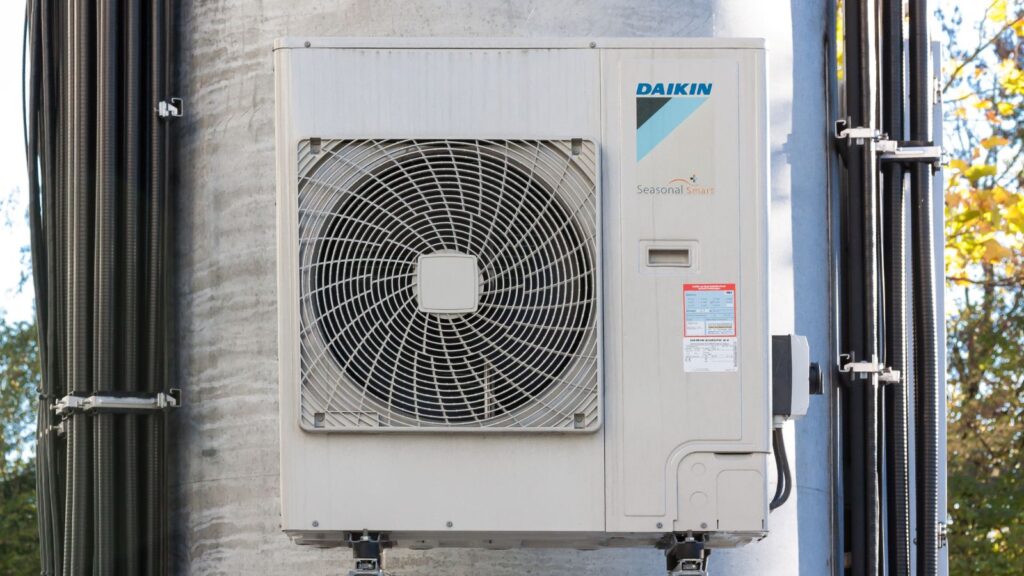
One aspect of air conditioners that doesn’t get enough consideration is the range in which the unit operates, as described in the product specifications. Not enough people read these specs, but if you live in an area that commonly sees days in the summer that rise to 43 or 44 degrees, you want a unit that works in those temperatures, not just up to 35 degrees. Likewise, if you live in an area that commonly sees temperatures drop below zero in the winter, you want a unit that works in those temperatures as well. Some air conditioners are simply not built for extreme temperatures, and this is one of the things you can do to help you choose the right unit before you buy it.
Installation Quality Matters as Much as the Product
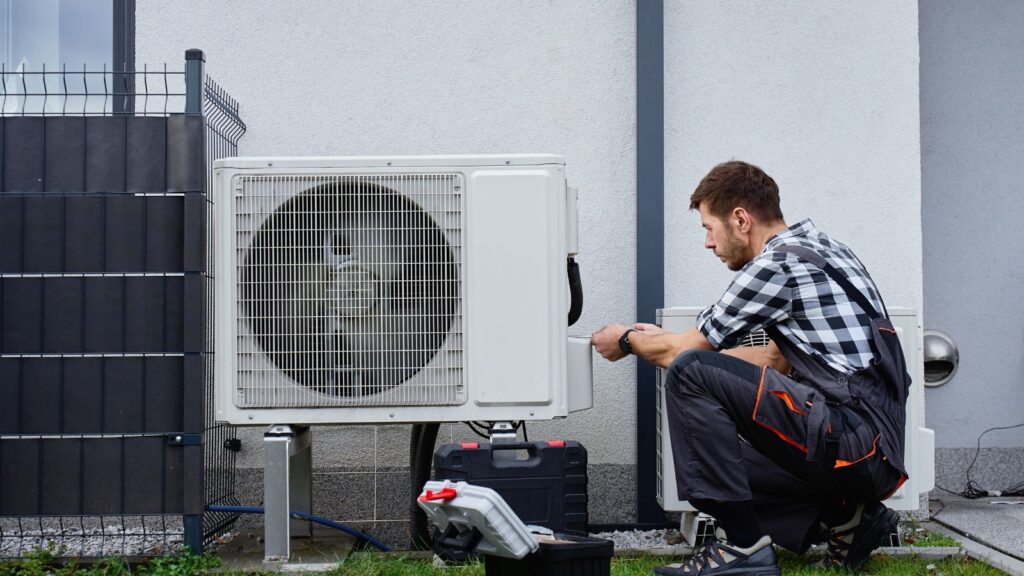
A good unit installed badly is a bad unit. That’s not an exaggeration. Incorrect refrigerant charge, poorly positioned indoor units, and undersized pipework all drag down efficiency and shorten equipment life. Australia requires licensed refrigeration technicians to handle the refrigerant side of installation, so make sure whoever you hire holds the right credentials. It’s also worth asking whether your installer has experience in your climate zone specifically, because installation considerations vary between humid coastal areas and dry inland regions. Don’t let the last step of the process be the weak link.
Making the Right Choice for Long-Term Comfort
Take your time with this decision. It’s not a small purchase, and it’s going to affect your daily comfort for the next ten to fifteen years. Understand your climate, get your room calculations done properly, compare running costs rather than just sticker prices, and use a qualified professional for installation. The homeowners who regret their choice almost always skipped one of those steps. The ones who got it right are usually the ones who treated it as the significant, long-term investment that it actually is.