

Mobile home park investing might sound like a quirky side hustle, but it’s quickly becoming the darling of savvy investors everywhere. With rising housing costs and a growing demand for affordable living, these parks are like hidden treasure chests waiting to be discovered. Who wouldn’t want to cash in on a booming market while providing a roof over someone’s head?
Mobile Home Park Investing
Mobile home park investing represents a growing trend within the real estate sector. Investors recognize the increasing costs of traditional housing and the rising demand for affordable living options. These parks serve as essential properties that provide low-cost housing alternatives in various markets.
Investors view mobile home parks as stable revenue streams. Collecting monthly lot rents generates consistent cash flow, making this investment appealing. Furthermore, the operational costs tend to be lower compared to other types of real estate, adding to profitability.
Market research indicates that mobile home parks often exhibit higher occupancy rates than traditional rental properties. Longer tenancies result from tenants seeking affordable, stable living environments. Additionally, the demand for such housing continues to grow, driven by shifting economic factors and demographic trends.
Investing in mobile home parks also presents value-add opportunities. Owners can increase revenue through park improvements and enhanced amenities. Implementing better management practices can lead to operational efficiencies and improved tenant satisfaction.
With a relatively low entry barrier, mobile home park investments attract diverse investors. Many find financing options favorable, supporting those who wish to enter the market. Market conditions and the potential for appreciation further enhance their attractiveness.
Potential investors should conduct thorough due diligence before entering this sector. Assessing market conditions, property management needs, and legal obligations proves vital in making informed decisions. Knowledge of local zoning laws and regulations enhances the ability to maximize investment returns.
Benefits Of Mobile Home Park Investing
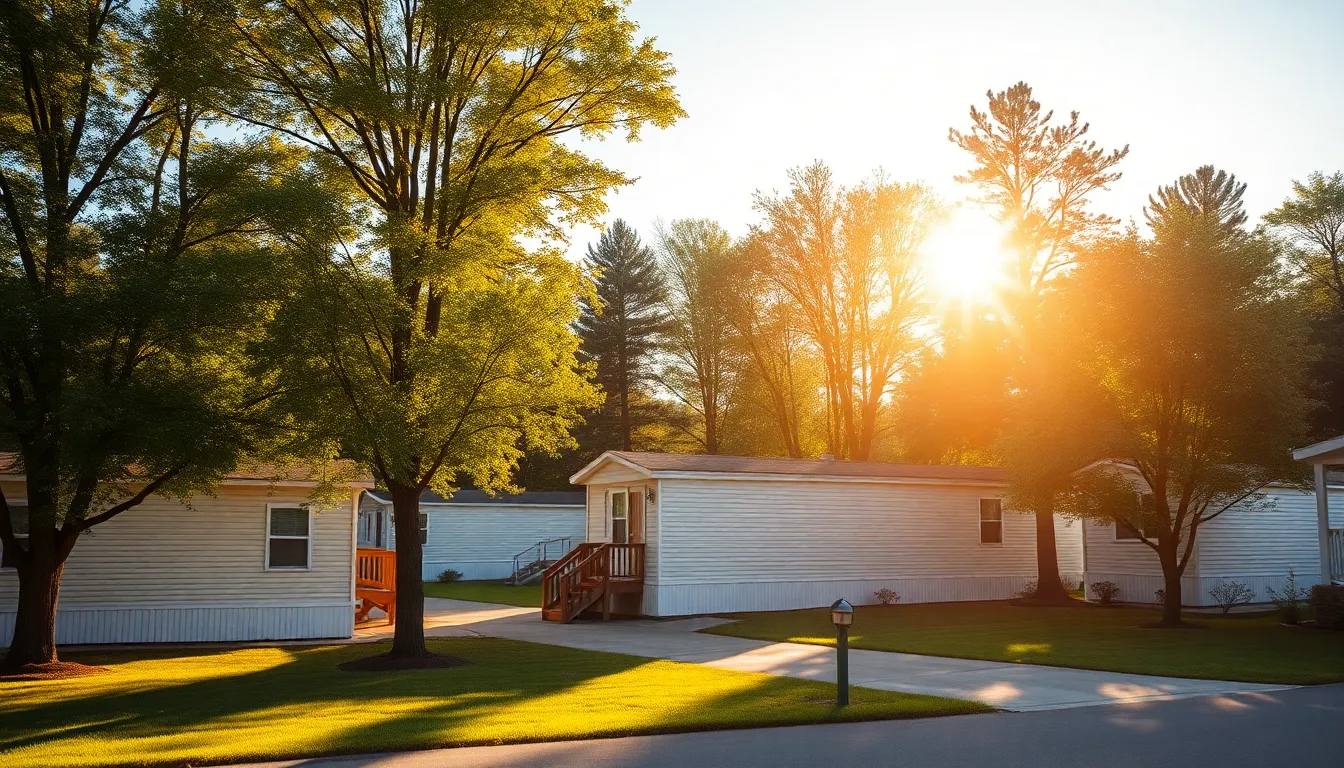
Mobile home park investing offers significant advantages in today’s real estate landscape. Steady revenues and long-term growth potential characterize this unique sector.
Steady Cash Flow
Investors looking for consistent cash flow find mobile home parks appealing. Monthly lot rents create a reliable income stream. This financial stability often outperforms other real estate options due to lower vacancy rates and tenant turnover. Historical data shows mobile home parks maintain high occupancy rates, often exceeding 85%. Tenants tend to stay longer, with many residing in the same park for years. Thus, this setup minimizes turnover costs and maximizes revenue potential. Also, lower operational expenses compared to traditional rental properties contribute to greater profitability.
Low Competition
Low competition in the mobile home park sector benefits savvy investors. Fewer existing parks make entering this market less daunting. Many prospective investors shy away from this niche due to misconceptions regarding mobile homes. Moreover, limited new mobile home parks develop each year, resulting in a stronger foothold for existing investors. As demand for affordable housing continues to rise, the limited supply enhances the attractiveness of mobile home parks. Investors can capitalize on this situation, leveraging the scarcity to generate higher returns. Overall, lower competition provides a unique opportunity for those willing to explore this investment route.
Challenges Of Mobile Home Park Investing
Mobile home park investing presents several challenges that can affect profitability and operational success. Understanding these challenges enables investors to make informed decisions.
Management Issues
Management issues often arise in mobile home parks. Investors might face difficulties in maintaining tenant relationships and ensuring property upkeep. High tenant turnover can lead to increased operational costs, impacting overall profitability. Finding reliable staff adds another layer of complexity, as quality management directly influences tenant satisfaction. Implementing effective strategies for maintenance and communication can mitigate these challenges, helping to retain tenants and maintain the property’s value.
Regulatory Compliance
Regulatory compliance poses significant challenges for mobile home park investors. Local and state regulations often govern zoning, tenant rights, and park operations. Navigating these legal frameworks requires thorough research and awareness of changes in legislation. Failure to comply can result in fines or operational disruptions. Adhering to regulations not only protects investors but also enhances tenant security, creating a more stable living environment that attracts residents in the long term.
How To Get Started In Mobile Home Park Investing
Starting in mobile home park investing requires thorough preparation and strategic planning. Researching potential parks serves as a foundational step in the process.
Researching Potential Parks
Investors should analyze local markets for opportunities. Fundamentals like occupancy rates need assessment for potential parks. Identifying areas with a high demand for affordable housing enhances the likelihood of success. Utilize online resources and databases to gather data on existing parks. Reviewing property listings can reveal insights into pricing and tenant demographics. Create a checklist to evaluate key factors such as location, park size, and amenities. Engaging with local real estate professionals can provide additional context and expert guidance. Staying abreast of market trends facilitates informed decisions and strategic positioning within a competitive landscape.
Financing Options
Securing financing forms a crucial aspect of mobile home park investing. Numerous options exist, catering to different investment strategies and financial situations. Traditional bank loans stand as a popular choice for seasoned investors. Utilizing government-backed loans, such as FHA or USDA loans, can offer favorable terms for buyers of mobile home parks in rural areas. Investor groups and crowdfunding platforms provide alternative financing avenues, allowing participation with lower capital requirements. Considering seller financing options can also enhance access to property, particularly in seller-favorable markets. Assessing each financing option’s terms, interest rates, and repayment schedules ensures that he chooses the best fit for specific investment goals.
Conclusion
Mobile home park investing presents a compelling opportunity for those looking to tap into a growing market. With the rising demand for affordable housing and the potential for steady cash flow, investors can find valuable assets in this sector. The combination of lower operational costs and higher occupancy rates makes it an attractive option compared to traditional real estate investments.
While challenges exist such as management and regulatory compliance, thorough research and strategic planning can mitigate risks. By understanding the market and utilizing available resources, investors can position themselves for long-term success. As the landscape of affordable housing continues to evolve, mobile home parks stand out as a unique investment avenue worth considering.