
But every year, households across the region experience anxiety as hurricane season arrives. With a major storm on the way, preparation remains key to bolstering property and personal safety. Being prepared enables families to weather obstacles and challenges with more confidence and peace of mind.
Assessing Vulnerabilities
The first step in knowing how to prepare your home for a hurricane is to check for vulnerabilities on the property. Inspect roofs, windows, and doors for signs of damage or wear that extreme weather conditions could exacerbate. Identify trouble spots early and mitigate risk by giving these areas prompt attention before a storm approaches.
Securing Windows and Doors
Winds strong enough can snap glass and break through doors. Install storm shutters or board up windows with 5/8-inch plywood. Adding additional locks or deadbolts to entryways may help keep the wind from pushing a door open during a particularly strong gust and help limit water damage.
Roof and Gutter Maintenance
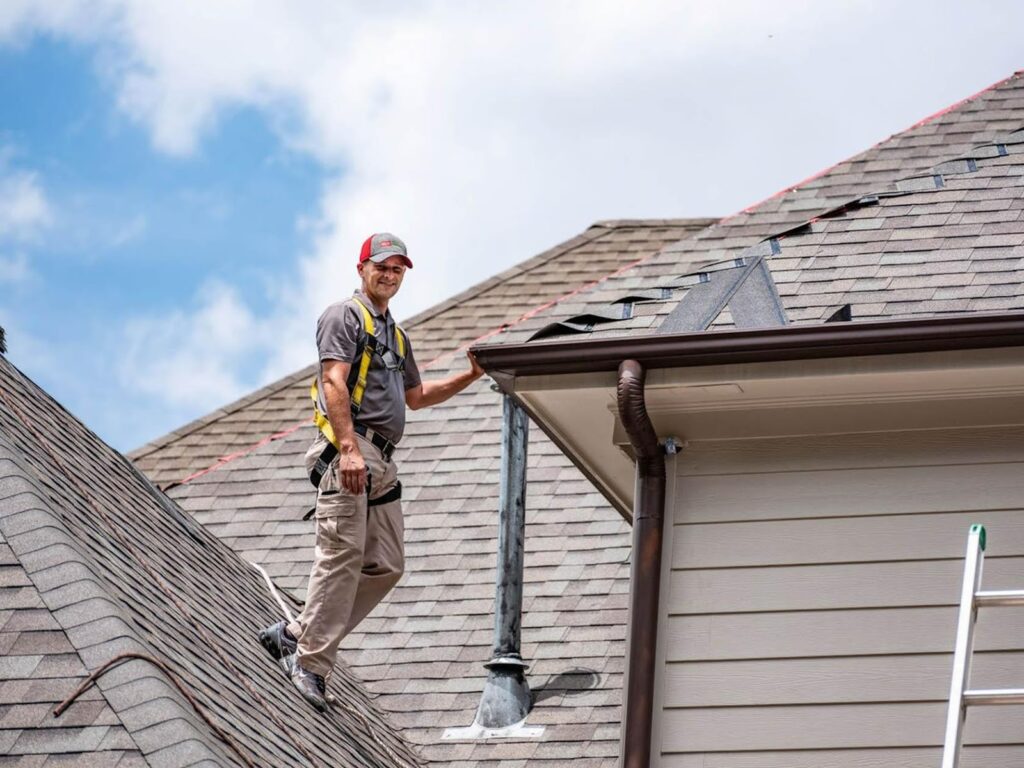
During a hurricane, having a solid roof remains one of the most important options. Remove debris from gutters and downspouts to prevent water from pooling and leaking. If you have any missing or broken shingles on your roof, get them repaired. Roof maintenance, especially in areas with high winds, is crucial because it can dislodge weak or damaged shingles, allowing water to leak inside the house.
Clearing Outdoor Areas
Winds can be strong enough to turn loose outdoor items into dangerous projectiles. As a precaution, bring in lawn furniture, potted plants, and decorations. Reduce the chance of trees falling on your house by trimming trees and removing weak branches near your property.
Stocking Emergency Supplies

Assemble an emergency supplies kit for the whole family. These include water, enough food for a couple of days, flashlights, batteries, first-aid supplies, and a few days’ worth of medication. Stock enough for 3 days or more in case the services go out and need some time after the storm to resume.
Planning for Power Outages
Extended power outages from hurricanes are common. Ensure that mobile devices are fully charged in advance and have extra batteries or power banks available for use. For homeowners looking for a more reliable long-term backup power solution, whole house generator installation can help keep essential systems running throughout extended outages. If using a portable generator, carefully read the safety instructions associated with its operation. Never run a generator indoors, as indoor operation can be fatal.
Protecting Important Documents
Use waterproof containers to keep important papers safe and secure. These can be things like insurance policies, ID cards, medical records, and asset deeds. It’s also a good idea to store digital versions on secure drives or in cloud storage to gain access to these documents if the physical copies are damaged or misplaced.
Preparing the Garage and Vehicles
If possible, park vehicles inside the garage or move them to higher ground to avoid the risk of rising waters. Install a bracing kit or reinforced panel to secure garage doors. Remove hazardous substances or combustible liquids from garages and store them in high, secure areas.
Evacuation Planning
Learn local evacuation routes and procedures before a warning is issued. Disclose your plans to all household members and agree on a safe location to meet in person. If authorities issue evacuation orders, be prepared to leave quickly by packing a go-bag with essential items, including clothes, toiletries, cash, and copies of other vital documents.
Communicating With Loved Ones
Develop a communication strategy to ensure everyone knows how to stay in touch during an emergency. Assign an out-of-town contact to report news if telephone lines become unreliable. Write down your important numbers and ensure each family member has access to them (not just saved in a phone).
Checking Insurance Coverage
Review your home insurance policies before hurricane season arrives. Check whether flood or wind damage is covered (standard policies exclude these risks). If you have questions or want to increase coverage for added peace of mind, please contact your provider.
After the Storm
If you evacuated, wait until you receive the all-clear signal from the authorities to return home. Survey the premises safely, and stay alert for hazards such as downed wires or standing water. If there is any damage, take pictures and notes to help with insurance claims, and refrain from making risky repairs yourself; instead, contact a professional for assistance.
Staying Informed
During hurricane season, be sure to check the weather forecasts from reliable sources regularly. Get the local alerts you need to stay informed about potential threats. Staying updated enables families to respond in time and make informed decisions before the situation escalates.
Wrapping Up
Hurricanes do most of their damage before anyone can react, so preparation is still your best friend. These measures, when implemented on time, can help safeguard property and people. Forward thinking and preemption provide comfort and enable everyone to endure storms resoundingly.