
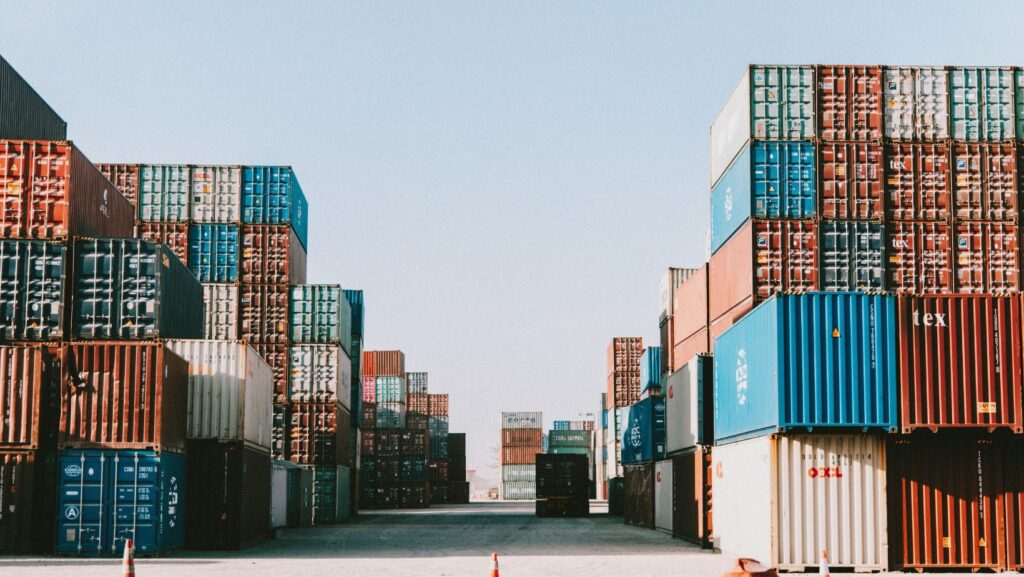
Steel containers support industries ranging from construction to logistics, storage, agriculture, and emergency response. Their durability is well known, although exposure to moisture, chemicals, and temperature changes can gradually weaken even the strongest steel structures.
Rust development affects structural integrity, cargo safety, and long-term performance. Preventing corrosion requires consistent care, early detection, and targeted maintenance practices.
Many people seek reliable units for long-term use and encounter regional offers such as options to purchase storage containers in Allentown from Pelican Containers, which often include professionally inspected steel structures. Local availability connects directly to the demand for rust-resistant units, because customers increasingly value containers that remain structurally sound for decades with proper maintenance.
Why Steel Containers Are Vulnerable to Corrosion
Steel interacts with oxygen and moisture through a natural process called oxidation. This chemical reaction weakens the surface and creates rust. The rate of corrosion depends on environmental conditions, including humidity, salt exposure, and temperature fluctuation. Containers used in coastal or industrial regions face accelerated deterioration because pollutants and salt particles increase chemical activity.
Surface Damage as a Corrosion Trigger
Surface damage exposes raw steel to moisture and accelerates the oxidation process. Scratches, dents, and worn paint reduce the protective capacity of coatings. Heavy equipment handling can increase the risk of minor structural damage that becomes a long-term vulnerability.
Operators should treat damaged areas immediately. Prompt repairs prevent rust expansion and keep the structural framework stable. Ignoring small surface defects often leads to widespread corrosion in high-exposure environments.
Common factors that lead to surface damage on steel containers are:
- Improper handling during loading and transport activities
- Contact with abrasive materials stored inside the container
- Long-term exposure to sharp tools or heavy mechanical equipment
- Repetitive movement caused by vibration during travel.
Moisture Accumulation and Poor Ventilation
Moisture trapped inside a container creates a high-humidity environment that supports rapid corrosion. Temperature changes cause condensation to form on walls and ceilings. Poor ventilation prevents moisture from escaping, which leads to surface oxidation.
Ventilation systems allow air circulation to stabilize humidity levels. Containers used for long-term storage benefit from passive airflow designs or additional vents. Insulation can also reduce condensation by minimizing temperature swings.
Below is a list describing conditions that increase internal moisture buildup:
- Rapid temperature fluctuation during daily heating and cooling cycles
- Storing damp or freshly cleaned equipment inside the container
- Limited airflow due to obstructed or missing vents
- Placement of containers on unstable or wet ground surfaces.
Protective Coatings and Treatment Options
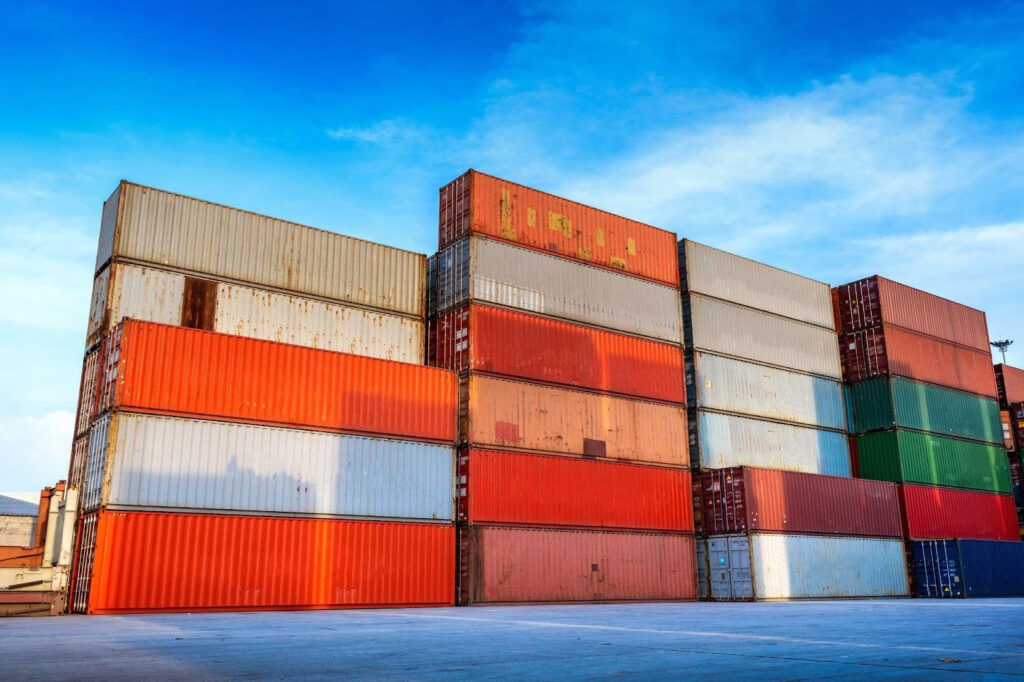
Protective coatings form a barrier between steel surfaces and environmental elements. These coatings reduce oxidation by preventing direct contact with moisture and oxygen. Containers are typically manufactured with industrial-grade paint systems, although long-term use requires periodic renewal.
Coating types vary according to climate conditions and operational demands. Epoxy-based systems, marine-grade paint, and zinc-rich primers provide strong adhesion and resistance to chemical exposure. Owners should evaluate coating performance during annual inspections and reapply products when wear becomes visible.
Painting and Repainting Guidelines
Paint must adhere evenly to the container surface to provide full protection. Preparation includes removing loose rust, cleaning debris, and applying primer before painting. High-quality paints deliver longer resistance to weather conditions and help preserve structural integrity.
Repainting schedules depend on environmental exposure. Containers placed in coastal regions or industrial facilities may require coatings every few years. Containers used primarily for storage in dry regions may undergo longer intervals between repainting.
Essential steps in the repainting process:
- Clean the surface thoroughly to remove dirt and loose particles.
- Sand or grind damaged areas to remove existing rust.
- Apply a zinc-rich or corrosion-resistant primer.
- Finish with an industrial-grade topcoat suited for the climate.
Following these steps ensures a strong protective barrier across the container exterior.
Routine Maintenance and Inspection Practices
Routine inspections prevent minor corrosion from developing into structural issues. Owners should examine containers quarterly, especially those in humid or high-salt environments. Inspections include the roof, base frame, corners, doors, vents, and floorline edges.
Critical Points of Inspection
Some parts of a container rust faster because they experience greater exposure or mechanical stress. The roof collects standing water during storms. Door seals trap moisture when damaged. The lower frame interacts with wet soil, snow, or pooling rainwater.
These high-risk sections should receive detailed inspection. Irregularities such as blistering paint, discoloration, or weakened metal require immediate treatment. Addressing issues early prevents rust from spreading beneath the protective coating.
Effective Storage and Placement Strategies
Storage conditions influence corrosion development. Containers placed on uneven or wet ground experience prolonged exposure to trapped moisture. Elevated placement improves airflow and reduces contact with water and soil.
Positioning for Environmental Protection
Positioning containers strategically reduces exposure to harsh elements. Orientation away from prevailing winds decreases rain infiltration. Location near natural shade or protective structures reduces sun damage, which can weaken coatings over time.
Containers stored in open industrial areas benefit from windbreaks or protective fencing. These structures limit wind-driven moisture and airborne contaminants. Reduced exposure helps maintain exterior coatings for longer durations.
Long-Term Preservation for Durable Use
Long-term preservation relies on consistent application of preventive measures. Containers maintained with high-quality coatings, proper ventilation, and routine inspections are capable of remaining functional for many years. Owners who follow structured maintenance plans preserve structural strength and cargo safety.