
Table of Contents
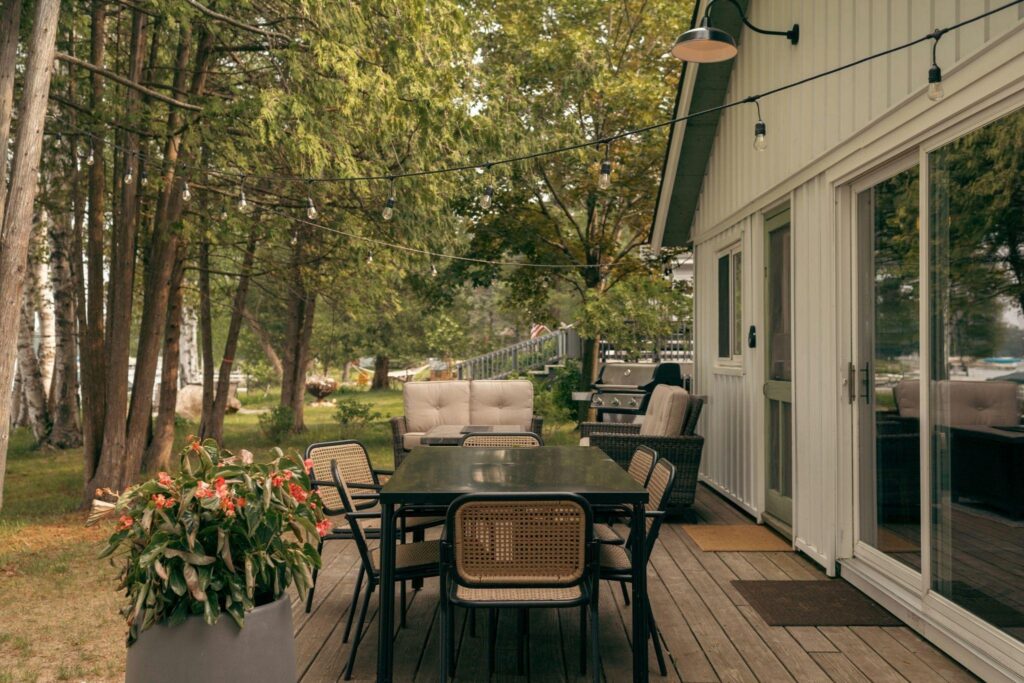
ToggleIf you added up what you spent on your outdoor dining setting, there’s a fair chance it ranks among the biggest furniture purchases you’ve made outside the living room. A quality table and six chairs can easily run into the thousands, and you bought it imagining years of long lunches, birthday dinners, and lazy weekend breakfasts in the fresh air. Then it went outside, into conditions no indoor furniture would survive a month of, and the clock started ticking.
Here’s the encouraging part. The difference between an outdoor setting that looks tired in two years and one that still impresses guests in year ten has very little to do with how much you spent. It comes down to a handful of protective habits that take minutes, cost next to nothing, and quietly change the entire ownership experience. Most people never adopt them simply because nobody ever explained how easy they are.
Know What Your Table Is Up Against
Outdoor furniture faces a slow, daily assault that owners rarely think about because it happens while nobody’s watching. Sunlight is the most relentless attacker, breaking down finishes, fading color, and drying timber until it cracks, and it does this on pleasant days just as effectively as harsh ones. Moisture works the night shift, settling as dew on every surface and finding its way into joints, fixings, and end grain, where it feeds rust in metal and rot in wood.
Then there’s the grime economy operating above your patio. Trees drop sap and leaves that stain, birds make their contributions, and pollen settles into a film that bonds with morning dew into a stubborn crust. The table takes the worst of all of it, and that’s worth understanding. Chairs get tucked in, angled, and shielded, but the table presents a large flat surface directly upward, catching everything the sky delivers all day, every day. It’s the centerpiece of the setting and the most exposed piece in it, which is exactly why tables tend to fail before the chairs around them.
Material Matters: Matching Care to What You Own
Protection starts with knowing what you own, because each material fails in its own way and wants slightly different care. Timber tables, especially hardwoods like teak and eucalyptus, want a clean and a fresh coat of oil or sealer once or twice a year to keep moisture out and stop the surface from graying and splitting. It’s a satisfying hour of work that restores the color dramatically, and skipping it for a few years is how a beautiful timber top becomes a weathered gray slab.
Metal settings want your eyes more than your labor. Check powder-coated aluminum and steel for chips and scratches where rust can start, touch them up early, and keep an eye on welds and bolt points where corrosion begins. Glass tops need less maintenance but more respect, since a hard knock or extreme temperature swing can end them instantly, while stone and concrete tops resist weather well but drink up stains from spills and leaves if left unsealed. Wicker and synthetic weaves mostly fear the sun, which makes cheap versions brittle within a couple of summers. Whatever the material, the routine is short. Know its weakness, check it seasonally, and act while problems are small.
The Easiest Win: Cover It Between Uses
Every habit above helps, but one habit outworks them all, and it’s the simplest of the lot. Keep the weather off the furniture when you’re not using it. Do the honest math on your outdoor setting and you’ll find it sits idle at least ninety percent of its life, and every one of those idle hours is exposure you can simply switch off.
A fitted outdoor table cover is the tool for the job, sliding on in under a minute and blocking the sun, rain, dew, droppings, and grime that do nearly all the damage. Quality matters here, and it’s worth knowing why. A cheap tarp or ill-fitting cover traps humidity underneath, creating a condensation chamber that rusts metal and rots timber faster than open air would, and it flaps loose in the first real wind. A proper cover is waterproof from above yet breathable enough to let moisture escape, shaped to your table’s dimensions so it stays secure, and made with UV-stable fabric that doesn’t crack after a season. Pair one with covers for the chairs, or stack the chairs under the table’s cover if space is tight, and the whole setting effectively moves indoors without going anywhere.
The habit that makes it work is a small one. Cover the setting when you finish using it, not when bad weather is forecast, because forecasts are missed and dew arrives nightly regardless. Uncovering takes seconds, and guests never see anything but furniture that looks freshly bought.
Seasonal Habits That Take Minutes
Around the covering habit sits a light seasonal rhythm that catches everything else. Twice a year, once before winter and once before the entertaining season kicks off, give the setting a proper clean with mild soapy water, let it dry completely, and deal with the material-specific job, whether that’s oiling the timber, touching up a chip in the metal, or resealing a stone top. Cleaning before covering matters more than people realize, since sealing grime and sap under a cover for months lets them bond with the finish permanently.
While you’re at it, check the hardware. Bolts loosen over a year of use and temperature swings, and a wobbly table is usually a two-minute fix with a spanner rather than a structural failure. Look underneath occasionally too, because the underside of a table tells you the truth about moisture damage before the top ever shows it. Catch problems at this stage and they’re trivial, with a bit of sanding here or a dab of rust converter there. The expensive failures are almost always small problems that got two years of ignoring.
Buying Once Instead of Twice
All of this rolls up into a simple piece of ownership math. An unprotected outdoor setting typically needs replacing every three to five years, which means the thousand-dollar purchase is really a recurring subscription. A protected one routinely runs ten to fifteen years, and often longer, with the total cost of that protection amounting to a cover, some oil or sealant, and a few hours annually.
The same logic applies whether you own a modest setting or a premium one, and it applies double if you’re planning to upgrade, since well-kept furniture holds resale value while weathered furniture is worthless. Protecting your outdoor dining investment isn’t a chore list, it’s a habit and a rhythm, and both are easy enough that the only real question is why the furniture industry doesn’t mention them at the checkout. The answer, of course, is in the replacement cycle, and now you know how to opt out of it.