
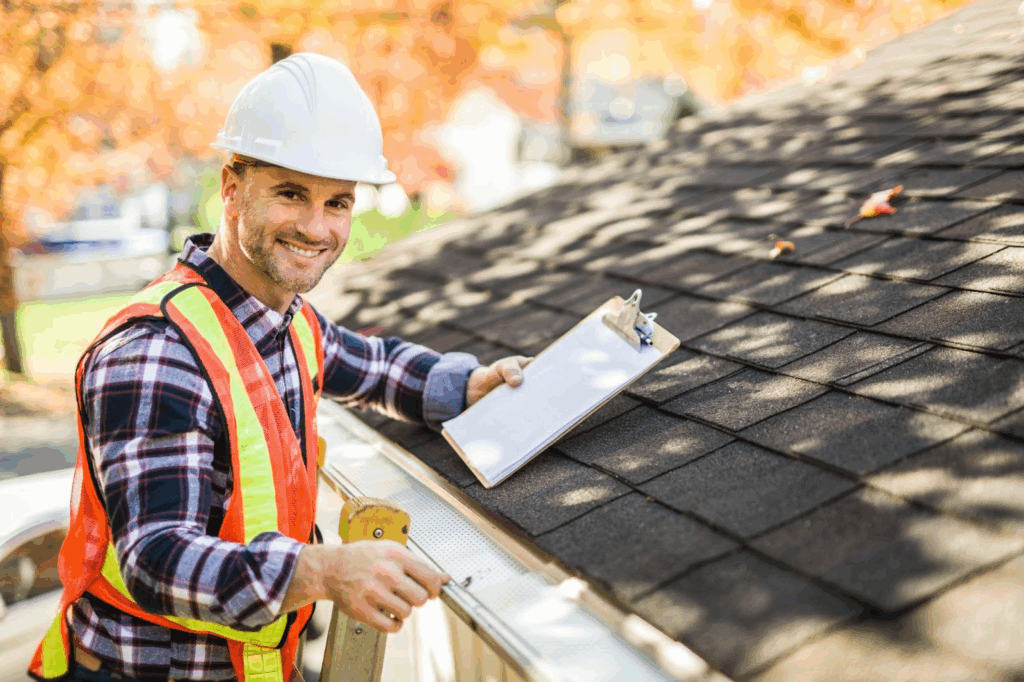
Roof maintenance tips are essential for homeowners looking to prevent leaks and extend their roof’s lifespan. Regular inspections, cleaning gutters, and addressing minor issues like shingle damage can save significant costs over time. Understanding seasonal care, such as preparing for harsh weather, ensures your roof remains durable. By staying proactive with roof leak prevention and knowing when to seek professional help, you can maintain a sturdy and reliable roofing system for years to come.
Table of Contents
- Essential Steps for Effective Roof Maintenance
- Common Signs of Roof Damage You Shouldn’t Ignore
- Seasonal Tips to Extend Your Roof’s Lifespan
- Final Thoughts on Roof Maintenance Tips for Homeowners
A well-maintained roof is a homeowner’s first line of defense against the elements, yet it’s often overlooked until problems arise. From leaks to structural damage, neglecting roof care can lead to costly repairs and even compromise your home’s safety. Understanding how to identify potential issues early can save both time and money, while also extending the life of your roofing system.
Regular inspections by professionals who specialize in roof repair in Calgary can help pinpoint problem areas before they escalate. Simple steps like clearing debris from gutters or replacing damaged shingles can make a significant difference in your roof’s performance. By staying proactive with seasonal maintenance, homeowners can avoid unexpected headaches and make sure their homes remain protected year-round.
Essential Steps for Effective Roof Maintenance
Regular roof maintenance is the cornerstone of a durable and leak-free home. By addressing minor issues early, homeowners can prevent costly repairs and extend their roof’s lifespan. Below are foundational steps every homeowner should incorporate into their routine to keep their roof in optimal condition.
Conduct Routine Inspections
Frequent inspections are critical to identifying problem areas before they escalate. Consider these key actions:
- Check for missing, cracked, or curling shingles, as these can lead to leaks.
- Inspect flashing around chimneys, vents, and skylights for signs of wear or gaps.
- Look for debris buildup in gutters and downspouts, which can cause water backup.
Professional inspections, such as those offered by experienced teams in roof repair, provide detailed insights and peace of mind. For example, a recent client noted how prompt communication and clear visuals helped them address flat roof issues effectively.
Clean Gutters and Downspouts
Clogged gutters can lead to water pooling, which damages roofing materials and underlying structures. Cleaning them twice a year – especially before winter – promotes proper drainage and prevents moisture-related problems.
Address Minor Repairs Promptly
Small issues like loose shingles or minor leaks might seem insignificant but can worsen over time. Addressing these promptly helps maintain the integrity of your roof and avoids larger expenses later.
By staying proactive with these steps, homeowners can safeguard their roofs against premature wear and tear.
Common Signs of Roof Damage You Shouldn’t Ignore
Identifying roof damage early is key to preventing extensive repairs and maintaining your home’s structural integrity. While some signs are obvious, others may be subtle and require closer inspection. Below are indicators that your roof may need attention, along with guidance on how to address them effectively.
Water Stains on Ceilings or Walls
One of the most common signs of roof damage is water stains on your interior walls or ceilings. These stains often indicate leaks caused by damaged shingles, poor flashing, or clogged gutters. For instance, a homeowner dealing with flat roof issues might notice discoloration after heavy rain. Addressing the root cause promptly can prevent further water infiltration and costly interior damage.
Missing or Damaged Shingles
Shingles are your roof’s first defense against the elements. Missing, cracked, or curling shingles compromise this protection, leaving your roof vulnerable to leaks and weather damage. Regular inspections can help identify these issues early. According to experts in roof repair, replacing damaged shingles promptly is a cost-effective way to maintain your roof’s durability.
Sagging Rooflines
A sagging roof is a serious issue that requires immediate attention. This problem often arises from structural damage, excessive weight from snow, or water pooling on flat roofs. If you notice any sagging, consult a professional promptly to assess the underlying cause and recommend repairs.
Granules in Gutters
Finding granules from asphalt shingles in your gutters is a sign of aging or worn-out roofing materials. Over time, exposure to harsh weather conditions causes shingles to lose their protective coating. Replacing old shingles before they fail completely can save you from unexpected leaks during storms.
If your heating or cooling costs have risen unexpectedly, it could be due to poor attic ventilation or insulation caused by roof damage. Proper airflow and insulation not only supports energy efficiency but also extends your roof’s lifespan.
Seasonal Tips to Extend Your Roof’s Lifespan

Your roof faces different challenges depending on the season, and adapting your maintenance routine accordingly can significantly extend its lifespan. From preparing for harsh winters to addressing summer heat, seasonal care makes your roof remain resilient year-round. Here are practical tips tailored to each season.
Spring: Inspect and Clean After Winter
Spring is the ideal time to assess any damage caused by winter weather and prepare your roof for the warmer months ahead.
- Inspect for Winter Damage: Check for loose or missing shingles, damaged flashing, and signs of leaks. For example, a homeowner with a flat roof might notice water pooling due to snowmelt. Addressing these issues early prevents further deterioration.
- Clean Gutters and Downspouts: Remove debris that accumulated over winter to make sure proper water drainage. This step is especially important for preventing backups during spring rains.
Summer: Focus on Heat and UV Protection
Intense summer heat and UV rays can cause roofing materials to expand and contract, leading to cracks or warping.
- Check for Shingle Deterioration: Look for curled or blistered shingles, which may indicate UV damage. Replacing them promptly supports long-term durability.
- Improve Attic Ventilation: Proper airflow reduces heat buildup in your attic, which can otherwise shorten your roof’s lifespan. Homeowners who invest in attic ventilation often see improved energy efficiency as an added benefit.
Fall: Prepare for Winter Weather
Fall is the time to fortify your roof against the upcoming winter.
- Trim Overhanging Branches: Falling leaves and branches can clog gutters and damage shingles. Trimming nearby trees minimizes these risks.
- Reinforce Flashing and Seals: Inspect areas around chimneys, vents, and skylights for gaps or wear. A professional inspection, like those conducted by experienced teams in roof repair, can identify vulnerabilities before they become problems.
Winter: Monitor for Ice and Snow Accumulation
Winter brings unique challenges, such as ice dams and heavy snow loads.
- Prevent Ice Dams: Make sure gutters and downspouts are clear to prevent water from backing up under shingles. Proper insulation and ventilation also play a critical role in reducing ice dam formation.
- Remove Excess Snow Safely: Use a roof rake to gently remove snow from your roof, avoiding sharp tools that could damage shingles.
By following these seasonal tips, homeowners can proactively protect their roofs from weather-related stress.
Final Thoughts on Roof Maintenance Tips for Homeowners
Maintaining your roof is an investment in your home’s longevity and safety. By following the essential steps outlined – such as routine inspections, addressing minor repairs promptly, and recognizing signs of damage – you can prevent costly issues and extend your roof’s lifespan. Seasonal care further supports this goal, ensuring your roof is prepared to withstand the challenges of each weather cycle.
By staying proactive and informed, you can protect your home from unexpected roof-related headaches. Remember, a well-maintained roof not only safeguards your property but also adds value to your home over time.