

Introduction:
Summer 2025 is expected to bring another wave of high temperatures, and while your air conditioner is a lifesaver, it can also drive up your energy bills if not used efficiently. The good news? With a few smart adjustments and habits, you can enjoy a cool home without draining your wallet. Here are the most effective energy-saving tips to help you run your AC efficiently this summer.
1. Change the Air Filter Every 6 Months
A clogged air filter makes your AC work harder and uses more energy. Replacing or cleaning your filter every 3–6 months ensures smooth airflow, better cooling, and lower energy consumption.
2. Use a Smart Thermostat or AC Controller
Smart thermostats and controllers automatically adjust the cooling based on room occupancy or outdoor weather, reducing energy waste. You can also schedule cooling cycles and control settings remotely through your phone.
3. Keep Doors and Windows Closed
It might seem obvious, but cool air escapes fast through open doors and windows. Make sure your room is properly sealed while the AC is running to maintain the temperature and reduce strain on the unit.
4. Set the Right Temperature
The ideal temperature setting for both comfort and energy efficiency is around 24–26°C (75–78°F). Every degree lower increases your energy use by 5–10%. Avoid setting the temperature too low, especially when it’s not necessary.
5. Use the Right-Size AC for Your Room
An AC that’s too small will struggle to cool the space, and one that’s too large will cycle on and off, wasting energy. Always choose the correct capacity based on your room size and insulation quality.
6. Turn Off the AC When You’re Not Home
If nobody’s home, there’s no reason to cool an empty room. Use timers or smart thermostats to switch off the AC when not needed. You can set it to turn on just before you return.
7. Use Sleep Mode at Night
ACs with sleep mode gradually raise the temperature while you sleep, saving energy without compromising your comfort. Use this feature to reduce overnight electricity consumption.
8. Seal Air Leaks Around Windows & Doors
Even small gaps can let hot air in and cool air out. Use weather stripping or caulk to seal leaks around windows and doors. This small upgrade can significantly improve AC efficiency.
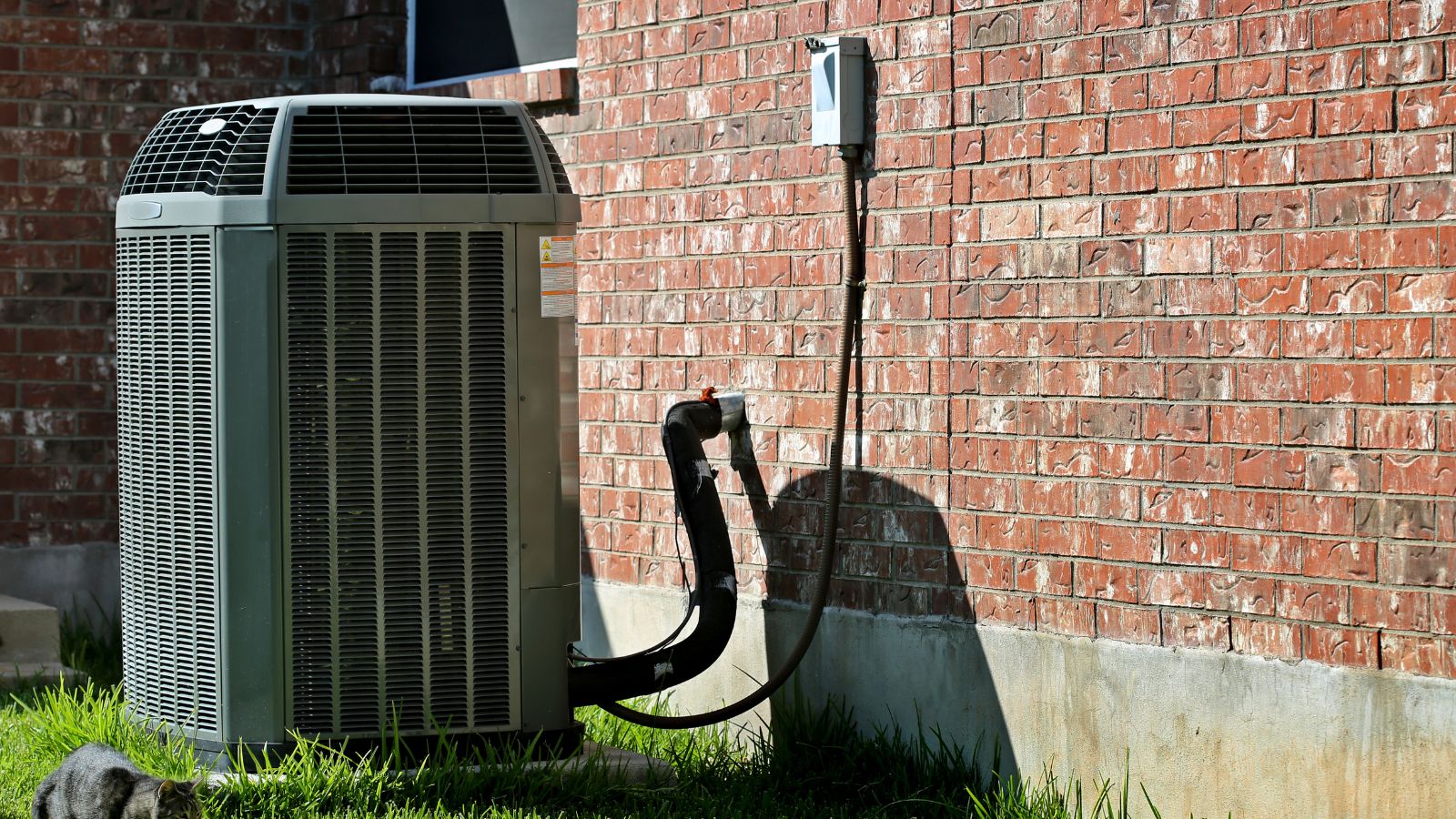
9. Clean the Outdoor Condenser Unit Regularly
Your outdoor AC unit collects dirt and debris over time, which reduces its cooling performance. Make sure it’s clean and has proper airflow around it, ideally, a foot of space on all sides.
10. Use Curtains or Blinds During the Day
Block direct sunlight with thick curtains, blinds, or shades — especially in the south- or west-facing rooms. This prevents indoor heat buildup, allowing your AC to work less.
11. Switch to Energy-Efficient AC Models (Inverter ACs)
If your AC is more than 8–10 years old, consider upgrading to an inverter model. Inverter air conditioners adjust their speed based on cooling demand, saving up to 30–50% more energy than traditional models.
12. Avoid Heat-Generating Appliances During the Day
Ovens, stoves, dryers, and even desktop computers can heat your room. Use them in the early morning or evening to reduce the cooling load on your AC during peak hours.
13. Get Help from HVAC Experts When Needed
Sometimes, no matter how many energy-saving tips you follow, your AC may still not perform at its best, and that’s when a professional inspection makes all the difference. Certified AC technicians can:
- Check for hidden issues like low refrigerant levels or faulty parts
- Recommend energy-efficient upgrades suited to your home.
- Optimize your AC’s performance for long-term savings.
- Suggest the right system size if you’re considering a replacement.
Scheduling an annual AC service before summer ensures your system is in top shape and working efficiently. A quick checkup now can save you from big repair bills and big energy bills later.
Final Thoughts:
Running your air conditioner doesn’t have to mean sky-high energy bills. By applying these smart energy-saving strategies, you can stay cool and comfortable throughout the summer of 2025 while doing your part to save energy and reduce carbon emissions.