
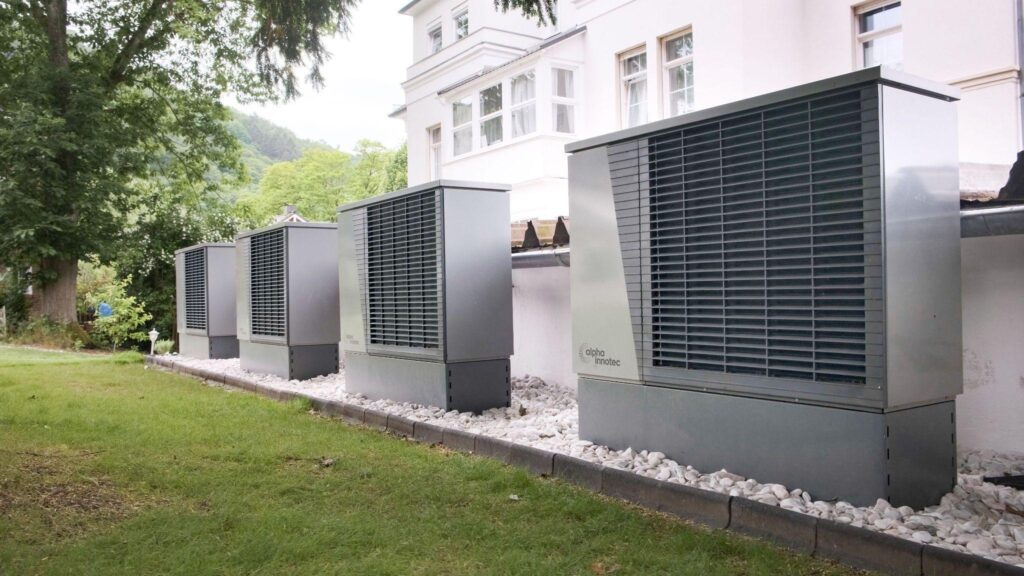
Installing a heat pump is a long-term investment. Having a detailed heat pump installation checklist can ensure comfort and performance. When choosing a model, it involves a lot more than simply looking at the equipment specifications. You have to understand the building’s infrastructure, permit requirements, and more.
This guide covers the key steps involved in residential heat pump installation, helping you prepare for the process and avoid common installation issues.
What Should You Confirm Before Ordering a New Heat Pump?
Before you purchase a unit, here is a comprehensive heat pump installation checklist.
The right system sizing is determined by footage and load calculations. The expert will consider the property’s insulation and layout as well.
Although the ductwork requirements for a heat pump are generally lower, the technician still has to check the ductwork conditions. They will confirm whether modifications are needed.
The circuit and wiring placements have to be meticulously calculated. An expert will verify the electrical requirements for safe operation.
- Space and equipment placement
In a property with multiple rooms, you have to decide where you want the heat pump. Some homeowners prefer to have a heat pump in every room, while others prefer it in selected rooms.
A lot of items on the checklist must be confirmed by licensed professionals, like Freon. Homeowners may not have access to professional load calculation equipment. Therefore, you should always get a professional assessment before committing to a model.
What Should You Check About Your Ductwork and Airflow?
Ductwork and airflow make up some of the most important heat pump installation requirements. You have to confirm:
The required sizes and layout have to be confirmed. Older ductwork may not support modern equipment.
Deteriorated ductwork may need to be modified before fitting the new system. Otherwise, the equipment may experience issues quickly.
The home layout determines the airflow. If the current layout does not support efficient air ventilation, the technicians have to think of solutions to re-route it.
Should You Prepare Your Home’s Insulation and Air Sealing?
Yes, you should. A well-insulated home experiences less energy loss. It keeps the heat or chilled air in. In the long run, you will likely save more on energy bills.
Attics, basements, and home additions are often not as well-insulated as the main structure. You can enhance the insulation to better control temperatures.
It closes the gaps and cracks in the building to reduce energy loss. It is usually recommended for older homes.
You can get double-glazed windows for better insulation. You may also add a rubber seal around the doors’ edges to minimize air loss through the gaps.
What Should You Ask the Heat Pump Installer Before Installation Day?
To make sure they are qualified, you can ask a few questions about the heat pump installation requirements.
What Permits, Inspections, and Local Requirements Should You Check?
Permits and local regulations should be a part of your heat pump pre-installation checklist. Almost every HVAC installation in the state will require a permit. Certain buildings may impose regulations on structural modifications to meet federal regulations. You should also check the efficiency rating requirements and other local rules that apply to your property.
A reliable HVAC contractor will usually take care of this process for you. They will handle the paperwork and verify requirements. They should confirm that the installation is fully legal and adheres to local standards.
What Should You Verify Immediately Before the Installation Starts?
Right before installation, you should check that you have everything ready.
Without it, you can’t begin the work.
You need to give the appropriate access to the team on the day. Clear hallways and access paths to create a safe work environment.
Check that all modifications authorised are complete. The property should be ready for the installation.
Confirm one last time that the system specifications are correct and meet your heating and cooling deman
In Conclusion
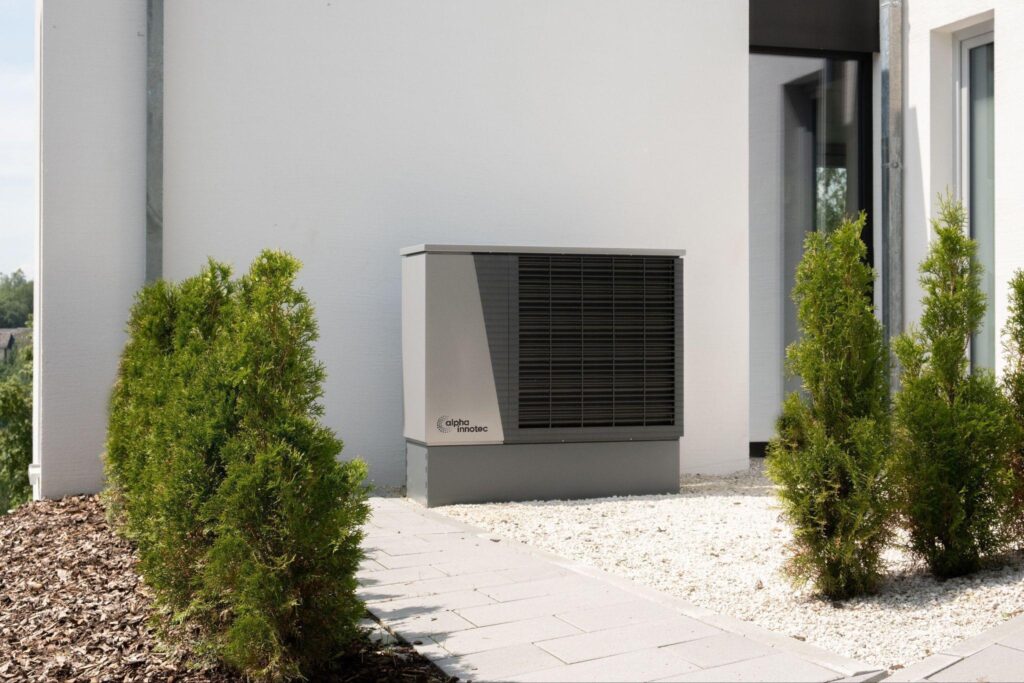
Having a heat pump pre-installation checklist is handy. It helps you understand the important factors that affect installation quality. You should always work with a qualified contractor for any HVAC work. They can recommend the appropriate model based on your needs and property conditions.