
Table of Contents
ToggleA steel building can start as a blank shell—four walls, a roof, and a slab. What you do with that shell determines whether it becomes a basic storage space or a place people actually want to live in.
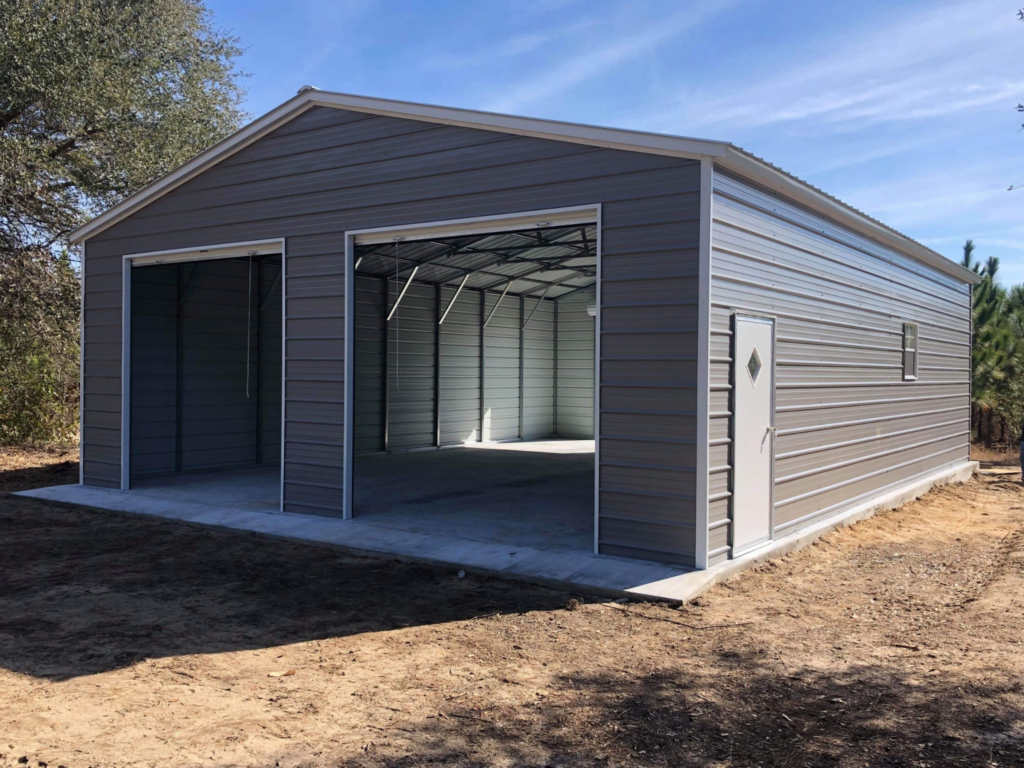
More homeowners are converting steel structures into multi-use living spaces: part home, part workspace, part storage. The appeal is obvious. You get flexibility, durability, and room to adapt without being locked into a traditional floor plan. Providers like US Patriot Steel supply the structural base, but the real value comes from how the interior is planned and built out.
Done right, a steel building can function as a comfortable home without losing the practicality that made you choose it in the first place.
Start With How the Space Will Actually Be Used
The biggest mistake in these projects is designing the space as a house first and figuring out the “multi-use” part later.
Flip that approach.
- List the real uses upfront:
- Living space
- Garage or workshop
- Storage units for seasonal items, equipment, or overflow belongings
- Office or business use
Then decide how those areas interact. For example, a workshop next to a bedroom without proper separation will create noise problems. A garage that shares air with the living space can bring in fumes and dust.
A multi-use layout works when each function has its own zone and doesn’t interfere with the others.
Separate Living and Utility Areas Properly
Steel buildings make it easy to create large open spaces, but that doesn’t mean everything should stay open.
Living areas need insulation, sound control, and air separation from utility zones like garages or workshops. This usually means:
- Insulated interior walls
- Sealed doors between zones
- Dedicated ventilation for work areas
Without this separation, comfort drops fast. Noise carries, temperatures fluctuate, and the space never feels like a true living environment.
Think of it as two systems under one roof: a home and a utility space, each designed for its purpose.
Get Insulation Right From the Beginning
Steel buildings behave differently than wood structures. Without proper insulation, they can feel too hot in summer and too cold in winter.
Spray foam is often the go-to solution because it seals gaps and controls moisture at the same time. Combined with insulated panels or additional layers, it creates a stable indoor environment.
Skipping insulation early leads to higher energy bills and uncomfortable living conditions. Fixing it later is always more expensive.
Plan Plumbing and Electrical Before Build-Out
Multi-use spaces require more complex systems than standard garages.
You may need:
Kitchen and bathroom plumbing
Separate electrical circuits for tools and appliances
Heating and cooling systems for different zones
Trying to retrofit these systems after walls are finished leads to extra work and higher costs. Planning them during the early stages keeps everything cleaner and more efficient.
It also allows you to future-proof the building—adding capacity for things like EV chargers, additional appliances, or expanded workspace.
Use Vertical Space to Keep the Layout Open
One advantage of steel buildings is height. Instead of spreading everything across the floor, use vertical space to your advantage.
Lofts, mezzanines, and overhead storage can:
Separate living and work areas
Create additional sleeping or office space
Keep the main floor open and functional
This is especially useful in smaller footprints, where floor space is limited but ceiling height is available.
Lighting Changes How the Space Feels
A steel structure can feel industrial if lighting isn’t handled correctly.
Living areas benefit from:
Natural light (windows, glass doors)
Warm interior lighting
- Work areas need:
Bright, even task lighting
Balancing both makes the space feel intentional instead of improvised. It also improves usability—whether you’re cooking, working, or repairing equipment.
Think About Daily Flow, Not Just Design
On paper, a multi-use layout can look great. In practice, small details matter more.
Ask yourself:
How do you move from the garage to the living area?
Where do shoes, tools, or equipment go?
Does noise travel between zones?
Good flow means you don’t think about the layout—it just works. Poor flow shows up every day in small frustrations.
Conclusion
Turning a steel building into a multi-use living space is not about making it look like a house—it’s about making it function like one while keeping the flexibility of a utility structure.
The difference comes down to planning: separating spaces correctly, handling insulation and systems early, and designing around real use instead of assumptions.
When done right, the result is a space that works on multiple levels—comfortable to live in, practical to use, and flexible enough to evolve over time.