
Quick Answer
Wasp nests in Calgary are most dangerous from August through September, when colonies reach full size, and workers grow aggressive while scavenging for sugar. A nest that looked harmless in June can hold thousands of wasps by late summer. The safest path is removing a nest early in spring, or calling a licensed professional once the colony has grown, especially if anyone nearby reacts badly to stings.
Introduction
Picture a quiet backyard barbecue in August. The burgers are sizzling, the drinks are cold, and then the wasps show up. Dozens of them, circling the table and refusing to leave. Something that felt like a small nuisance in early summer has become a real problem almost overnight.
It happens to Calgary families every year. A little nest tucked under an eave in June grows quietly through the warm months until it turns into a stinging hazard right when everyone wants to be outside. If you’re weighing your options for wasp nest removal in Calgary, timing and safety matter more than most people expect.
Knowing how these colonies grow, and when they cross from annoying to dangerous, lets you act before anyone gets hurt. The pattern is steady year to year once you know the signs.
How the Wasp Season Builds in Calgary
Wasp colonies follow a strict yearly rhythm shaped by Calgary’s short, intense summers. Every nest you spot was built that same year, since these insects never reuse an old one. A single queen wakes from hibernation in spring and grows a colony that can reach thousands of workers before the first frost. Where you sit in that cycle tells you how much risk you’re facing.
Spring: A Lone Queen and a Small Nest
Overwintered queens stir once daytime temperatures hold steady near 15°C. Each one starts a nest about the size of a golf ball and lays her first eggs. At this point, she is often working alone or with only a few young workers beside her. This is the cheapest, simplest time to clear a colony. Few insects defend it, and the nest is small enough to handle without much trouble.
Summer: Fast Colony Growth
Worker numbers climb quickly through July. Yellowjacket colonies can double every two to three weeks, and the nest grows right along with them. Most people first notice a wasp infestation in Calgary during this stretch, with insects drifting around garbage bins, deck railings, and patio tables. The colony is now big enough that bumping it brings a defensive response, which makes removal harder than it would have been a few weeks back.
Late Summer to Fall: Peak Sting Risk
August and September carry the greatest danger of the year. Three forces collide at the same time:
- Colonies hit maximum size, sometimes holding thousands of workers in one nest.
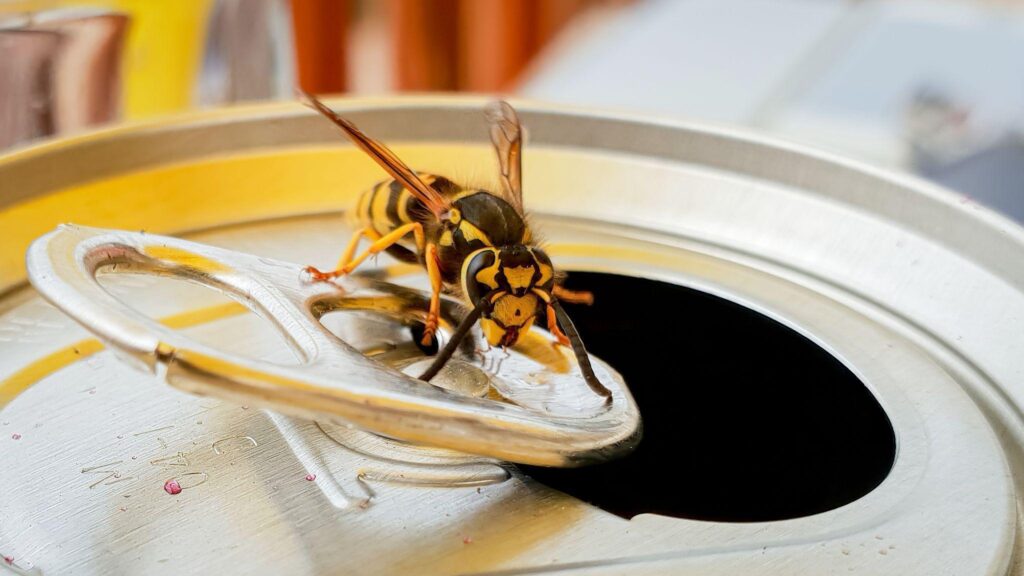
- Food sources change, pushing wasps from hunting protein toward sweets like soda, fruit, and juice.
- Aggression climbs as the hungry colony defends its turf.
That mix is why a hornet nest in your yard feels far more threatening in late summer than it did in June. The insects are more numerous, quicker to defend, and far more likely to sting with little or no warning.
Winter: How the Colony Dies Off
Calgary’s cold finishes the job for you. After a few nights below roughly -5°C, the workers inside a nest die completely. Any nest still hanging from a past year is empty and harmless. New queens leave in the fall to overwinter in sheltered spots, ready to start the whole cycle again come spring.
|
Season |
Colony Size |
Risk Level |
|
Spring |
Golf-ball nest, queen alone |
Low |
|
Early–Mid Summer |
Growing fast, dozens of workers |
Moderate |
|
Late Summer–Fall |
Thousands of workers, peak aggression |
High |
|
Winter |
Colony dead after hard frost |
None |
The size and mood of a colony shape every choice that follows, starting with whether the job is safe to handle yourself or better left to a trained hand.
Safe Wasp Control: When to Handle It and When to Step Back
Some wasp problems are manageable on your own. Plenty are not. The decision comes down to nest size, location, and whether anyone nearby reacts badly to stings. Getting that call right is what keeps a small job from ending with a trip to the emergency room.
Signs a Small Nest Is Safe to Tackle
A careful homeowner can sometimes deal with a minor case alone. Reasonable conditions include:
- The nest is smaller than a golf ball and is caught early in spring.
- It’s an open paper-wasp nest where the cells are visible.
- It sits in an easy-to-reach, open spot, not inside a wall, soffit, or underground.
- No one in the household has a known sting allergy.
If you go ahead, wait until dusk or dawn, when most workers are inside and least active. Wear long sleeves, pants tucked into socks, gloves, and eye protection. Light clothing draws less of a reaction than dark fabric.
When to Call a Wasp Exterminator in Calgary
Some nests carry too much risk to approach. Call a professional if the colony is bigger than a tennis ball, hidden in a wall void or soffit, or built underground. Yellowjackets and bald-faced hornets defend themselves hard and deserve expert handling. A good wasp exterminator in Calgary brings protective gear, the right insecticide, and the experience to clear a nest in one visit without setting off a swarm.
Common DIY Mistakes That Trigger a Swarm
Home attempts tend to backfire in familiar ways. Steer clear of these errors:
- Knocking the nest down without treating it sets off an immediate swarm.
- Sealing a wall-void entrance while the colony is alive drives wasps through the interior drywall and into your living space.
- Pouring water or lighting a fire only angers the colony, and on a dry Calgary day, a flame becomes its own hazard.
For underground colonies, professional yellow jacket removal in Calgary usually depends on insecticide dust injected straight into the entrance, since spray alone rarely reaches these nests safely.
Why Sting Allergies Raise the Stakes
Wasps sting again and again, and one sting can be life-threatening for someone with an anaphylactic response. If anyone in your home has a venom allergy, skip the DIY route. No amount of money saved is worth the risk when someone’s breathing could be on the line.
Acting at the right moment, and knowing your own limits, makes the difference between a clean fix and a painful one.
Final Takeaways on Calgary Wasp Removal
Wasps run on a clear schedule, and that works in your favour. A colony that starts as a lone queen in spring becomes a crowded, defensive nest by August, so the smartest move is to act early while the nest is small and the insects are few. Waiting almost never helps. It just raises the danger.
Once a nest has grown large, settled into a hard-to-reach spot, or put someone with a sting allergy at risk, professional Calgary hornet nest removal is the safe and sensible choice. Trained technicians clear a colony in a single visit without the swarm risk that DIY attempts so often invite. Watch your eaves, decks, and garden through the warm months, deal with trouble early, and your yard stays enjoyable right up to the first hard frost.