
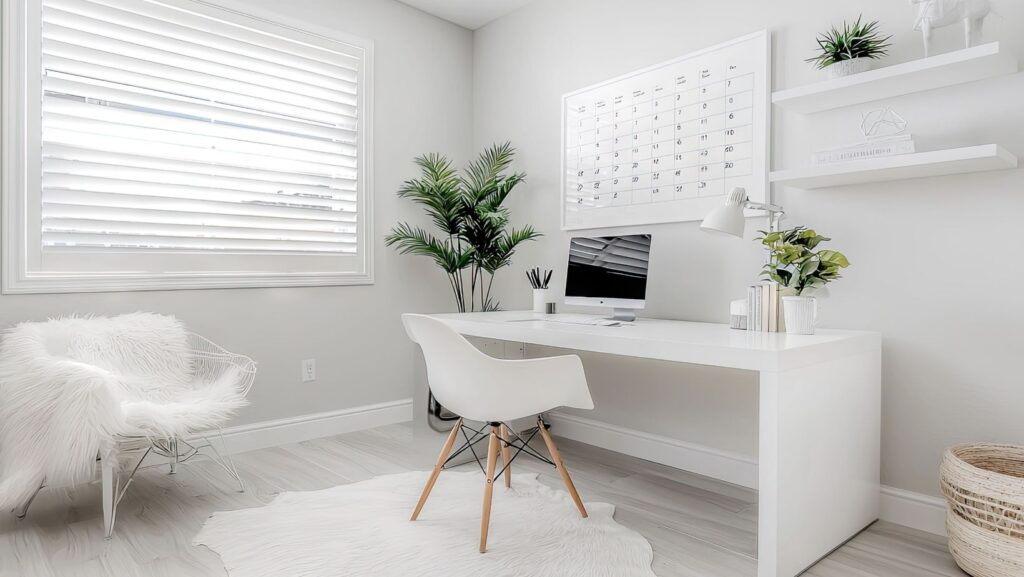
When you inspect a property for quality, you don’t get ‘wow’ed by something being of good quality. This isn’t because you don’t find good quality impressive. This is because you expect it to be this way.
It’s the norm.
Then comes design. What you also expect is something that looks good. It looks nice. Of course, it’s the ‘book and the cover’ conundrum. You choose the book based on the cover, but you, of course, also expect the content inside to be interesting, right?
But, in the real world, this is not what happens. Not always, anyway. What happens when that book just has a nice cover, but the inside? It’s bad to say the least. What happens when the interior of a house gives you that ‘wow’ factor when you see it, but then it starts slowly deteriorating and falling apart?
This is the way society works. We don’t like to say it out loud, but we like nice-looking things. And sellers know this. Contractors know this, too.
And it’s being used against us all the time. A quick, nice, bright color of paint. A nice finish on the door. A BEAUTIFUL statement piece spiral staircase in the middle of it all. But the quality? The exact opposite of what you’d expect.
What happens then?
Let’s find out.
Why Do Aesthetics Dominate Design
Some (not all) designers make decisions based on aesthetics. The focus is on what’s attention-grabbing, what’s nice to look at, what’s trendy, what’s photographable, etc. Those Pinterest-like scenes; if you get that, the design is going in the right direction.
Usually, those decisions are made unconsciously in a couple of seconds. The best way to present them and overlooked functionality is when people are choosing their apartments or houses through rendering.
Renders present spaces in their best light, and here you can easily be tricked by your own eyes. Just looking at empty space and comparing what’s more visually appealing is a trap in itself.
But what happens when you design all of that and fill it with furniture?
It’s already different. It still holds that aesthetic, however, when you start to actually use that space, its practical functionality starts to change. Those effects are seen later on through usage, when you have to adapt more than enjoy.
Consequently, this is where psychological effects take over, forcing aesthetics and function to collide sooner or later.
How Spaces are Actually Used Over Time
Being unaware of space at the beginning is one of the main causes of hidden costs that appear over time. The way you use it changes, and it’s important to have insight into how to arrange rooms and furniture in your home.
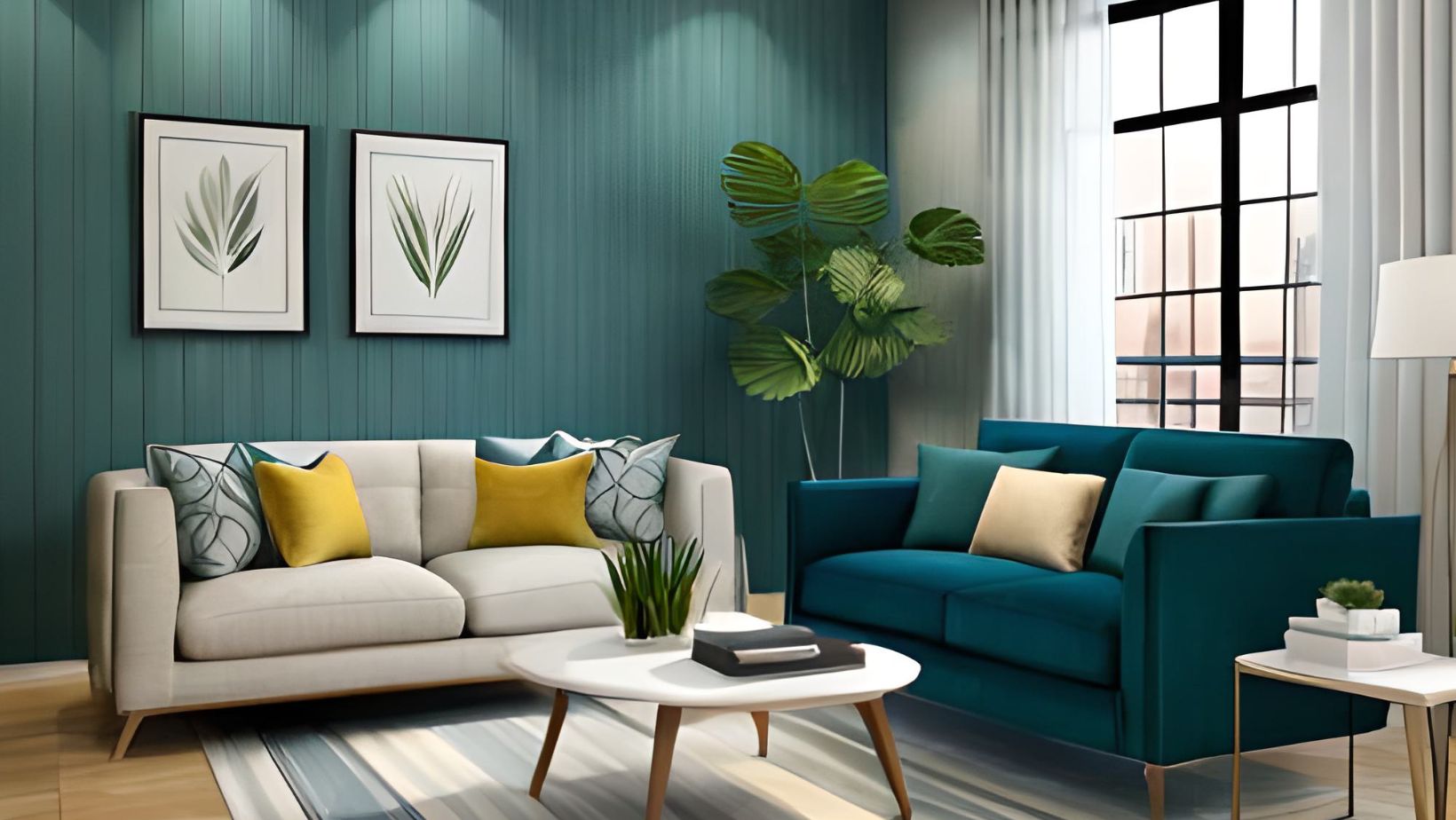
Spending more time in your new home, you’ll start to notice structural elements that are a bit weak or useless, and open spaces that only make it harder to adapt to.
Designed Intent vs Real Behavior
Parts of the home are projected in one way, and their usage is intended to be more occasional. Despite the original spatial planning, those layouts start to represent meeting places or have more usage.
For example, the rear porch was a place to rest in the afternoon, while it was made to be just a visual feature rather than a functional space.
Because of all the rapid changes that come with everyday life, the way you use your space will change; keeping an eye on the practical side is just as important as choosing interior design.
Stress On Overlooked Architectural Elements
Looking at your home as a whole system, it’s easy for small, important parts to go unnoticed, just like structural details hidden behind finishes and furniture. As you don’t pay attention to them, over time, things start to weaken, be overloaded, or rust.
Although everything seems to work, gradually certain issues arise – that’s when it’s time for a professional inspection or to do annual maintenance.
When Design Decisions Turn into Real-World Consequences
Choices made just for good interior design, as mentioned, don’t work in the long run. Those layouts are usually created for best-case scenarios and for fewer people using the space at the same time. This is where design decisions turn into real-world consequences.
With this in mind, what has started as a spatial detail, such as the rear porch intended to stay secondary, can end up being more used than expected. And the more something is used, the more it is tested. Just imagine yourself having to deal with a porch collapse injury lawyer simply because you had a couple of friends over at a party, and part of the porch had collapsed. And you then found out that it’s because the quality of the build was sub-par.
The entire focus was on how it looks, rather than on quality. And perhaps you even knew that, but you didn’t give it much thought – you saved a lot of money, it won’t be used that much, and it looks great. You were happy with the end result then. Not anymore.
Never assume you can skip on quality just because something won’t serve the function you initially thought it would.
Real life is unpredictable. Things may change over time.
You can’t ever get that book to be interesting if it wasn’t made to be interesting in the first place. Once you have it, you’re stuck with it. So better make sure that the book is interesting from the get-go, instead of crying over spoiled milk some time later down the road.
Dependable Design in Real-World Use
You can’t just go and build something strictly based on design and looks. Sure, you CAN. But you shouldn’t. Not unless you also think about real-world practicality, everyday use, things like that.
The main focus should be to look for practical use and for an interior that is easily adaptable. Not only does that lead you to cheaper renovations over time, but you also take accountability for your home and what you’re building/renovating.
The moving point is when you start being more invested in how to use what you have from the start, and doing regular check-ups as part of your responsibility, without the need for external solutions.
Conclusion
Importance lies in the pursuit of ergonomic and aesthetic design, as forms and functions should be integrated with details that you like.
Building a home that feels your own should start from the foundation instead of choosing final details, as the design value is seen through long-term use.
When longevity is considered as a valuable measure, that’s when design is well fitted with architectural quality.