

Most homeowners don’t ignore their furnace outright — they simply postpone small concerns. A clicking sound that fades away. A room that never feels quite warm enough. A heating bill that crept up but didn’t seem alarming. None of it feels urgent, so it gets pushed down the to-do list.
What many don’t realize is how quickly a small furnace repair delay can pivot into something much larger. Heating systems don’t remain in a holding pattern. They keep running while problems quietly deepen behind the scenes.
How Minor Furnace Issues Turn into Major Failures
Furnaces function like chain reactions — when one element struggles, the stress spreads. A dirty sensor causes erratic cycling. A worn belt strains the blower motor. Restricted airflow forces the heat exchanger to operate hotter than intended.
None of those issues alone requires full replacement. However, if they continue unchecked, they increase component fatigue until a critical failure occurs, which is frequently severe enough to completely jeopardize cost-effectiveness or safety.
Financial Consequences of Delayed Repairs
It’s natural to believe that waiting saves money. After all, not paying now feels easier than paying for the service immediately. Yet delays usually create higher costs later.
What starts as a simple component replacement can snowball into multiple system failures. Motors, control boards, or ignition parts begin failing together because they’ve been compensating for the same initial fault. At that stage, homeowners suddenly face the classic dilemma of furnace replacement vs repair, with mounting bills pushing replacement to seem like the only practical outcome.
Impact on Furnace Efficiency and System Wear
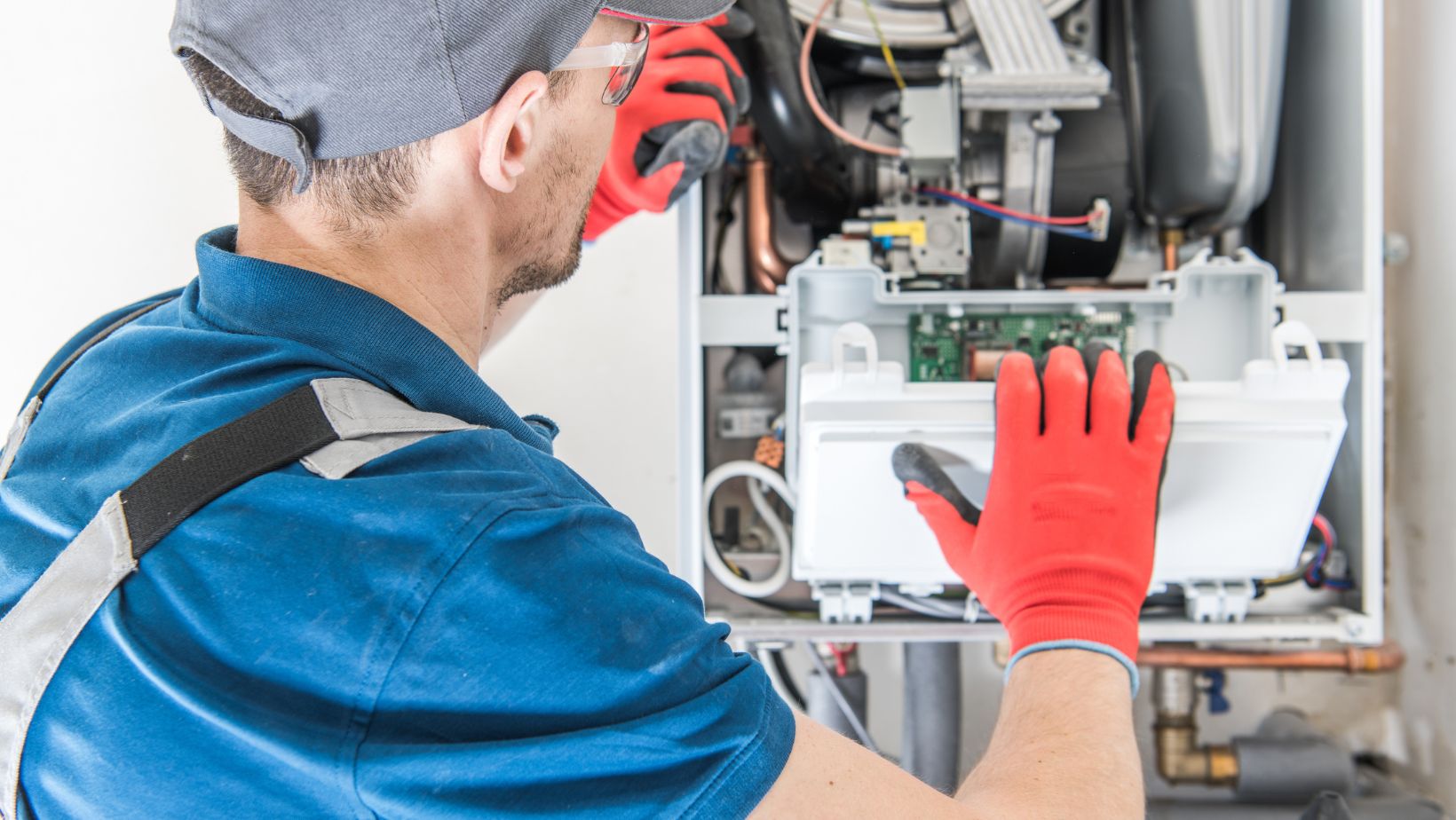
A furnace running with unresolved problems quickly loses efficiency. Burn cycles last longer than necessary. Airflow becomes weaker. Fuel combustion becomes less complete.
These inefficiencies increase utility costs while simultaneously wearing down mechanical parts faster than intended. Consistent furnace maintenance prevents this spiral by keeping components clean, balanced, and properly aligned — preserving operational design instead of allowing gradual deterioration.
Safety Risks That Force Premature Replacement
Some furnace issues cross the line from inconvenience to danger. Cracks in a heat exchanger threaten carbon monoxide leakage. Electrical defects create fire hazards. Blocked vent systems prevent proper exhaust discharge.
When inspectors identify these risks, they often recommend immediate replacement regardless of the furnace’s remaining life expectancy. Not because the unit can’t run, but because continuing to operate would be unsafe.
Loss of Manufacturer Warranty Coverage
Manufacturers require routine service documentation to honor warranties. Extended neglect or evidence of operating damaged equipment can trigger coverage denial.
Missed inspections, skipped cleanings, or prolonged malfunctions can void parts warranties, turning what should have been covered repairs into entirely out-of-pocket expenses. Once warranty protection disappears, repair costs escalate quickly.
Timing and Seasonal Effects
Furnace issues are the least forgiving during peak winter months. Extended daily run times give small failures no opportunity to stabilize. Some problems compound faster in cold conditions, forcing emergency shutdowns during the most inconvenient moments.
Emergency calls are more expensive, part availability may be limited, and scheduling delays leave homeowners without heat when they need it most — magnifying both expense and discomfort.
Preventive Maintenance as the Key to Avoid Replacement
Preventive care changes the outcome entirely. Regular inspections detect worn sensors, airflow restrictions, calibration errors, and developing component wear long before these problems escalate.
Prompt repair action, including professional furnace repair in Fremont, CA, when early symptoms appear, allows systems to remain healthy and extend their usable lifespan far beyond what neglected furnaces achieve. Scheduled servicing prevents the cycle of delayed fixes that quietly generate replacement-level failures.
Conclusion
Small furnace problems don’t remain small forever. Left alone, they rearrange internal stress patterns until repair is no longer a reasonable option.
Allowing a furnace repair delay transforms manageable maintenance issues into full system replacements over time. Ongoing care, especially consistent furnace maintenance supported by timely repairs, remains the most effective defense against early equipment failure and unnecessary replacement decisions.