
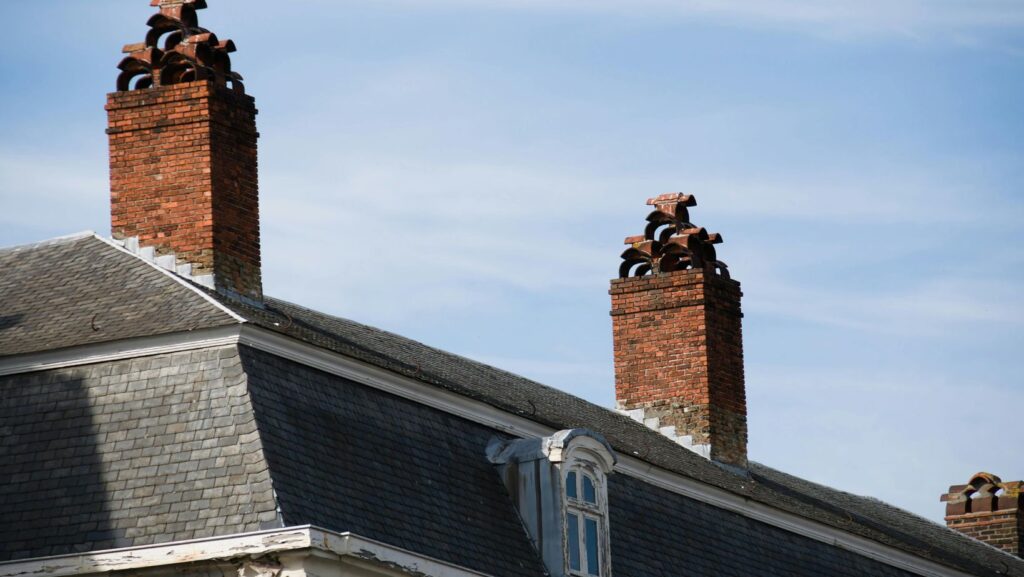
Leaky chimney flashing repair costs homeowners thousands of dollars in preventable damage each year. That small metal barrier where your chimney meets the roof might seem insignificant, but it serves as your home’s critical first line of defence against water intrusion. When this protective seal fails, water seeps silently into your attic, walls, and ceiling, causing extensive structural damage before most homeowners notice the problem.
Why Chimney Flashing Matters More Than You Think
Your roof’s most vulnerable point may be hiding in plain sight. The junction where your chimney penetrates the roofline creates a natural weak spot that requires special protection. This area demands proper sealing to prevent moisture intrusion that can silently damage your home for months or even years before becoming visible. Don’t let a small leak turn into a costly repair; Marks Roofing in Vancouver handles each situation with thorough attention.
Chimney flashing consists of metal pieces strategically installed to create a watertight seal where your chimney intersects with your roof. Proper chimney flashing is a system of overlapping metal barriers working together to direct water away from this vulnerable junction.
This protective barrier typically comprises several key components that work as a unit:
- Step flashing: L-shaped metal pieces installed in layers alongside each shingle where the chimney meets the roof
- Counter flashing: Metal that overlaps the step flashing and embeds into the chimney’s mortar joints, creating a tight seal
- Base flashing: Located at the chimney’s bottom edge where water naturally collects
Quality chimney flashing is typically manufactured from weather-resistant metals such as galvanized steel, copper, or aluminum. Each material offers different benefits–copper provides premium durability lasting 30–50 years, whereas aluminum and galvanized steel generally last 15–20 years with proper maintenance.
Why It’s Critical for Roof Integrity
The intersection where your chimney meets your roof is one of the most leak-prone areas on a roofing system. Without properly installed and maintained flashing, this junction becomes highly vulnerable to water penetration that can lead to serious consequences.
Chimney flashing serves as the first line of defence against moisture intrusion. Functioning flashing redirects rainwater and melting snow away from the chimney-roof junction, preventing it from seeping underneath your roofing materials.
The consequences of compromised flashing can be extensive. Water that penetrates this area can infiltrate your attic and ceiling spaces, causing wood rot, roof damage, and significant structural deterioration over time. Consistent moisture intrusion creates ideal conditions for mould and mildew growth, which poses both structural concerns and potential health hazards.
Beyond immediate water damage, failed flashing can lead to more insidious problems. As moisture repeatedly enters your roof structure, it can gradually weaken support beams, damage insulation, and even compromise electrical systems. In older homes, settling may shift the chimney, creating larger gaps for water entry.
Common Areas Where Flashing Is Installed
Professional chimney flashing involves several critical installation points, each requiring specific techniques to ensure waterproof integrity:
- At the base of the chimney: This area requires careful installation since it’s where water naturally collects as it runs down the roof surface. Proper base flashing extends both up the chimney face and along the roof to create a continuous barrier.
- Along the sides of the chimney: Step flashing interlaces with roofing materials. Each piece overlaps the one below it in a stepped pattern that directs water downward rather than underneath shingles.
- The top edge (uphill side): For chimneys wider than 30 inches, building codes often require a cricket or saddle–a peaked structure that diverts water around the chimney rather than allowing it to pool. This specialized component prevents water accumulation that could otherwise force its way under roofing materials.
- The chimney crown: Flashing extends through the brick wythe and turns up against the flue liner, preventing water from entering between the chimney wall and flue.
Recognizing the importance of each flashing component helps homeowners understand why proper installation and maintenance cannot be overlooked. Even small gaps or improper sealing can allow water to penetrate, turning a simple repair into a major renovation project.
Early Signs Your Chimney Flashing Is Failing
Catching flashing problems early can save thousands in repair costs. Many homeowners miss subtle warning signs until water has already caused damage. According to GSA guidelines on sheetmetal flashing, regular inspection should include checking for cracks, splits, corrosion, and evidence of previous repairs such as roofing cement on the flashing. Knowing what to look for gives you an advantage in protecting your home’s structural integrity.

Water stains near the chimney: Brown or yellow discolourations on ceilings or walls near the chimney often indicate leaks. Stains directly beneath the chimney on upper floors suggest water is penetrating at the chimney-roof junction, while stains on adjacent walls indicate water tracking along rafters or into wall cavities.
Pay attention to:
- Discolouration, peeling paint, or bubbling wallpaper
- Dark streaks or water stains visible below the chimney from outside
- Damp spots that appear or worsen during rainfall
Warped or missing shingles: Curling, warped, or missing shingles near the chimney edge frequently indicate that water is finding its way under roofing materials. Sagging roof sections may signal deteriorating roof decking. Ice dams along the chimney edge can also indicate heat loss and potential water entry points.
Musty smells or mould in the attic: Musty odours often appear before visible damage. Damp insulation, dark wood stains, visible mould, or shiny nail heads in the attic can reveal early flashing failures. Mould growth impacts indoor air quality and can trigger respiratory issues, so addressing these signs promptly protects your home and family.
Visible rust or cracks in flashing: Inspect metal components for rust, particularly where pieces connect. Cracked or deteriorating sealant creates entry points for water. Mortar joints where counter flashing embeds should also be checked, as cracks allow water to penetrate behind the flashing system. Small cracks can be patched temporarily, but widespread damage requires professional repair.
Top Causes of Chimney Flashing Leaks
Flashing can fail due to improper installation, weathering, aging, cracked masonry or mortar joints, roof movement, or condensation from gas appliances.
- Improper installation: Poor overlap, loose or misaligned flashing, or insufficient sealant creates vulnerable points.
- Weather damage and aging: Exposure to rain, wind, snow, or UV radiation corrodes, cracks, or warps flashing over time.
- Cracked masonry or mortar joints: Thermal expansion, settling, or defective footings stress flashing and masonry, causing leaks.
- Condensation from gas appliances: Water vapour can corrode flashing and masonry from the inside, causing leaks even during dry weather.
Understanding these causes helps homeowners address flashing problems at their source and avoid repeated, ineffective repairs.
How to Fix Chimney Flashing Issues
When water starts seeping around your chimney, there are two main repair options: temporary fixes with sealant or complete flashing replacement.
Temporary DIY fixes with sealant: For minor leaks, specialized flashing sealants form a flexible, waterproof membrane. Clean the area, remove debris, and apply sealant to cracks and gaps. Roofing tar alone is not permanent; two-part systems combining fabric and elastomeric sealant create a more durable barrier.
Replacing step and counter flashing: For deteriorated or improperly installed flashing, complete replacement is necessary. Remove old flashing carefully, clean the area, and install new base, step, and counter flashing, sealing all seams with quality sealant. Different metals should not be mixed to avoid galvanic corrosion.
Conclusion
Chimney flashing is a small but crucial component of your roof’s defence. Ignoring leaks can quickly lead to costly water damage, mould, and structural issues. Regular inspections and timely repairs protect both your home and your family, making early attention far easier and cheaper than dealing with major damage later.