
Have you been thinking about remodeling your bathroom lately? Well, if the answer is yes, then I have no doubt that you already have plenty ideas on your mind. Perhaps you’ve been talking to the people around you and hearing their thoughts on what you should do, or perhaps you’ve been browsing Pinterest or other great websites that can provide you with some amazing ideas. But then, you could have been dreaming of certain upgrades for a while now, and you are ready to finally make those dreams come true.
Here are some ideas that may come in handy: https://www.bhg.com/bathroom-remodeling-ideas-5652539
In any case, here is the thing. While you may know about some of the things that you want to include into the remodeling project, you may not be quite sure about others. And then, you may not be entirely sure about what it is that should make it on your list of priorities, in case you have to give up on certain ideas and keep the others. And, to be perfectly honest, we all do when doing any kind of remodeling, because our ideas are often bigger than our budgets, or the time we have on our hands to get the work done.
But then, it could also be that you may not be entirely sure about what kinds of upgrades you should even make. In other words, you may not really have that many ideas just yet, and you are now looking for them. And, that is completely legitimate as well, because we don’t spend all of our days thinking about the types of improvements we could make to our bathrooms. So, when we decide that it is time for a remodel, we may want to get ourselves familiar with the new trends, and with some essential improvements that we should actually make.
Whatever your case is, you have come to the right place. This is because below we will talk a bit more about some bathroom design upgrades that you should absolutely include in your bathroom remodeling project. This should give you some ideas on what to actually do, and what kinds of dreams to turn into reality, all with the aim of making this space not only more beautiful, but also more functional. Because, functionality and beauty should always go together when we are talking of bathrooms, since that combination is what will ultimately lead to you, well, making the most out of the space and enjoying it immensely. Without any more ado, thus, let us start checking out the upgrades you should make.
A Vanity With Smart Storage Solutions
When rethinking your bathroom, you should undeniably rethink storage as well. Storage is one of those things that you absolutely want to take into consideration when deciding on the perfect bathroom design for yourself, because it will, as you may have guessed it, have an amazing impact on the overall functionality. During a remodel, temporary storage can also help keep furniture, personal belongings, and supplies out of the way while work is underway. Thanks to some modern solutions, storage can also have a great impact on the overall aesthetic appeal, thus helping you meet both goals at once – functionality and beauty.
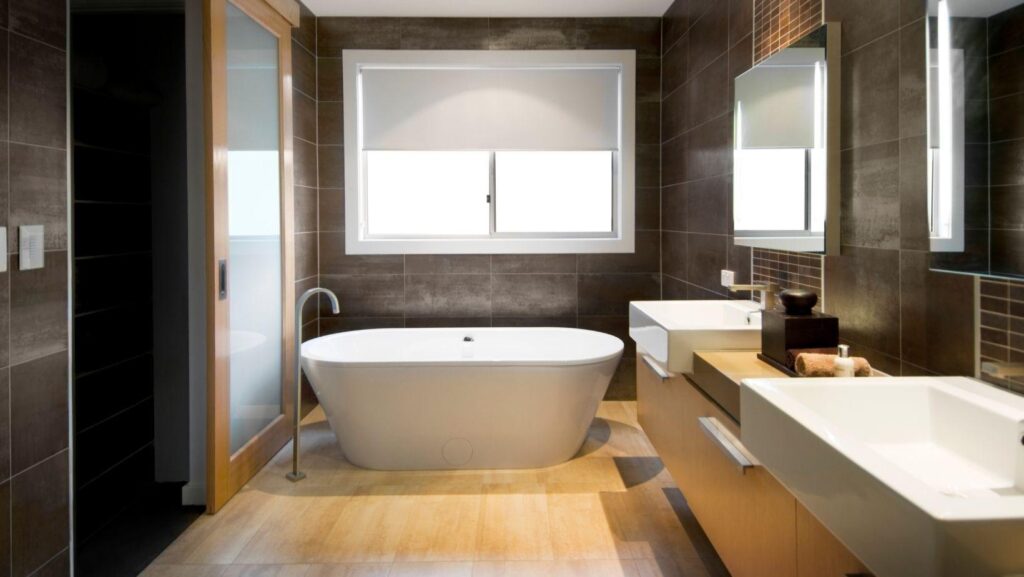
So, to cut right to the chase, a new vanity with some smart storage solutions can absolutely improve organization and elevate the overall appearance of the space. And, modern vanities are designed with both of those things in mind. So, instead of the basic and, frankly, outdated, cabinets, you could go for options that include built-in organizers, deep drawers, soft-close hinges, as well as, of course, double-sink configurations for shared bathrooms. Choose the style of the vanity yourself, while remembering that floating ones tend to be highly popular today, but also ensuring that it matches your overall style and design.
Improved Lighting
Since you’re doing remodeling, it is time to finally improve the lighting in your bathroom, in case you haven’t been quite happy with it. And, even if it has been fairly functional, the truth is that it can probably be even better. This means that lighting should be your next essential upgrade, and you should try to incorporate a layered lighting plan.
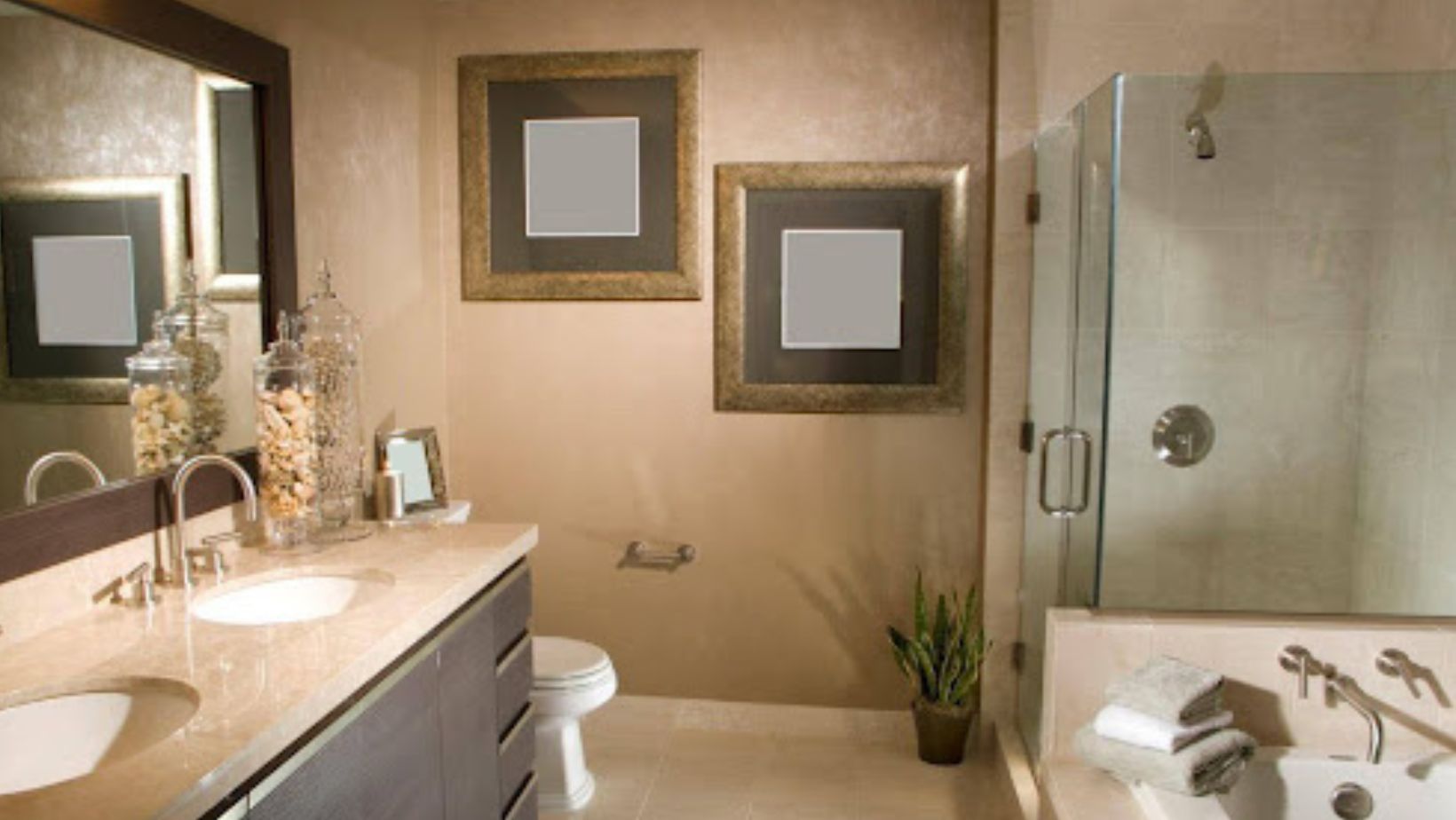
A good and effective solution often includes ambient lighting for overall illumination, as well as task lighting around mirrors. But then, to further elevate the overall design, you should think about accent lighting to highlight some features. All of this is sure to help you create a space that you’re proud of, that oozes warmth and sophistication, and that you enjoy to the fullest. Learn more about the entire process of redoing your bathroom.
Stylish and Durable Flooring
The flooring has to match the rest of the room, doesn’t it? So, imagine making some modern improvements to the vanity, the lighting and other components, while still not being happy with the flooring, and keeping it the same way. It may look awkward, and chances are that you won’t be quite happy with that.
This is why you should definitely invest in some new, stylish and modern flooring. But, you also want the flooring to be durable, because you really don’t like the idea of having to change it rather soon in the future. So, think both durability and style when changing the flooring and go for options such as porcelain or ceramic tiles, luxury vinyl tiles, or even natural stone.
Fixtures With Water Efficient Features
Fixtures are probably on your list of things that you absolutely want to upgrade. And, since you’re doing it, you should definitely go for some water efficient features. Low-flow toilets, faucets and showerheads that reduce water waste without compromising performance… Solutions like those will look amazing, while also reflecting on your water bill, of course, lowering it.
A Walk-in Shower
Finally, you should think about investing in a walk-in shower. This is one of the most popular and the most impactful bathroom upgrades nowadays. It improves accessibility and safety, makes cleaning and maintenance easier, while also providing for a more spacious and more luxurious appearance. So, design a walk-in shower for greater functionality and greater beauty.