
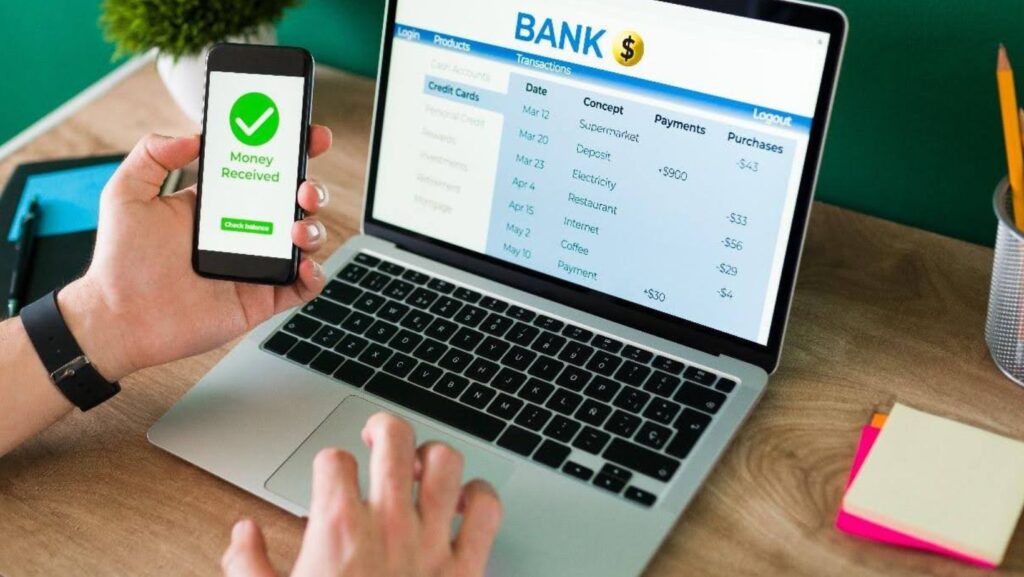
After chasing down those renters who’d leave paper checks at the door, you don’t have to carry them around anymore. The modern method for collecting rent has taken a major step forward in how we collect it, and one of the fastest being bank transfers. For both landlords and tenants, this change has brought about a host of benefits that are unmatched: it’s simpler, more secure, and more efficient. But all that isn’t enough to make it work for you: to truly leverage the potential of this system, protect your investment, and streamline your workflow, there are some additional considerations that you must be aware of. In this post, you’ll learn everything you need to know about rent banking for landlords from the basics (the big benefits) to the techniques that distinguish good, honest landlords from big guys.
The Unmatched Benefits
Rather than the old-fashioned way, you can transform your rent collection by moving from hand- bank transfer rent payment to electronic payments. What’s more, it saves you both time and money. You no longer have to set up frequent property visits, go to the bank, or deal with lost checks. You pick them up in your account often on a predictable schedule. Fourth and final bonus: Ease of Receipt Processing When tenants set up automatic payments of rent, rent arrives “like clockwork” on the due date. This massively improves your cash flow predictability and reduces the burden of untangling who has paid who. Digitization also creates an accurate audit trail for all of your transactions. Everything from security deposit payments and rent collected by bank transfers, all through those electronic transaction IDs, will arrive in the mail in seconds. The date and time stamp indicates when you received the payment. And you no longer have to contend with “he said she said” when it comes to whether the payment was made or when it was sent. For accounting, it’s also very useful. Reconciliation at the end of the year is much simpler. And you’ll make it look like an efficient and professional business an attribute that will be appreciated by your stable tenants.
Setting Up the System for Success
Before you can collect a single dollar in a bank transfer, you need to make sure you have a solid infrastructure. First things first: choose an account. Although you may think your primary personal checking account is the easiest (and safest), this is not the case. The best practice is to open a separate business checking account that you only use for rental purposes. This will allow you to keep your books clean, allow you to keep track of income and expenses with ease and provide a layer of legal protection between your personal financial affairs and the business financial affairs. Once you have your account setup, you will have to decide how you want to share the information with your tenants.
Leveraging Property Management Platforms like
While bank to bank transfers are obviously an enormous improvement to your digital collection experience, there’s a place for special property management-specific options to try and push the boundaries of what’s possible. Services like Baselane cater for landlords and provide a central point of access for all financial transactions. While you aren’t giving your personal bank details out, you invite tenants through the platform and allow them to connect their own bank account, in order to plan one-off payments (or better yet, automatic ones). The benefits of this option are considerable: it automates the whole collection process; sends reminders of payment to your tenants; lets you know the moment a payment is completed and when the money is released in the bank; granting an enhanced sense of security (bank transfer/rent payment) for both parties.
Navigating the Inevitable: Handling Late and Failed Payments
Even the most trustworthy tenants and automation do come with some errors. There are some exceptions. And a proactive landlord has a policy for any situation in which a pay-later or payment fails. Your lease agreement should clearly outline the consequences of any late payments (including early fees, if there is a grace period). When a rent payment is late, there is also your digital trail. You can see exactly when the tenant made the payment.

Why are NSF payments sometimes impossible to reconcile? Not all NSFs are easy to reconcile. Many banks and platforms charge an NSF fee. If you are letting your tenant manage your account, it needs to be specified in your lease whether you are liable for your bank’s return payment fee as well as any late fees. How do I handle a failed security bank transfer (rent payment). Contact your tenant and let them know what happened as soon as possible. If the issue is resolved professionally, and they feel heard and understood, the problem usually never escalates to dispute and legal action. The desire is for payment to come in so you don’t escalate the situation into a feud.
The Critical Importance of Record Keeping and Documentation
The paper trail you have created by having each tenant pay you with their bank account is only useful if you’re organized. Keep a folder dedicated to every property/tenant with all of your financial records. Keep a copy of the lease, the terms of payment you gave them, and record of bank transfer rent payment. Most online banking systems have a PDF option where you can download monthly statements for each property and maintain these documents diligently. In this method of keeping records you’ll be the scapegoat for any dispute. If a tenant says they paid rent on the 28th but your bank records show the funds cleared on the 3rd of the following month – you have circumstantial proof that the money was paid. As far as tax reporting goes, this organized history makes it easy to accurately report your rental income and claim all of your eligible deductions. Baselane will do this for you largely, they automatically keep a searchable ledger of all transactions associated with that particular property.
Conclusion
If your landlord doesn’t already have a bank transfer system, this is definitely a best practice you need to start with. It’s one of the most crucial investments you will make when it comes time to collect rent. Advertisement Bank transfers are becoming a fast and cost-effective way to move forward in terms of efficiency, security and professionalism. As a landlord, you will probably spend some time setting up your bank account, but the pay-off is massive. Not only will you have been able to save yourself the time and stress of doing this, but you’ll also have the ability to have a steady source of pay whether that comes in the form of bank transfers or via a rent payment system like Baselane.