
Table of Contents
ToggleWhen homeowners think about wellness at home, their minds often go straight to home gyms, spa-inspired bathrooms, meditation spaces, or outdoor living areas. While these features certainly contribute to a healthier lifestyle, there is one room that often gets overlooked despite having the greatest impact on overall well-being: the bedroom.
The average person spends roughly one-third of their life sleeping, yet many homeowners invest significantly more time and money into remodeling kitchens, living rooms, and outdoor entertainment areas than they do creating an environment that supports quality rest. As awareness grows around the connection between sleep and health, the bedroom is beginning to earn the attention it deserves as one of the most important wellness spaces in the home.
Sleep Is the Foundation of Wellness
Nutrition and exercise are often viewed as the cornerstones of a healthy lifestyle, but sleep is equally important. Quality sleep affects nearly every aspect of physical and mental health, including energy levels, mood, cognitive function, immune system performance, and recovery from daily stress.
A well-designed bedroom can make it easier to fall asleep, stay asleep, and wake up feeling refreshed. Unfortunately, many bedrooms are designed primarily around aesthetics rather than comfort and functionality. While beautiful furniture and décor are appealing, they should support the room’s primary purpose: restorative rest.
Creating a Bedroom That Supports Better Sleep
Designing a wellness-focused bedroom does not necessarily require a complete renovation. Often, small improvements can make a significant difference.
Lighting is one of the first elements to consider. Bright overhead lights can interfere with the body’s natural sleep signals, especially during the evening hours. Layered lighting, dimmable fixtures, and warm-toned bulbs help create a calming atmosphere that encourages relaxation.
Temperature control is equally important. Most sleep experts recommend a cooler sleeping environment. Ceiling fans, breathable bedding materials, and proper insulation can help maintain comfortable sleeping temperatures throughout the year.
Noise reduction also plays a critical role. Soft furnishings, area rugs, blackout curtains, and weatherstripping can help minimize unwanted sounds that may disrupt sleep.
The Mattress Matters More Than Most People Realize
Many homeowners will replace appliances, televisions, or flooring long before considering a mattress upgrade. Yet the mattress is one of the most heavily used items in any home.
An aging or unsupportive mattress can contribute to discomfort, interrupted sleep, and morning aches. Modern sleep products offer a wide range of options designed to accommodate different sleeping styles, body types, and health needs.
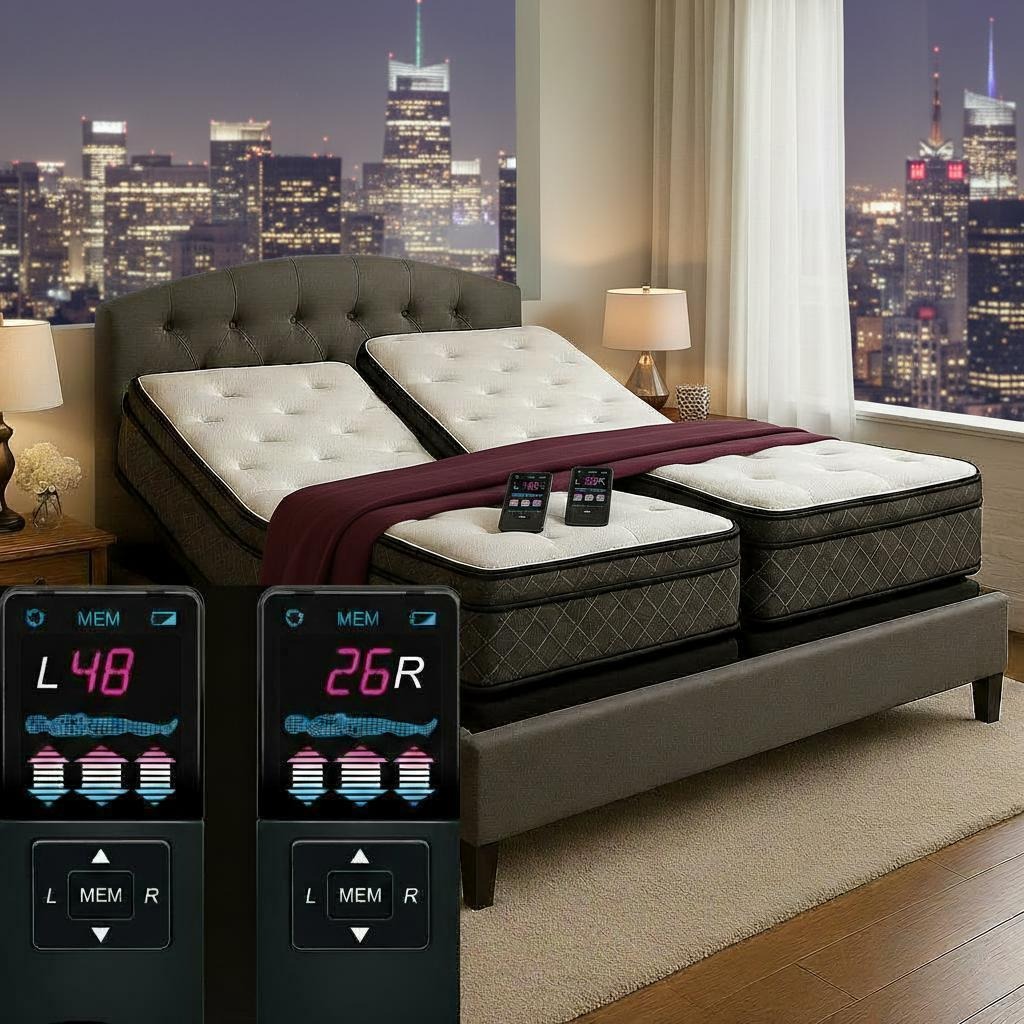
Today’s homeowners are increasingly exploring premium sleep solutions such as hybrid mattresses, pressure-relieving memory foam, and adjustable sleep systems that provide personalized comfort. For individuals dealing with back pain, acid reflux, snoring, or circulation concerns, many are discovering the benefits of modern adjustable bed systems that allow sleepers to customize their sleeping position throughout the night.
Wellness Design Goes Beyond Decoration
The wellness movement has shifted the way homeowners think about interior design. Instead of focusing solely on appearance, more people are asking how a space makes them feel.
Bedrooms that promote wellness often incorporate natural materials, calming color palettes, and clutter-free layouts. Soft earth tones, natural wood finishes, and breathable fabrics help create a relaxing environment that encourages rest and recovery.
Indoor plants can also contribute to a more peaceful atmosphere while adding visual warmth. Although plants alone will not transform sleep quality, they can help create a connection to nature that many homeowners find soothing.
The goal is not perfection. Rather, it is creating a space that feels comfortable, calming, and supportive of healthy daily routines.
The Rise of the Wellness Bedroom
In recent years, the concept of the “wellness bedroom” has gained momentum among designers and homeowners alike. This trend focuses on creating a sleep environment that actively supports physical and mental health.
Features commonly found in wellness-focused bedrooms include blackout window treatments, smart climate controls, sound management solutions, air purification systems, and high-quality sleep surfaces.
Some homeowners are even incorporating technology that tracks sleep patterns and adjusts room settings automatically. While these innovations can be helpful, the foundation of a wellness bedroom remains simple: comfort, relaxation, and consistent sleep habits.
Aging in Place Starts in the Bedroom
Another reason the bedroom deserves more attention is its role in long-term accessibility. As homeowners plan for the future, many are looking for ways to make their homes more comfortable and functional for years to come.
The bedroom is often the first place where accessibility improvements can make a meaningful impact. Features such as improved lighting, easier-to-reach storage, supportive mattresses, and adjustable sleeping surfaces can enhance comfort for people of all ages.
Many homeowners are recognizing that investing in quality sleep products today can provide benefits both now and later in life, making the bedroom one of the smartest places to prioritize wellness spending.
A Better Investment Than Many Home Upgrades
While kitchen remodels and backyard renovations often dominate home improvement budgets, investing in better sleep may provide a greater return in terms of everyday quality of life.
Unlike many upgrades that are only enjoyed occasionally, a comfortable and supportive bedroom is used every single night. The benefits extend beyond the room itself, influencing productivity, mood, relationships, and overall health.
Homeowners who focus on wellness design often discover that improving sleep is one of the most impactful changes they can make. Whether through better lighting, a calmer environment, or a thoughtfully selected mattress and sleep system, the bedroom has the power to improve daily life in ways few other rooms can match.
As wellness continues to shape modern home design, it may be time to give the bedroom the attention it deserves. After all, the most important room in the house might not be the kitchen or living room—it could be the room where you recharge for everything else.