

Moving into a newly purchased home marks a major turning point in life. It is exciting, overwhelming, and filled with expectations that range from practical to emotional. Whether this is your first home or your fifth, the transition always introduces fresh tasks, new routines, and plenty of surprises. Understanding what awaits you can help you approach the move with confidence instead of uncertainty. This guide lays out what buyers should realistically expect once they walk through the front door of their new home for the first time. It offers insight into typical challenges, common surprises, and helpful ways to prepare, ultimately helping you settle in with less stress.
Moving Into a Newly Purchased Home: Expect Some Immediate Cleaning
Even if the previous owners did a walkthrough clean or hired a professional service, you should expect to do some additional cleaning when you arrive. Dust settles during the listing and closing process. Moving furniture out exposes areas that have not been touched in years. Cabinets, drawers, vents, and lighting fixtures often need a refresh. A quick clean may not be enough, and many buyers find themselves doing a deeper wipe-down to feel fully comfortable.
Prepare for Small Repairs
Even well-maintained homes usually present small issues that become noticeable only once the space is empty. Loose doorknobs, squeaky hinges, minor wall scuffs, dripping faucets, and burned-out lightbulbs are common discoveries. These small repairs do not necessarily indicate neglect; they simply reflect the wear and tear of daily living. When moving into a newly purchased home, expect to address these issues within the first few weeks as you personalize and maintain the home.
Check That All Systems Work Properly
One of your earliest tasks after moving in should involve testing the major systems. These include heating and cooling equipment, water heaters, appliances, and electrical outlets. Even if everything passed inspection, systems can behave differently once the home has been vacant for a bit or after the power and water have been temporarily shut off. If something does not function the way you expect, take note immediately so you can troubleshoot or call a professional.
Take Time to Understand the Home’s Layout
Living in a home gives you a deeper understanding of its flow, which differs greatly from what you notice during showings. You may discover that lighting behaves differently depending on the time of day. Certain rooms may heat up faster than others. Storage areas might need creative solutions. Give yourself time to observe these patterns. The more you understand the home’s natural rhythm, the easier it becomes to make smart decisions about furniture placement, decor, and energy use.
Expect Delays When Unpacking
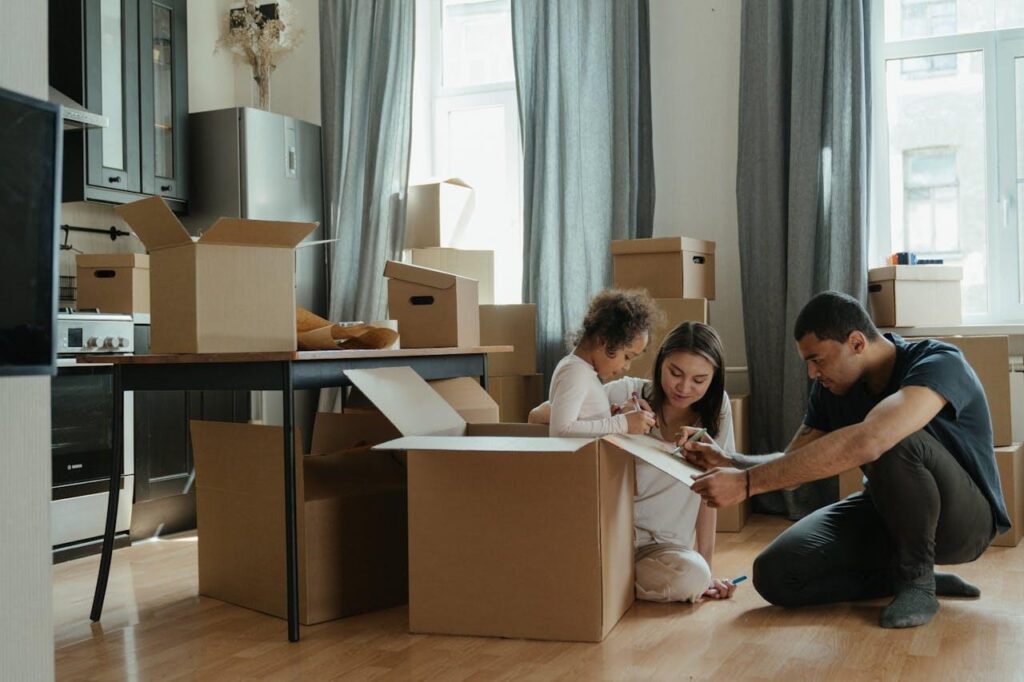
Unpacking takes longer than most buyers expect. Even when you feel well-organized, you will deal with dozens of boxes and countless decisions about where everything should go. That is especially true when relocating all the belongings from your previous home because packing takes time, and the unpacking process reflects that same level of effort. A slow, steady pace helps you avoid overwhelming yourself and keeps you from stuffing items into random places just to get boxes out of the way.
Know That Utilities May Need Adjustment
Your past home had its own utility behavior, but your new home may require adjustments to feel just as comfortable. You might notice different water pressure, temperature regulation, or energy consumption. Learning how the thermostat responds, how long it takes for hot water to reach different rooms, or when sunlight naturally warms the interior will help you create an environment that feels just right. Expect a short period of trial and error while you figure everything out.
Plan for Furniture Layout Challenges
Even if you measured everything, furniture sometimes fits differently than expected. Rooms may look larger when empty, but shrink once items are placed inside. You might realize a piece blocks a vent or interrupts the natural walkway. These challenges are normal and give you a chance to design the space in a way that feels comfortable and functional. Try experimenting with different layouts before committing to anything final.
Prepare for the Emotional Adjustment
Moving into a new home brings excitement, but it can also spark mixed emotions. You are leaving behind a familiar environment, routines, and memories, especially if you lived in your previous home for many years. Expect moments where the new space feels unfamiliar or even strange. However, this emotional adjustment is temporary and eases as you settle in, create new routines, and personalize the home with decor, photos, and meaningful items, according to research published by the American Psychological Association.
Get Comfortable With Neighborhood Changes
A new home also means a new community. The traffic patterns, noise levels, local shops, and general atmosphere will differ from what you are used to. You might hear sounds at night that you have never encountered before, or meet neighbors with different habits. Spend time walking around the neighborhood to get acquainted. The more familiar you become with the area, the faster it will feel like home.
Anticipate Costs You Did Not Plan For
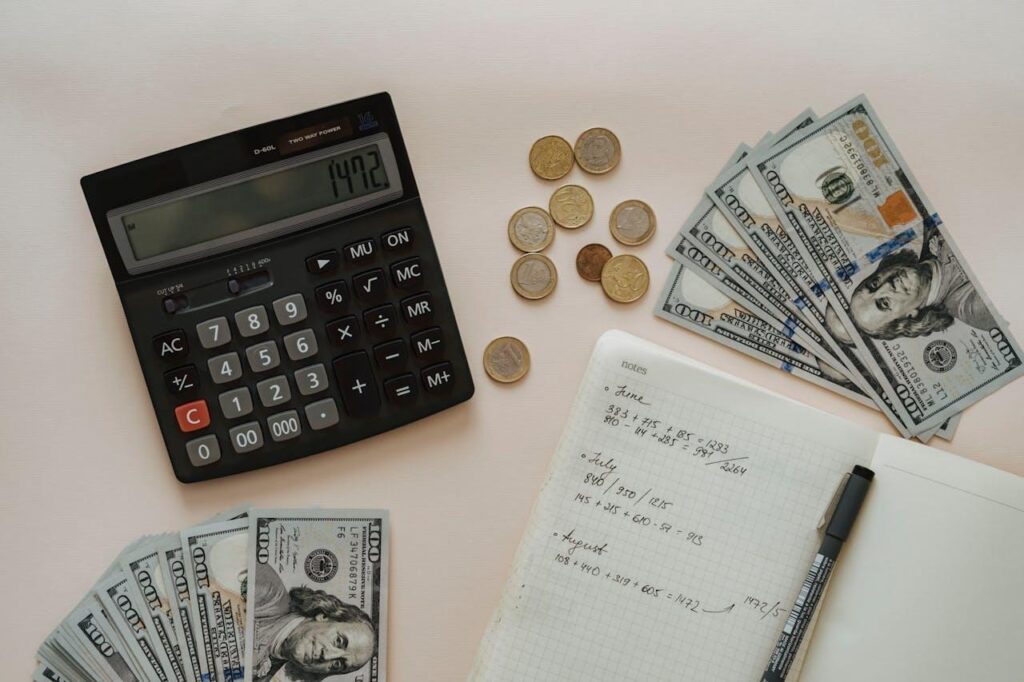
Even with careful budgeting, moving into a new home often reveals expenses that were not on your radar. These can include small repairs, updates, initial supplies, utility setup fees, landscaping care, or new furniture. These unexpected costs are normal and part of settling in. Having a financial cushion reduces stress and helps you address these needs without worry.
Be Ready to Personalize the Space
As you settle in, you will naturally start thinking about personal touches that make the home feel like it truly belongs to you. Fresh paint, cabinet hardware changes, light fixtures, window treatments, and decor choices help shape the environment to match your taste. Personalization does not have to be immediate; it can be gradual and enjoyable. Each project brings you closer to making the space feel uniquely yours.
Give Yourself Time to Settle
The first few weeks in a new home involve constant adjustments. You will be learning, adapting, discovering, fixing, and organizing. It takes time to find your rhythm and make the space fully comfortable. When things feel stressful or chaotic, remind yourself that settling in is a process, not a race. With each passing day, the home becomes more familiar and more reflective of your life.
Creating a Space That Fits Your Lifestyle
Moving into a newly purchased home may feel like a whirlwind of tasks, emotions, and unexpected moments. Yet each step brings you closer to creating a space that truly fits your lifestyle. Understanding what to expect helps you approach the process with patience and confidence, whether that means handling small repairs, getting used to new routines, or slowly unpacking at a pace that works for you. In time, the new home becomes a place of comfort, familiarity, and countless memories. By staying patient and embracing the transition, you can enjoy the journey and start this new chapter with a sense of ease and excitement.
Meta Description: Moving into a newly purchased home comes with surprises and adjustments. Learn what to expect so you can settle in smoothly from day one.
KW: Moving into a newly purchased home
Images used: