
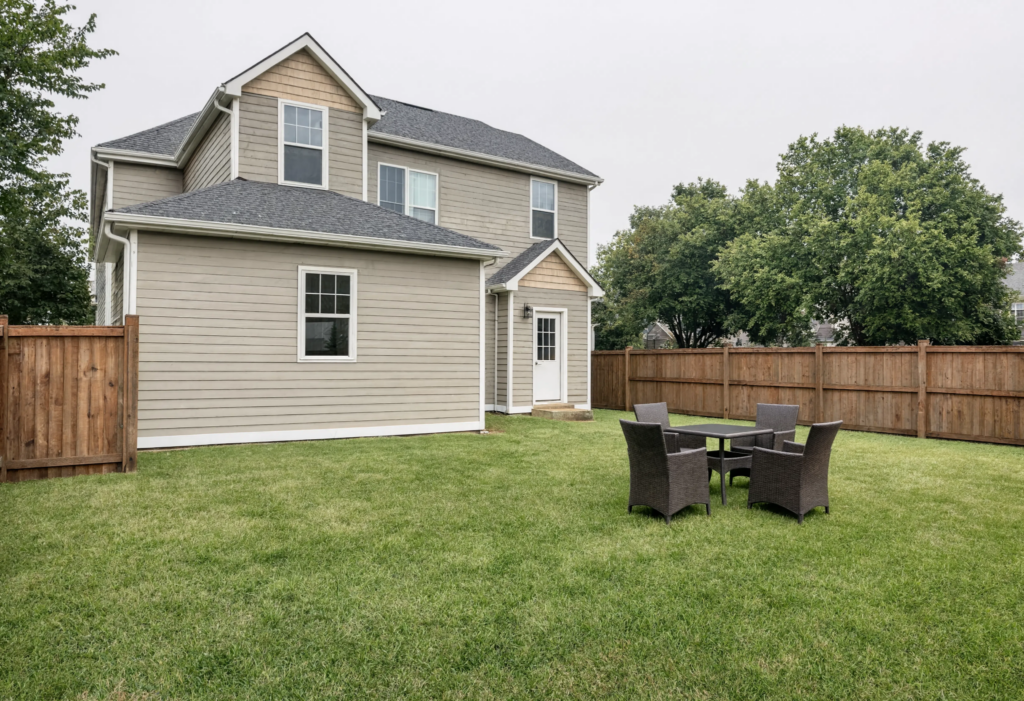
Backyard areas may be neat but still feel incomplete. The grass is mowed, the house looks good, there may even be room for a barbecue grill, but nobody uses the area. Furniture sinks into the ground when it rains. The table is too far away from the kitchen. It just feels like leftover outdoor space.
That is usually when a new deck starts to make sense. Not always a dream deck from a saved photo. Sometimes just a simple surface where people can sit, eat, walk barefoot, and use the backyard without dragging furniture through wet grass.
Then comes the real question: composite vs wood decking. It sounds like a material choice. Actually, it is more about maintenance, cost, comfort, and how much work homeowners want later.
Start With How Your New Deck Will Be Used
The right decking material depends on the way the deck will live. A small platform for two chairs does not take the same abuse as a family deck with pets, planters, guests, and heavy foot traffic.
Shade matters too. A deck under trees may deal with moisture, leaves, and moss. A deck in direct sunlight needs stronger UV protection, boards that resist fading, and a surface that will not feel unbearable under bare feet. Because sun exposure can make dark composite boards get incredibly hot in summer, therefore color is not just a design choice.
This is where most decks need honest planning before choosing materials. A pretty sample board does not tell the whole story.
Why Wood Decking Still Appeals to Homeowners
Real wood decks have an aesthetic that many other materials attempt to imitate. Wood makes you feel warmer. Wood comes with grain, texture, and subtle variations that give your deck a soft feeling. Western red cedar will give you a traditional Northwest style. Ipe wood is heavy duty but high maintenance. The most popular woods are pressure-treated wood, pressure-treated pine, and treated wood.
Even when compared to alternative wood products, traditional timber holds a unique charm. That lower cost is the big reason many homeowners still choose wood. Wood decking can range widely in price, depending on the species and quality, but pressure treated lumber is often one of the more affordable options.
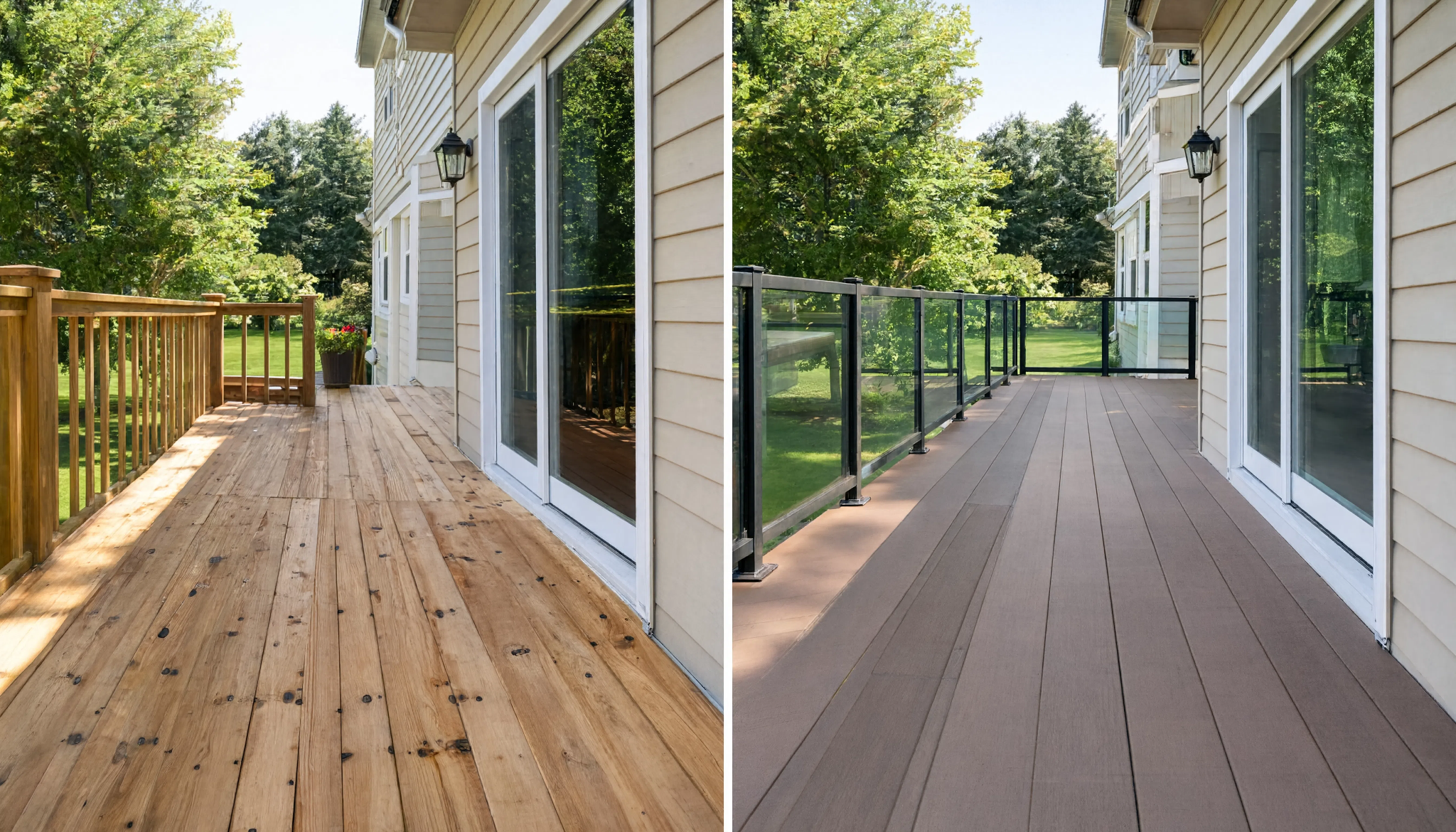
The tradeoff is the ongoing maintenance required. A wooden deck may need cleaning, sanding, stain, sealing, and repairs every 1 to 3 years. Skip that for too long and wood can fade, splinter, warp, rot, or show insect damage. So yes, wood can be beautiful. But it does ask for regular maintenance.
Why Low Maintenance Composite Decking Keeps Winning Attention
Composite decking is popular because it removes a lot of weekend work. Most composite decking does not need yearly maintenance with stain and sealant. Occasional cleaning with soap and water is usually enough, which makes it appealing for anyone who wants a low maintenance deck.
The composition of composite boards comprises wood fibers, plastic, and sometimes even recycled material. Several composite decking brands have a high degree of recycled content as part of an effort to reduce deforestation. Manufacturers produce decking using recycled materials rather than relying heavily on wood. Opting for such brands will not only allow you to save energy but also lessen the carbon footprint of your house remodeling project. The composite decking is also more resistant to rotting and splintering compared to wood, preserving its structural integrity for decades, and comes with a warranty of 25+ years.
The look has improved a lot. Older plastic decking could look flat. Newer decking lines offer better grain patterns, more colors, and softer finishes. PVC decking is another option for homeowners who want strong moisture resistance. For some projects, PVC or composite decking makes more sense than natural wood because the deck needs minimal maintenance, requiring only a minimal upkeep routine rather than constant attention.
Still, composite is not maintenance free. While it requires a higher upfront investment – typically ranging between $4.60 and $13.60 per square foot – the long term cost savings quickly become apparent through less maintenance, fewer frequent repairs, and no routine re-staining. Over time, these cumulative advantages equal significant long term savings across the entire lifespan of the deck.
Cost Is Not Only the First Price When Choosing the Best Decking Material
Wood vs composite comparisons often focus on the first invoice. That is understandable, but looking solely at that initial cost is not enough.
Wood could actually be less expensive initially. Composites will generally be more expensive initially. However, the maintenance requirements of the product affect the cost, and that is when the potential for savings becomes apparent. Staining, sealing, sanding, replacing boards, and labor costs all go into the total. Those who might be curious about how much maintenance wood requires will find it to be significantly higher than composites. This will occur particularly in cases where the deck is exposed to moisture or heavy usage.
Wood decks require maintenance more often, while composite generally does not require maintenance beyond basic cleaning. That is the real value for busy homeowners. A low maintenance deck is not only about money. It is about not feeling like the backyard creates another job every spring as you plan your next deck.
Choosing the Right Deck Boards for a Natural Flow
A deck should not look dropped behind the house. It should connect seamlessly to the door, stairs, furniture, and backyard space. Achieving this balance is exactly why many homeowners hire a contractor focused on custom outdoor living projects to design the layout.
Before choosing the best decking materials, you still need to ask a few simple questions about daily life. Where does the sun hit? Will wet shoes make the surface feel slip resistant enough for daily use? Does the deck need to handle pets, guests, planters, and summer traffic? Which material type fits the house and your personal maintenance tolerance?
Once you have those answers, reaching out to nearby deck contractors who can plan the space around real use is the next logical step. Local professionals can look at your specific terrain, traffic flow, and deck material options together to build a safe, functional structure.
Wood should be considered when aesthetics take precedence over everything else and maintenance is feasible. Composite decks can be recommended when low maintenance, durability, and less repairs are important factors. However, any deck that is selected must make the house more convenient to live in and maintain, not the other way around.